

Samsung posts worst profit since 2009 after chip downturn
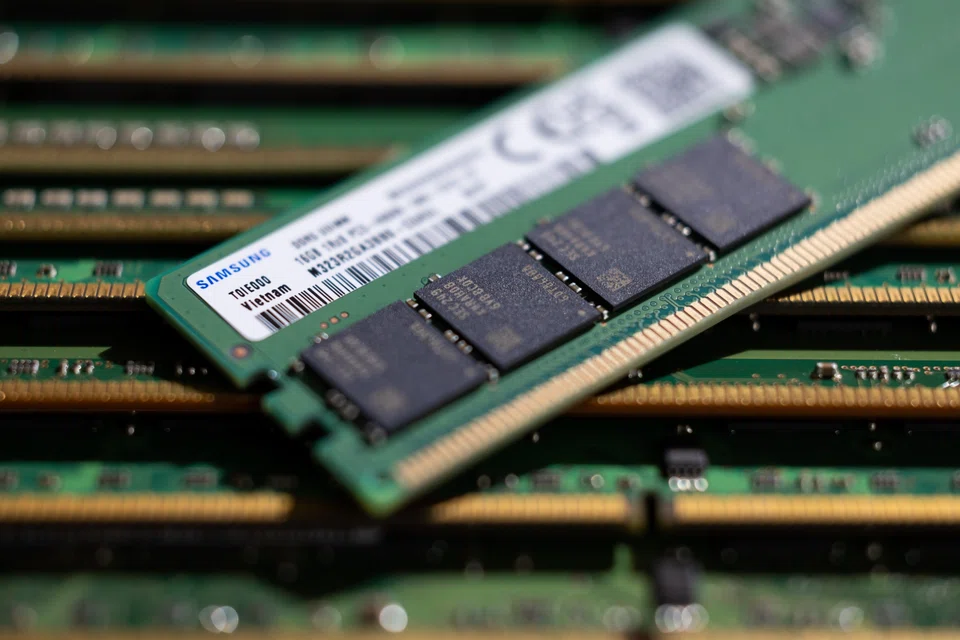
SAMSUNG Electronics reported its slimmest profit since the 2009 global financial crisis and said it would cut memory chip production, a significant step for the industry after oversupply caused prices to crater.
Operating profit plunged more than 90 per cent to 600 billion won (S$605.2 million) for the three months that ended in March, missing the average analyst estimate of 1.45 trillion won. Sales fell to 63 trillion won. Samsung plans to provide a full financial statement with net income and information on divisional performance later this month.
South Korea’s largest company warned that earnings would fall in the first quarter on slowing sales. But memory prices tumbled more than anticipated because of sluggish demand for everything from smartphones to PCs, as consumers and companies navigated recession risks. Despite its post-Covid re-opening, China’s market has also not bounced back as quickly as some anticipated.
Inventory at Samsung swelled to 52.2 trillion won at the end of last year after the company maintained production despite a collapse in demand. In contrast, rivals SK Hynix and Micron Technology cut output to deal with historic stores of chips.
“Despite the slowdown in the industry, Samsung has been relatively conservative in investment reduction and production cuts,” said Doh Hyun-woo, an analyst at NH Investment & Securities. “This has resulted in a bigger profit slowdown than its peers, despite its industry-leading manufacturing capabilities. We estimate the foundry business was also in the red.”
Samsung, the largest player in the US$160 billion memory chip market, is estimated to have lost about US$3 billion in its semiconductor division.
The Covid pandemic whipsawed the semiconductor industry, leaving many of the biggest players struggling to keep up with market changes. Demand soared as consumers locked down at home bought new computers and smartphones. The trend quickly reversed as restrictions lifted and the global economy suffered economic shocks from rising inflation, surging interest rates and the war in Ukraine.
Prices of Dram — a type of memory used to process data — are expected to fall in the current quarter by around 10 per cent, according to Baik Gilhyun, an analyst at Yuanta Securities. That follows a roughly 20 per cent slide in the previous three months and a more than 30 per cent drop in the fourth quarter of last year.
Micron, the largest US maker of memory chips, has said customer inventories are getting better, and predicted gradual improvements to the supply-demand balance. Hynix executives have said production cuts by memory suppliers should take effect in the second half and help prop up prices. But the two Samsung rivals underscored the pace of the recovery will hinge on peers’ efforts to cut supply.



The South Korean giant had resisted pulling back on capital spending and production until now. The company historically has opted not to slow down during difficult times so that it can take share from rivals. It’s spending hundreds of billions of dollars to build the world’s largest chip complex in its home country, and is building a new facility in the US too. The South Korean and US governments are both offering financial incentives to bolster their domestic industries.
It’s unclear how the US-China conflict over semiconductors might affect the industry in the coming years. Last week, Beijing launched a security review of chips from Micron, spurring concerns the Chinese government is taking a more aggressive line towards American companies. BLOOMBERG
Decoding Asia newsletter: your guide to navigating Asia in a new global order. Sign up here to get Decoding Asia newsletter. Delivered to your inbox. Free.
Share with us your feedback on BT's products and services
TRENDING NOW

Grab CEO’s wife Chloe Tong on life with Anthony Tan and finding her purpose

HDB reviewing ‘jumbo’ flat scheme after Telok Blangah unit listed for sale at S$2.18m

He built the Vingroup empire. Now South-east Asia’s richest man is handing some key roles to his sons
Singapore judge raises doubts iron ore trader Radiant World is owed US$1 billion

