
Samsung profit beats estimates on steady chip demand
 Add BT as a preferred source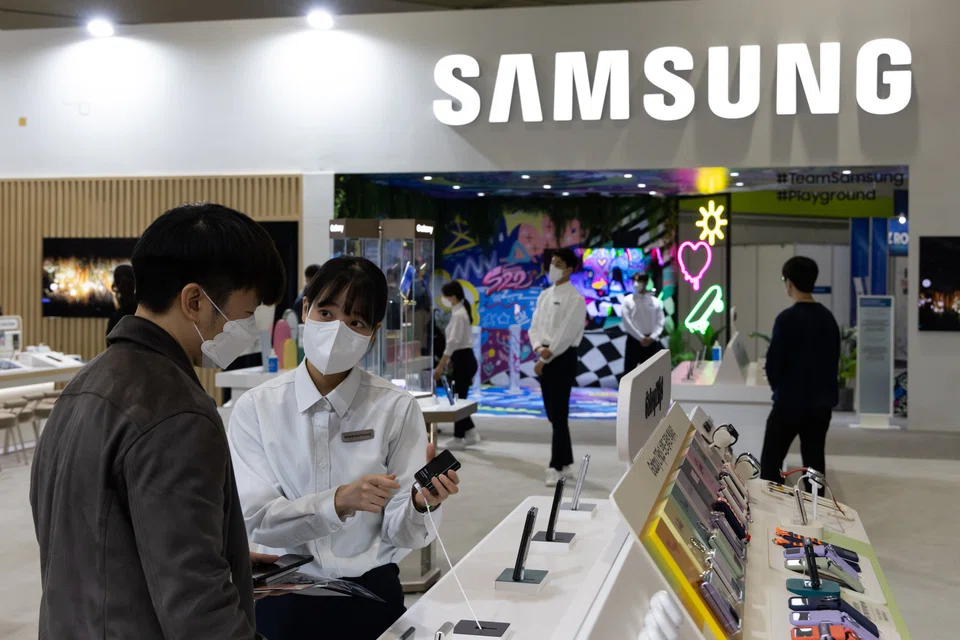
SAMSUNG Electronics first-quarter profit exceeded analysts’ estimates on solid sales of memory chips and premium smartphones, which offset slowing demand for electronic gadgets.
Net income increased to 11.13 trillion won (S$12.2 billion) in the 3 months ended March, South Korea’s largest company said in a statement on Thursday (Apr 28). Analysts predicted 10.14 trillion won on average, according to estimates compiled by Bloomberg. Samsung disclosed preliminary numbers earlier this month, including an about 50 per cent increase in operating profit.
Revenue at the world’s largest memory chip and smartphone maker rose to a record, boosted by soaring demand for semiconductors that power everything from servers to mobile phones and smart cars. Samsung is benefiting from device manufacturers adopting chips that have bigger storage and better performance, yet concern is rising that consumer spending on personal gadgets is cooling.
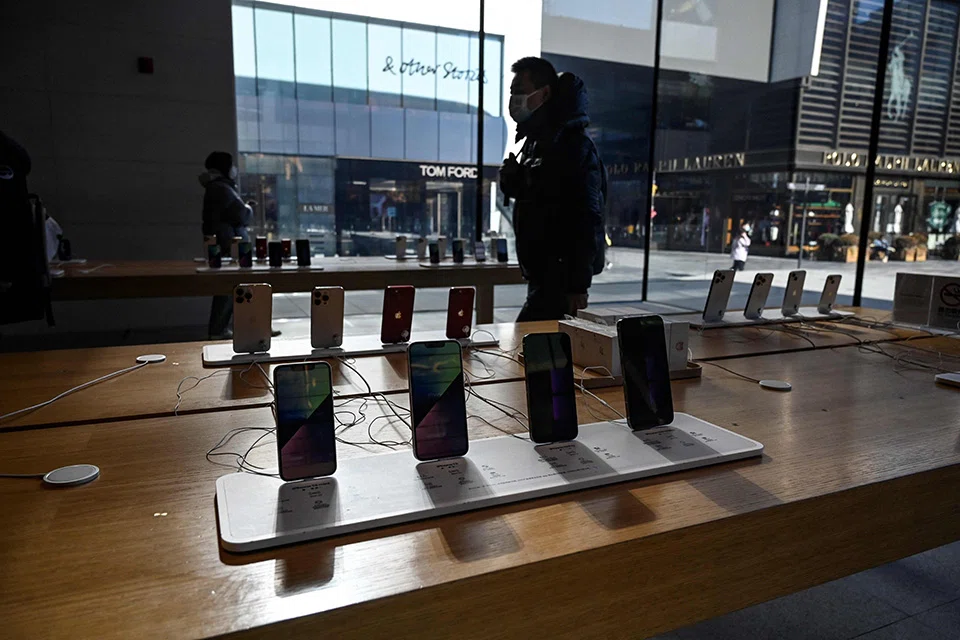
Supply chain disruptions are worsening because of China’s Covid-related lockdowns, while a war in Ukraine, higher inflation and tighter monetary policy in the US are hurting consumer sentiment. Global smartphone shipments declined 11 per cent in the first quarter, the worst drop since the virus broke out, Canalys data showed. PC shipments declined 6.8 per cent, according to Gartner.
“After an increased global shipment of laptops and smartphones in the fourth quarter last year, inventories are rising as actual sales slow down this year,” said Song Myung-sup, an analyst at HI Investment & Securities in Seoul. “The market’s losing confidence in a recovery of memory demand for the latter half of this year.”
Unlike in the past, when profits were hit hard by fluctuating chip prices, volatility in the current pricing downturn is expected to be less severe this time around. The DRAM industry’s transition to new-generation DDR5 memory and rising NAND prices due to a contamination accident at a rival chipmaker could protect profitability at Samsung, said Greg Roh, an analyst at HMC Investment & Securities.

Navigate Asia in
a new global order
Get the insights delivered to your inbox.
South Korean memory chipmaker SK Hynix said Wednesday that its profit more than doubled in the latest quarter after datacenter sales offset slowing consumer demand and memory prices fell less than was feared. For the rest of the year, Hynix said it expects a bounceback in PC and smartphone sales in the seasonally stronger second half, but that hinges on how long China’s Covid-19 lockdowns continue, which the company said have already affected manufacturing, supply chains and consumer demand.
An additional headache for Samsung is its foundry business, which is grappling with slower-than-expected improvement in production yields at its advanced chipmaking process. Although its foundry sales are rising amid the global chip shortage, investors question Samsung’s capability of manufacturing advanced nodes beyond 4nm. Samsung has set an aggressive goal to start producing 3nm-based chips in the first half of this year, ahead of rival Taiwan Semiconductor Manufacturing Co’s schedule.
While Samsung’s pledge to actively pursue mergers and acquisitions has stalled, there’s rising expectations that vice-chairman Jay Y Lee - out from prison on parole - may get back to the office within this year. South Korea’s major business lobby groups sent a joint letter urging President Moon Jae-in to pardon Lee, citing rising risks in the global business environment, according to Yonhap News. The move comes as US President Joe Biden is planning to visit Samsung’s most advanced chip plant in Pyeongtaek during his trip to South Korea in late May. BLOOMBERG
Decoding Asia newsletter: your guide to navigating Asia in a new global order. Sign up here to get Decoding Asia newsletter. Delivered to your inbox. Free.
Share with us your feedback on BT's products and services

