Saudi Aramco Q3 net profit rises 34.5% as higher oil prices offset lower volumes
Increased earnings are a boon for the kingdom as Houthi attacks pressure the economy
[DUBAI] Saudi Arabia’s state-owned oil company Aramco reported on Tuesday (Nov 3) a 34.5 per cent increase in net profit in the third quarter despite attacks targeting it, mainly due to higher revenue and its exit from a joint venture.
The world’s top oil exporter reported a net profit of US$36.25 billion in the three months ended Sep 30 from US$26.9 billion a year earlier. Net profit was US$32.7 billion in the second quarter.
Adjusted net income in the third quarter was about US$31.2 billion, from US$28.6 billion a year earlier, beating a median analyst consensus shared by Aramco from 12 analysts of US$30.66 billion.
The US-Iran war has cut Aramco’s output but higher oil prices have offset the reduced volumes.
The higher earnings are a boon for Saudi Arabia as it faces waves of attacks from Yemen’s Houthi militants that are pressurising the economy and putting increasing focus on the strength of its oil revenue.
Aramco, the world’s biggest oil exporter, is the lynchpin of Saudi industry, with revenue from energy sales and hefty dividend payouts supporting the kingdom’s vast spending needs.

Aramco has been exporting crude from its eastern terminals in the Gulf, its traditional outlet, as well as its western terminals in the Red Sea via the East-West pipeline, which chief executive officer Amin Nasser has called a critical lifeline.
The company ramped up crude shipments from its main export hub at Ras Tanura on the Persian Gulf in September to regain market share among buyers in Asia.
It pivoted to the route through Hormuz after the alternative through the Red Sea was disrupted following attacks on the East-West pipeline that temporarily took it out of service.

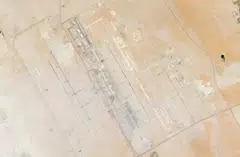
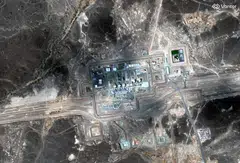
The East-West pipeline, which ramped up flows after the war began when the US and Israel struck Iran in late February, has come under attack several times throughout the conflict.
Other Saudi energy infrastructure – including Yanbu where the East-West pipeline terminates, refineries in western Saudi Arabia and a major oil field – and Aramco’s headquarters have also come under fire as fresh fighting erupted in the simmering war with Yemen’s Iran-aligned Houthis.
Despite the attacks, the kingdom has kept driving exports out to markets in November.
Brent crude in London surged more than 40 per cent during the quarter to average over US$90 a barrel as the ramp up in Iranian attacks on shipping in the Strait of Hormuz raised supply concerns.
By the middle of September, the global benchmark had topped US$100 a barrel and rose further in October amid concern that fighting could break out again in the US-Iran war. REUTERS, BLOOMBERG
Decoding Asia newsletter: your guide to navigating Asia in a new global order. Sign up here to get Decoding Asia newsletter. Delivered to your inbox. Free.
Share with us your feedback on BT's products and services