SGX listcos with Indonesia exposure stay resilient amid market meltdown
But analysts raise caution over equities with emerging market exposure

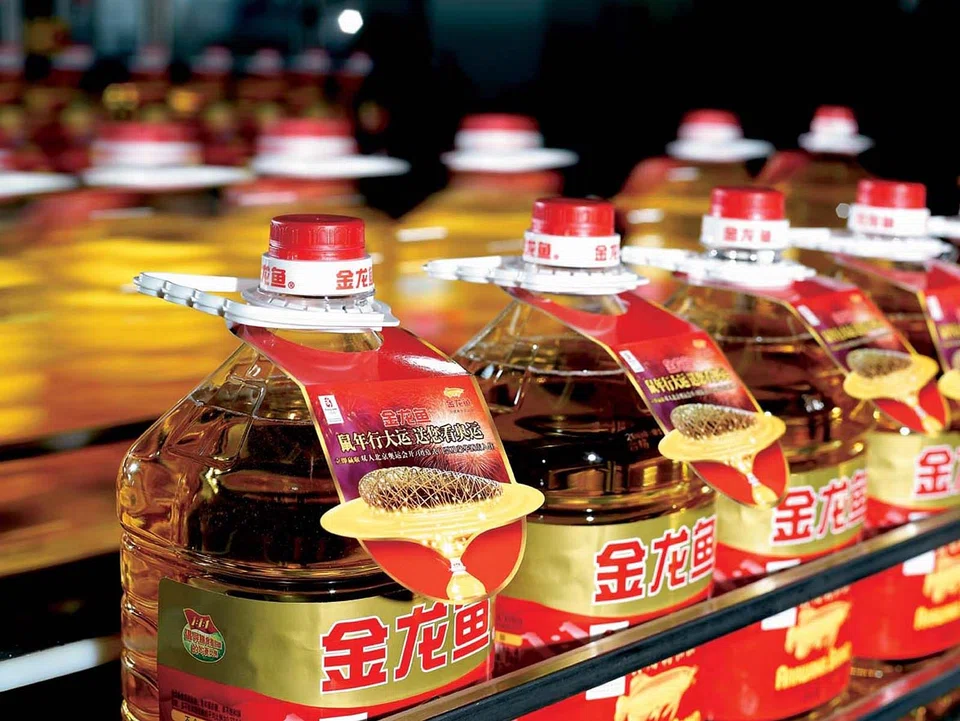
[SINGAPORE] While a market meltdown in Indonesia has rattled investor confidence, Singapore-listed companies with sizable exposure to the country have been shielded from the impact.
Singapore Exchange (SGX) market strategist Geoff Howie noted that major agri-commodity plantation companies such as Wilmar International and Golden Agri-Resources have remained resilient, with no significant institutional outflows from the sector since the start of 2025.
The SGX-listed agri-players, he said, have delivered a “relatively defensive” performance so far this year, compared to last year.
In particular, agri-business giant Wilmar has gained traction. It has logged a net institutional inflow of S$51.1 million in the year to date – the sixth highest across the entire SGX market – and generated a total return of 5.8 per cent.
Among all the agri producers with significant Indonesian exposure, Olam Group recorded the largest net institutional outflows in the year to date, at S$16.2 million.
Indonesia’s main stock index fell as much as 7.1 per cent on Tuesday (Mar 18) – its lowest point since September 2011 – dragged by fears of a slowing economy and uncertainty over President Prabowo Subianto’s recent policies.
While the regulators have enforced market-saving measures such as emergency share buybacks, the central bank held rates steady to support its continuously weakening currency amid market turbulence.
Market sentiment has since calmed down, with the Jakarta Composite Index rebounding about 2 per cent on Thursday.
But although the jitters in Indonesia, the world’s largest palm oil producer, have not spread to the Singapore-listed agri-players, the sector does face other trials.
Howie, listing these challenges, said: “The broader overarching agribusiness challenges include slower economic growth, rising costs, currency fluctuations and geopolitical tensions.”
There are some risks that weakness in the Indonesian rupiah – one of the worst-performing currencies in the region in 2025 – could directly hit the bottom lines of companies listed here.
But some industry watchers offered a different perspective: If a company incurs costs in rupiah but derives its revenue in US dollars, the rupiah, weaker relative to the USD, would improve margins.
Potential wider implications
In the wider Indonesian market, analysts said investor sentiment could be expected to remain weak in the near-term.
Indonesian corporate bonds could also suffer heightened volatility from negative headlines and overarching macro risks, Fitch Solutions’ CreditSights said in a report on Wednesday. (see *Amendment note)
Analysts also warned that recent issues in emerging markets such as Indonesia may raise caution among international investors.
Morningstar’s equity research analyst Michael Makdad noted that the sell-off in Indonesian equities on Tuesday itself would not have much effect on Singapore banks’ earnings; however, the uncertainty in the emerging markets could cap their share price performance in the near term.
Among the three local banks, OCBC is most exposed to the Indonesian market.
*Amendment note: This article has been amended to correctly reflect that CreditSights is not a unit of BMI. Both BMI and CreditSights are units of Fitch Solutions under Fitch Group.