SGX needs to take a long hard look at SPACs
Investors must have confidence these vehicles are not a way for poor-quality companies to go public
IT is easy to see why the markets are so enamoured of special purpose acquisition companies (SPACs).
Commonly referred to as blank-cheque companies, SPACs are listed shell entities whose purpose is to merge with a private business to take the latter public.
SPACs are easy to list, given that they have no underlying business at the point of their initial public offering (IPO).
Sponsors gain access to ready capital to chase deals, and are rewarded generously with what is known as a "promote" - usually a 20 per cent stake in the SPAC for a nominal sum.
Companies that want to go public can negotiate pricing with sponsors, unlike in a traditional IPO. SPACs also provide a shorter path to a listing, allowing them to capture windows of market opportunity.
Investors who buy units of the SPACs at IPO for US$10 would get a redeemable share and a warrant. At the point of merging with the private business -- referred to as a "de-SPAC" - investors have the option of redeeming their shares and getting their money back, with interest, while retaining the warrant.
It thus seems like a winning equation for everyone. The question is what happens after a SPAC merges with its target?
There have been success stories - examples include Virgin Galactic, Immunovant, and DraftKings - that performed well after their de-SPAC transactions.
But various studies of US SPACs have suggested the majority do not outperform, particularly when compared with other investments in a rising market.
One paper by Stanford and New York University of the 47 SPACs that merged between January 2019 and June 2020 found that the mean and median returns three months after a SPAC merges are -2.9 per cent and -14.5 per cent, respectively. They cited the dilutive nature of the promote and warrants as one likely reason.
Even where investors face losses, sponsors usually still have healthy returns as a result of the promote.
The study also observed SPACs had high redemption rates, with a median of 73 per cent. Monies would need to be raised to replace cash lost to redemptions, and those who hold through the de-SPAC could be left with the short end of the stick.
To be fair, market participants have pointed out that most research dates back to before the current popularity of SPACs. It may not be appropriate to judge the current crop of sponsors based on the past performance of their peers.
Evolving model
Nevertheless, it will not hurt to think of ways to ensure interests of all parties are better aligned. The model is still evolving in the US, with market forces also driving change.
Billionaire investor Bill Ackman launched the largest SPAC last year - Pershing Square Tontine Holdings - and stood out for not taking a promote. Instead, the sponsor bought out-of-the-money warrants that only pay if the acquired company meets targets over time. Also, some of the warrants from redeeming shareholders are reallocated to non-redeeming shareholders to encourage long-term investors.
Not all SPACs have such features in place, but it is likely that greater competition for investor dollars will push SPAC sponsors to introduce investor-friendly policies.
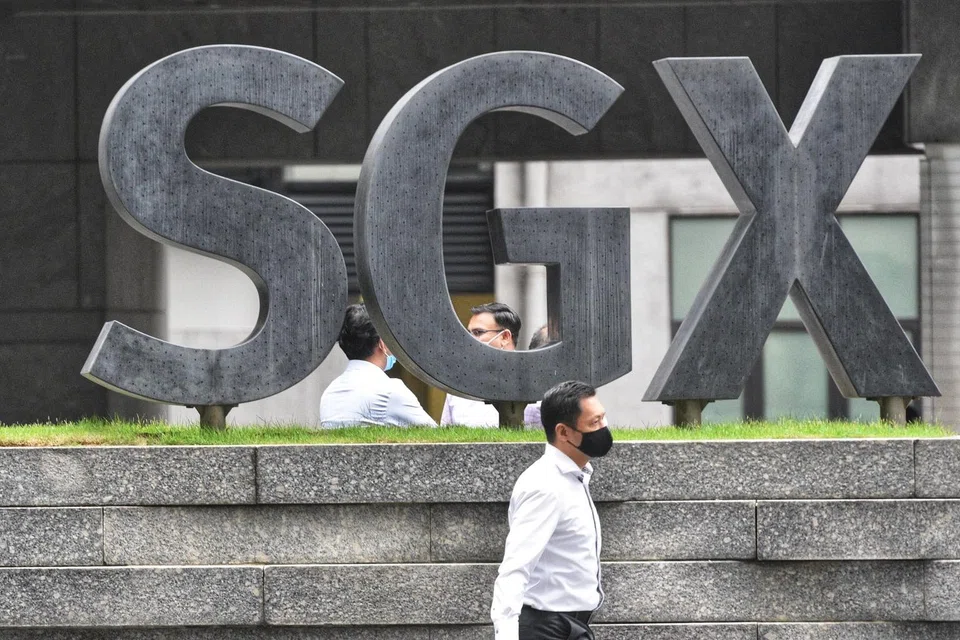
The Singapore Exchange (SGX) is reportedly hoping to have SPACs list here by the end of this year, with a consultation as early as Q1.
The bourse is right to explore such options to stay relevant, especially with other markets, such as Hong Kong, London and Indonesia, also said to be considering SPACs.
More vibrancy
SPACs could attract tech listings here and add vibrancy to a market dominated by old economy stocks such as banks and real estate.
SGX will, however, need to ensure that its rules are set up for longer-term success so that it can reap the benefits and avoid SPACs being just a passing fad.
Already, the sheer number of SPACs in the US is raising concerns over whether there are sufficient quality companies that can be brought public via this route.
A record US$78 billion was raised in the US via such vehicles last year and nearly US$60 billion has come online in just the first two months of 2021, according to Bloomberg data.
With the clock ticking - there is normally a two-year timeline to de-SPAC - sponsors will be competing to find acquisitions, or risk the SPACs failing, with monies being returned to investors.
In another sign that markets may have been overly bullish, many pre-merger SPACs in the US that were previously trading at considerable premiums to their IPO price have since started to correct.
If SPACs were to come to Singapore, it is important for investors to have confidence that they are not a way for poor-quality companies to go public. If their initial experience is bad, investors may quickly lose interest and the structure could be sidelined. This does not benefit anyone.
SGX should think carefully on how it can capture the attractiveness of SPACs to draw sponsors, while ensuring that investors have suitable protection.
Investors, too, must take responsibility and think critically about where they choose to deploy their capital. With the lack of a business model to analyse, they would be well-served to look beyond the hype and consider both the sponsors' credentials and whether the SPAC structure is actually aligned to their interest before writing that "blank cheque".