

SGX ready to list active ETFs
Navene Elangovan &
Mia Pei
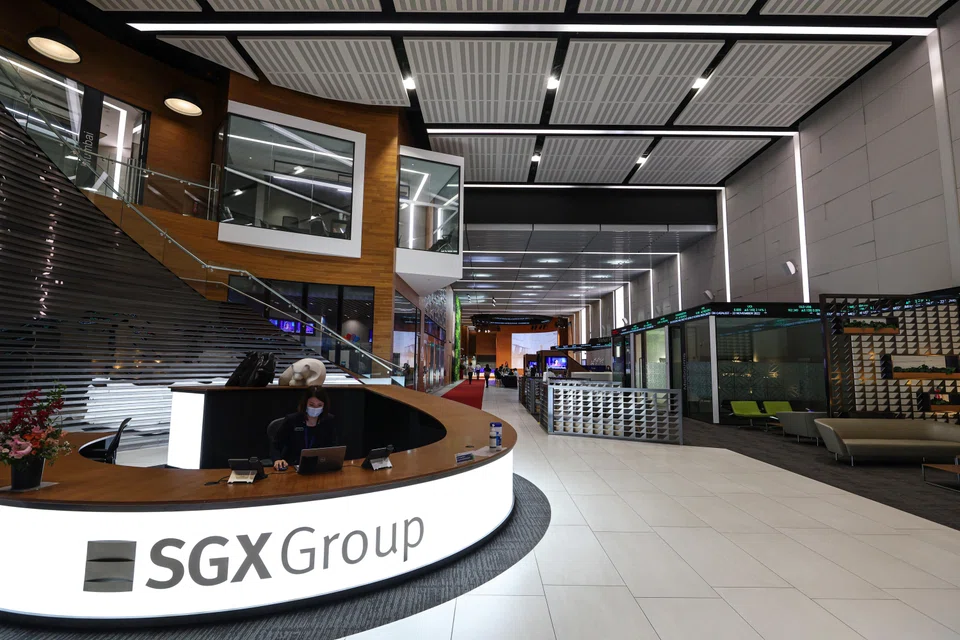
SINGAPORE Exchange Regulation (SGX RegCo) on Monday (Dec 4) launched new listing requirements for actively managed exchange-traded funds (ETFs) to meet evolving market needs.
An active ETF is one in which the investment manager makes decisions on the portfolio of the ETF without being subject to set rules of an index, according to the newly released practice note by SGX RegCo.
“The measures address transparency for investors, with requirements for fund managers to publish indicative net asset value throughout the trading day, disclose net asset value daily, and publish fund performance and portfolio holdings on a monthly basis,” said the Singapore Exchange.
It added that as active ETFs are constructed based on the manager’s investment expertise instead of tracking an underlying index, they offer investment opportunities to capitalise on potential market inefficiencies and adapt to changing economic environments.
The capital market regulator also noted that the local bourse’s ETF investing is gaining momentum, with assets under management doubling since the end of 2019 to over S$10 billion to date.
“The number of direct retail investors has also doubled over this period, while assets under management by robo advisers tripled to approximately S$1 billion,” SGX said.
Serene Cai, SGX Group’s head of securities trading, added that the group aims to provide a platform that encourages innovation and provides more options for investors.
“This new development will contribute to the vibrancy of our marketplace and reinforce SGX Group’s position as a hub for innovation and investor support in the global financial landscape,” she said.
Active ETFs give investors more choice
Industry observers agreed that SGX’s initiative was both timely and necessary given the growing global trend towards active ETFs and the changing needs of investors.
Tareck Horchani, the head of dealing at prime brokerage for Maybank Securities, said that SGX’s initiative aligned with the global trend towards active ETFs.
He noted that global assets in actively managed ETFs reached a record US$628 billion in July this year, indicating a strong market interest in such products.
Therefore, the introduction of active ETFs could potentially strengthen Singapore’s position in the global financial landscape, said Horchani.
Similarly, Li Guang Sheng, the principal investment specialist at wealth management firm Phillip Securities, said market participation by both retail and institutional investors could increase as the availability of active ETFs would diversify the investment options available in the Singapore market.
Peter Loehnert, the head of iShares and Index Investments for Asia-Pacific at investment management company BlackRock, said that with the benefits of ETF reaching more people in Asia-Pacific, “it is only logical” to see more investment strategies, including active strategies, being delivered as ETFs.
“Investors of course, will be the winners of more choice being brought to markets such as Singapore,” said Loehnert.
Industry players were generally of the view that there would be interest among local investors for active ETFs given its benefits, as compared with traditional, passive ETFs which track indexes.
Li said that actively managed ETFs combine the benefits of traditional ones, such as lower costs and transparency, with the dynamic management typical of mutual funds.
As active ETFs aim to outperform the market, they will appeal to Singaporean investors who want more sophisticated investment strategies, said Li.
Horchani of Maybank Securities said that unlike traditional ETFs, actively managed ETFs can adapt to changing economic environments. Therefore, active ETFs might appeal to those seeking potentially higher returns and tailored investment strategies, he said.
Nevertheless, the appeal of active ETFs to investors will also depend on other factors, said Jackie Choy, the director of passive investment ratings at investment research firm Morningstar.
These factors include how investors can understand and access the product, the product offering itself as well as investors’ appetite for the product, said Choy.
On how active ETFs compare with other products in the market, Li said that its lower fee structure and ease of trading and liquidity make them “a compelling alternative” to unit trusts which are also actively managed.
“Furthermore, the listing of these products on SGX enhances the visibility and accessibility for investors, potentially drawing more interest compared with traditional unit trusts,” he added.
However, Horchani said that while the regulatory environment in Singapore, coupled with the market’s growing sophistication, could see active ETF products gain significant traction, the success of these ETFs will depend on various factors.
These factors include investor education, market conditions, and the performance of these funds compared with traditional investment options.
TRENDING NOW

Once staunchly pro-China, Malaysian Chinese businesses are now distancing themselves from Beijing

New launch or resale unit? Here’s a guide for homebuyers
The lesser-known prospects in the Asian chipmaking supply chain

Cliff Tan has 7 million followers and a 4-month waitlist. Why won’t he expand his business?

