

Shareholder questions Singapore construction firm OKP’s large cash pile, board defends strategy
The company says maintaining a strong balance sheet, or financial position, is “fundamental” to operating in the construction sector
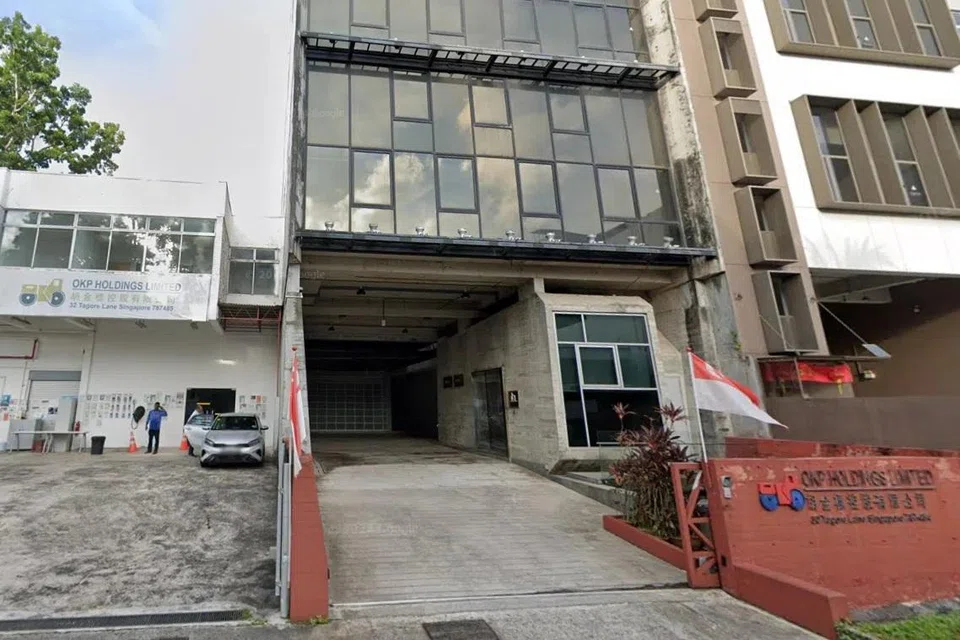
[SINGAPORE] Concerns over the sizeable cash reserves of construction and civil engineering firm OKP Holdings have been raised by a shareholder, prompting the group to justify its need for strong financial buffers to secure projects and manage risks.
Singapore Exchange mainboard-listed OKP said maintaining a strong balance sheet, or financial position, is “fundamental” to operating in the construction sector.
Questions submitted by the shareholder and the Securities Investors Association (Singapore), or Sias, ahead of the company’s Apr 28 annual general meeting, also touched on whether OKP could do more to enhance shareholder returns, including through share buybacks.
In response, OKP said it would “from time to time... evaluate capital management initiatives that enhance shareholder value”.
However, the company also stressed the need to maintain financial strength given the nature of the construction sector.
It added that the industry is characterised by long project cycles, uneven cash flows and risks such as delays and cost overruns.
Contractors are typically required to furnish performance bonds and meet liquidity thresholds to qualify for large public sector tenders, it said.
The company added that those unable to demonstrate sufficient financial capacity may not be invited to bid.
“Our cash reserves also serve specific operational purposes,” the group said, noting that its balance sheet strength allows it to execute projects without straining working capital and reduces reliance on credit during downturns.
Cycling path pipeline
Sias asked about OKP’s order book, a significant portion of which relates to cycling path network projects in Singapore, and how the company plans to replenish orders as those projects are completed.
As at Dec 31, 2025, OKP had S$588 million worth of orders in the pipeline, with projects extending until 2031.
The group replied that beyond cycling path networks, OKP will also pursue opportunities in other commuter transport-related infrastructure projects such as road works and drainage improvement projects.
It added that there are currently more than 730 km of cycling paths in Singapore, suggesting that about 570km remains to meet the Land Transport Authority’s 1,300 km target by 2030.
However, it was “unable to comment on how much of the cycling paths have yet to be tendered”.
It noted that while the company will continue to focus on construction and maintenance work, it will also explore diversification and strategic partnerships in Singapore and overseas.
Property disposals
Sias also queried OKP about the disposal of two freehold properties at Kampong Bahru Road for S$14.88 million, which was below their carrying value of S$15.6 million.
OKP said the sale followed arm’s length negotiations and was intended “to unlock value at an opportune time in view of the prevailing market conditions”, while strengthening its cash position and financial flexibility.
It added in its replies that property investment is not OKP’s core business, and reiterated its focus on construction and maintenance work in public sector civil engineering and infrastructure projects in Singapore.
“These areas provide stable demand and align well with the group’s technical strengths, capabilities and track record.”
OKP was asked whether the company has been able to keep raw material costs under control in the current environment, and if margins have already come under pressure.
In response, the company said construction materials made up about 12.1 per cent of cost of sales in 2025, down from 15.8 per cent in 2024, showing that the group is relatively insulated from swings in raw material prices.
As a result, margins have not seen any significant pressure from input costs, it said.
OKP added that it maintains strong relationships with suppliers and subcontractors to help it secure competitive pricing, while prices are locked in where possible to manage cost risks without compromising on quality. THE STRAITS TIMES
Decoding Asia newsletter: your guide to navigating Asia in a new global order. Sign up here to get Decoding Asia newsletter. Delivered to your inbox. Free.
Share with us your feedback on BT's products and services






