

Shein eyes company valuation of around US$25 billion in Hong Kong IPO
It’s aiming to launch its much-awaited initial public offering later this week
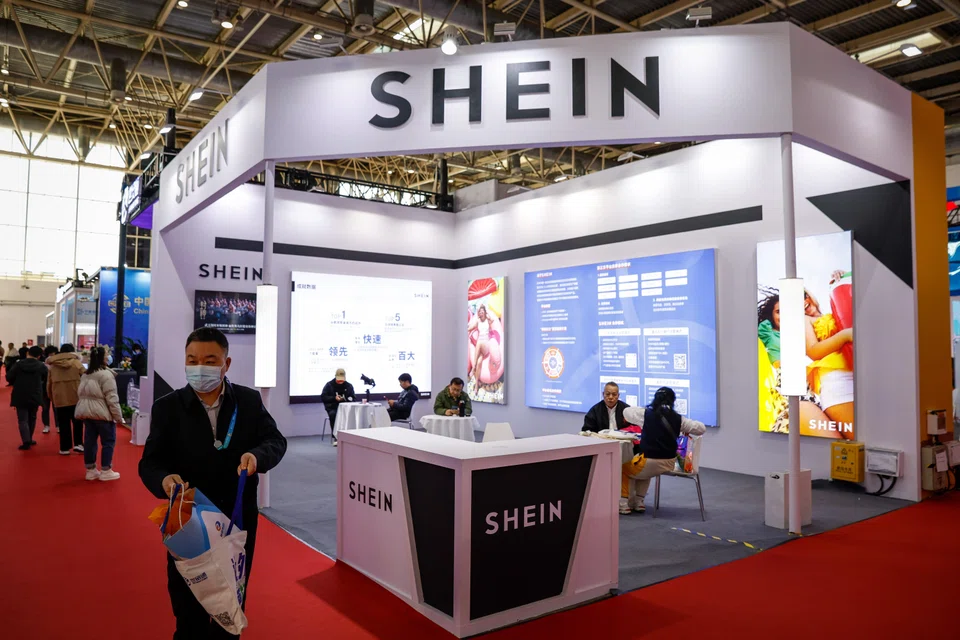
[HONG KONG] Online fast-fashion retailer Shein is eyeing a company valuation of around US$25 billion in its Hong Kong IPO, said three people with knowledge of the matter, down from nearly US$100 billion four years ago due to challenging business conditions.
Singapore-headquartered Shein, known for selling US$5 dresses and US$10 jeans to shoppers in about 160 countries, is aiming to launch its much-awaited initial public offering later this week, Reuters has reported.
One of the three sources said that the company, which was founded in China in 2012, was looking at a valuation of between US$25 billion and US$28 billion based on the marketing price band for the offering.
The sources declined to be named as they were not authorised to speak to the media ahead of a public announcement of the deal terms. A spokesperson for Shein did not immediately respond to a Reuters request for comment.
The latest company valuation target is also lower than US$30 billion-US$40 billion that Shein was aiming for at the beginning of this month and soon after it kickstarted investor meetings, Reuters reported on August 4.
Some investors, who attended IPO presentations or reviewed recent financial statements, have told Reuters they were not convinced Shein could return to the growth rates that valued it at US$98.2 billion in a 2022 fundraising round.
SEE ALSO



A lower valuation could weigh on Shein’s financials as under the terms of its IPO filing, the company would be required to provide extra shares to certain pre-IPO investors if the valuation falls below agreed thresholds. REUTERS
Decoding Asia newsletter: your guide to navigating Asia in a new global order. Sign up here to get Decoding Asia newsletter. Delivered to your inbox. Free.
Share with us your feedback on BT's products and services
TRENDING NOW

Philippine power giant First Gen rebuffs foreign offers, plans up to US$2.6 billion in expansion
Vietnam’s data-centre investment rush faces reality check on power and site constraints

Singapore should prepare for prolonged haze until November, says Grace Fu

Is stagflation returning? That mostly depends on the Iran war

