SIA, Air New Zealand alliance gets nod for 5 more years

Nisha Ramchandani
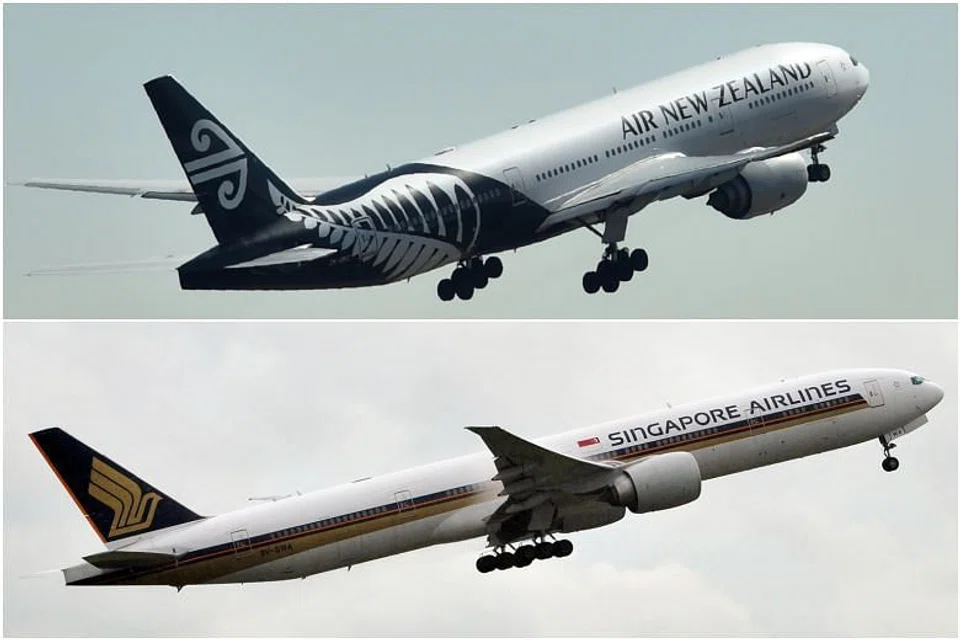
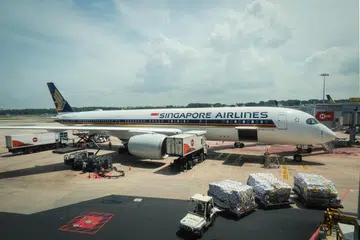
SINGAPORE Airlines (SIA) and Air New Zealand's joint venture alliance has received renewed approval from the New Zealand Ministry of Transport, the final step in enabling the two flag carriers to extend their alliance for a further five years until March 2024.
Under the alliance, which was first launched in January 2015, the two carriers have boosted frequencies between the two countries, adding capacity of over 25 per cent. This includes increased services during peak season to Christchurch, and the introduction of a Singapore-Wellington service via Australia. Meanwhile, a third daily service will be launched on Oct 28 between Singapore and Auckland, which will add 40 per cent more capacity on the route as well as improve connectivity to Europe, India and South-east Asia via Changi Airport.
During peak months, the two airlines will operate 35 return services in total a week between Singapore and New Zealand.
SIA's senior vice-president (marketing planning) Tan Kai Ping said: "The decision to re-authorise the alliance reinforces the benefits it has delivered to the New Zealand market in its first four years. We look forward to continue working closely with our alliance partner Air New Zealand, to provide even more travel options for our customers."
Air New Zealand chief strategy (networks and alliances officer), Nick Judd, said the approval reaffirms the airline's alliance strategy. "Partnerships such as this have been key to successfully growing Air New Zealand's international network and delivering important benefits to our customers," he said.
Copyright SPH Media. All rights reserved.