Singapore banks do not share similar risks leading to Credit Suisse AT1 write-off: CGS-CIMB

Vivienne Tay
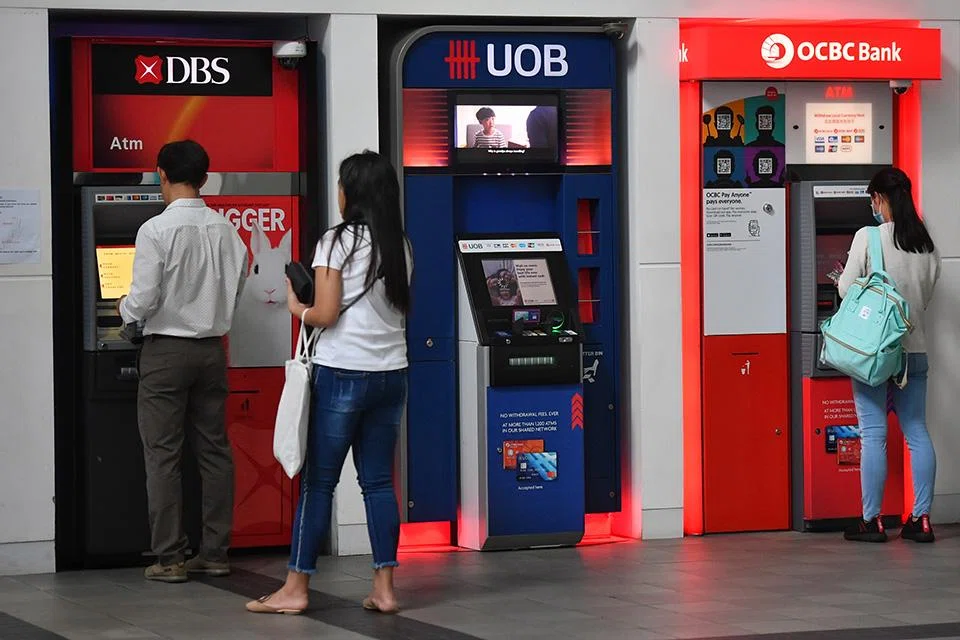
THE conversion of Credit Suisse’s Additional Tier 1 (AT1) bonds into equity was likely “idiosyncratic” in nature, and does not reflect the outcome of other AT1 securities in the system – which include those issued by Singapore banks, CGS-CIMB said on Tuesday (Mar 21).
The research team noted in a report that Singapore banks do not share the same risks which led to the event. This is due to strong corporate governance and risk management, resulting in a robust market and consumer confidence.
“We highlight that Credit Suisse underwent a crisis of confidence, which then led to the takeover,” said CGS-CIMB analysts Andrea Choong and Lim Siew Khee.
On Sunday, Credit Suisse said 16 billion Swiss francs (S$23.1 billion) of its AT1 debt will be written down to zero as part of its rescue deal with UBS, following orders from Swiss regulator Finma.
The move angered bondholders, who are considering legal action, and caused UBS shares to plunge. UBS will pay three billion francs for Credit Suisse and take in US$5.4 billion in losses as part of the merger.
In its Tuesday report, CGS-CIMB said any impact from the fallout seems to be insignificant for Singapore’s banking trio as UOB does not have any Credit Suisse AT1 holdings, while DBS and OCBC have little exposure.
Furthermore, any investment in other AT1 bonds only accounts for a “relatively small” part of the bank trio’s total investments, according to maturity profile disclosures.
Private banks also hold a bulk (84 per cent) of Singapore dollar-denominated AT1 issuances, followed by fund managers (around 10 per cent), observed CGS-CIMB.
Although Credit Suisse’s AT1 problem seems to be a special occurrence, investors should still watch for any spillover effects, CGS-CIMB said.
These include selling pressure on other banks’ AT1 securities, which, if sustained, could lead to margin calls. There could also be extended selling pressure in other asset classes such as equities in a bid to raise funds, as the profile of AT1 bondholders leans towards private wealth clients, who tend to subscribe to products with more aggressive risk-return profiles.
As a whole, negative sentiment for the sector could lead to overall tighter credit conditions as banks become more conservative, the research team noted.
Generally, it views Asean banks as less risky when it comes to AT1 debt due to their limited US and Europe bank and corporate exposures, which make up an average of about 3 per cent of total FY2023 book values.