

Singapore bets on K-pop’s soft power for long-term tourism and branding gains
Upcoming BTS concerts expected to lift tourism, though economic impact may be shy of Taylor Swift’s Eras tour effect

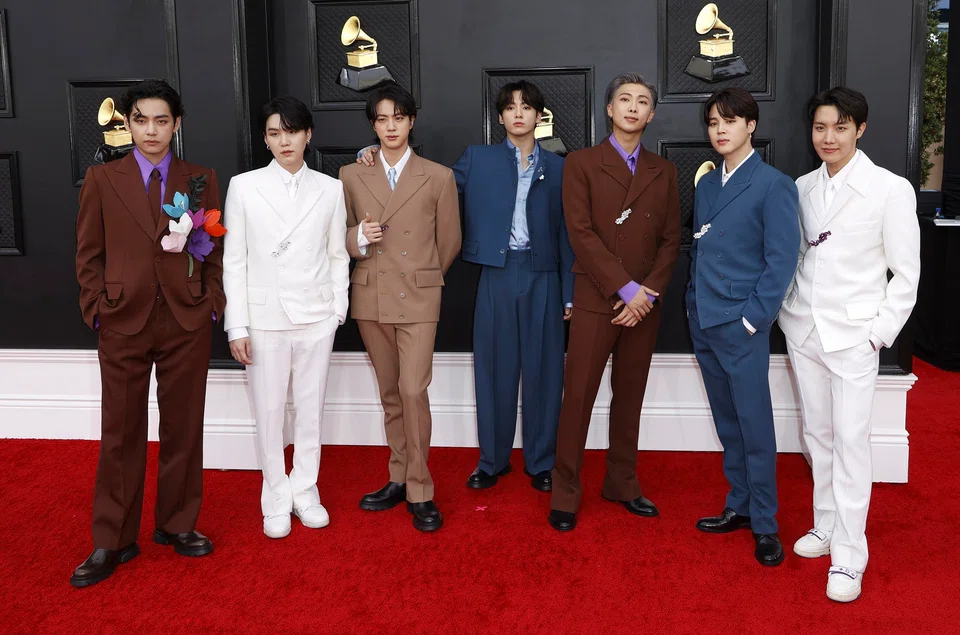
[SINGAPORE] Exclusive concert deals, destination partnerships and a K-pop training academy – Singapore is betting big on South Korean pop culture as part of a longer-term push to boost tourism and reinforce its position as a regional entertainment hub.
Rather than view K-pop as a direct tourism revenue stream, the city-state is leveraging the Korean Wave to strengthen its experience economy and brand appeal, while benefiting from downstream tourism spending, observers said.
K-pop reinforces Singapore’s stance as a vibrant lifestyle and entertainment hub, said Wong King Yin, a senior marketing lecturer at Nanyang Technological University (NTU).
“From a tourism perspective, K-pop functions less as a standalone revenue stream and more as a catalyst that amplifies wider economic and branding benefits,” she said.
These collaborations also “resonate strongly” with younger audiences, she added. “While the immediate conversion into visitor numbers is difficult to quantify, these collaborations generate meaningful soft-power effects by building emotional connections and long-term destination awareness.”
Benjamin Cassim, senior lecturer at Temasek Polytechnic’s business school, also noted that the popularity of K-pop is “phenomenal” in Asia-Pacific countries, which benefits Singapore, as its top visitor markets are China, Japan, Indonesia, Malaysia and Australia.
Idols in the making
Beyond concerts and destination marketing, Singapore is also embedding itself deeper in the K-pop ecosystem, with potential long-term tourism and branding spillovers.
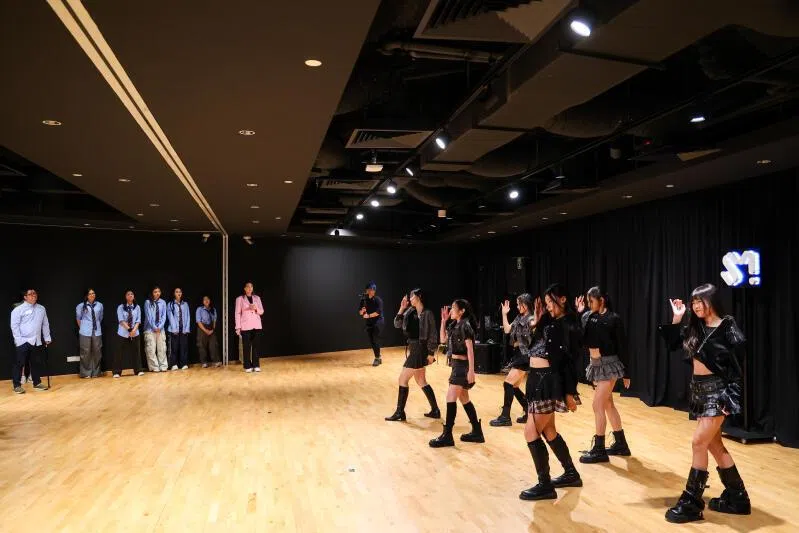
Singapore now houses a K-pop training academy operated by SM Entertainment, one of the largest entertainment companies in South Korea that is also responsible for many global names, including Girls Generation, NCT and aespa.
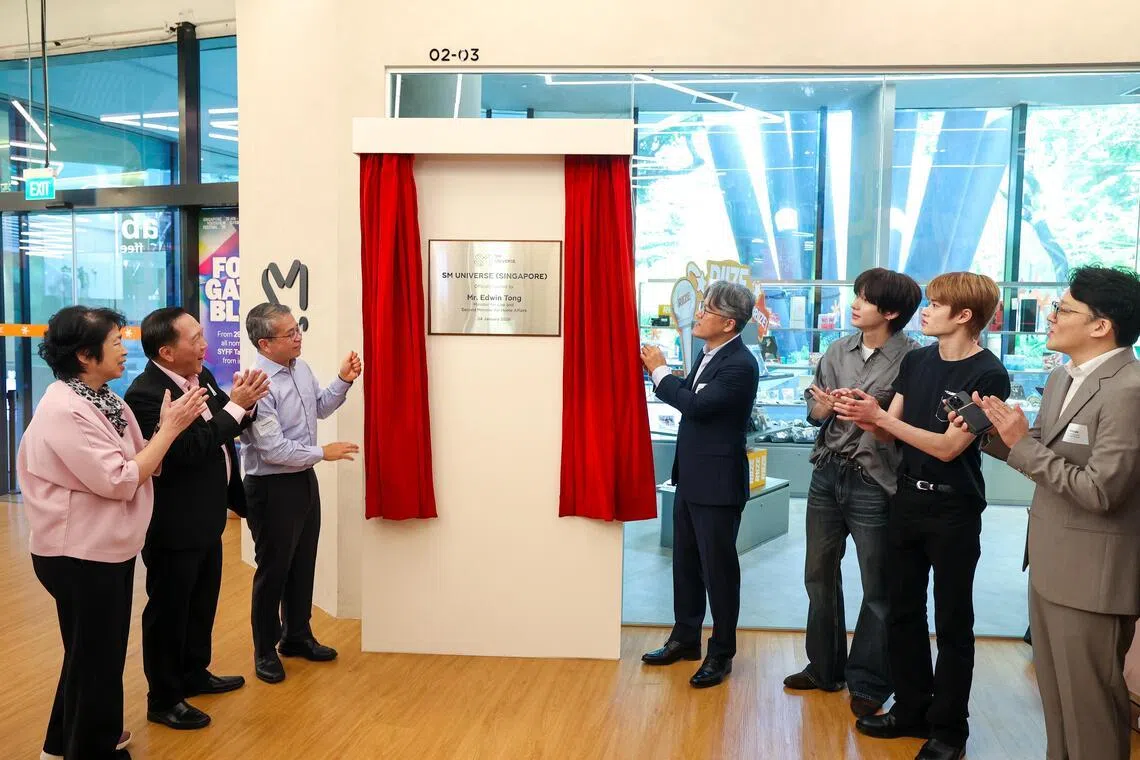
Called SM Universe (Singapore), the academy officially launched in January and is the company’s first such venture outside South Korea.
Lee Sung-soo, chief artistes and repertoire officer of SM Entertainment, told The Business Times that the academy will serve as a regional platform to nurture talent, deepen fan engagement and strengthen collaboration across South-east Asia.
“We see Singapore continuing to grow not only as Korea’s key trade partner, but also as a long-term cultural and educational partner, making it an ideal starting point for expanding SM Universe globally,” said Lee, who was chief executive of SM Entertainment from 2020 to 2023.
While the academy is not designed as a tourism attraction in the traditional sense, it could still generate longer-term cultural impact and branding benefits over time, noted observers.
Foreign students may take up the training, while the academy can contribute to longer-term skills development, industry growth and cultural exchange, said Cassim.
On the sidelines of the academy’s launch on Jan 24, Minister for Law and Second Minister for Home Affairs Edwin Tong said the academy will likely create more platforms and pathways for people interested in K-pop, and boost cultural vibrance.
Tong, who was previously minister for culture, community and youth, said one value of the academy is that “we might discover the next big thing right here in Singapore”.
Growth momentum
Singapore has experienced “remarkable growth” driven by the K-pop industry, with the momentum set to continue, said Serene Tan, executive director for North Asia at the Singapore Tourism Board (STB).
Ticketmaster listings for K-pop concerts in the city-state grew roughly 250 per cent between 2022 and 2024, signalling rising fan demand and industry confidence in the Republic, she noted.
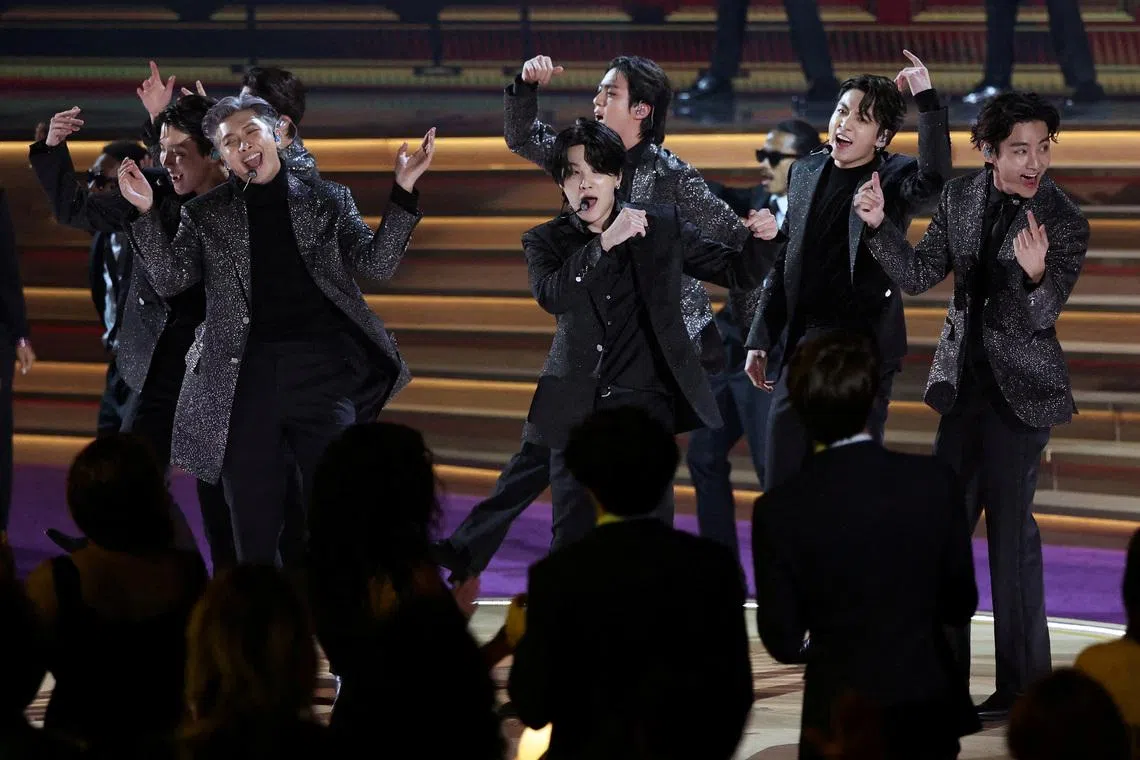
As at Feb 4, at least 19 acts have already performed or announced tour stops in Singapore for 2026. These include BTS, which is set to perform here for four nights in December as part of the boy band’s reunion world tour.
K-pop has shown itself to be a sustainable, reliable and resilient sector during the Covid years, said cultural studies researcher Liew Kai Khiun.
These positive attributes can be relied upon for Singapore aspiring to be a global venue for meetings, incentives, conventions and exhibitions, said Liew, who has been writing on the Korean Wave for the past two decades.
Said STB’s Tan: “We will continue our efforts to leverage K-content and welcome the opportunity to collaborate with more artistes on impactful storytelling that inspires travellers to visit Singapore.”
She also noted that Singapore’s K-pop offerings are diverse, ranging from concerts and music festivals to destination marketing, while upcoming initiatives include drama and variety show productions and branded entertainment content.
Four-day run
BTS’ Singapore stop – the longest tour stop in South-east Asia – is also a culmination of STB’s partnership with the band’s record label, Hybe.
Noting that December is historically the slowest month for hotel occupancy in Singapore, Jesper Palmqvist, regional vice-president for the Asia-Pacific at STR – CoStar Group’s hospitality analytics division – said the concerts scheduled for that month will boost demand.
The impact of the BTS concerts will also likely be stronger than that of most other K-pop acts, noted NTU’s Dr Wong. Since the tour will be BTS’ first group activity since 2022, the concerts carry a strong sense of anticipation and emotional attachment among fans, she added.
But this will likely be moderate in comparison with the impacts of Lady Gaga’s and Taylor Swift’s tours, which both had Singapore as their only South-east Asian stop, she said.
Economists estimated that Swift’s concerts in March 2024 brought the Republic around S$300 million to S$400 million in tourism receipts, while Lady Gaga’s shows in May 2025 generated S$100 million to S$150 million in tourism revenue.
Palmqvist expects the BTS concerts will be a “much smaller deal” than Swift’s, as the band may not have the same demographic width in popularity.
OCBC equity analyst Chu Peng added that BTS’ fan base is younger and tends to cluster spending around concert-related activities and official merchandise.
This can result in lower per capita hotel spending compared with Swift’s and Lady Gaga’s audiences, but could still be supportive overall of visitor volumes and ancillary spending, she said.
For STB, Tan is “optimistic” that Singapore can continue to attract regional and international fans to its shores, given its track record and success in hosting major international events, as well as BTS’ considerable fan base.
Palmqvist added: “An event like this in Singapore only carries benefits, and it brings attention to an amazing host destination, so it is very good news.”
Additional reporting by Elysia Tan
TRENDING NOW

First Resources blames El Nino, outside fires for Kalimantan hotspots amid haze scrutiny
High Court rules against Julius Baer’s Singapore trust arm in US$50 million family trust dispute
Singapore key exports jump by higher-than-expected 68.4% in September, led by non-electronics

MSCI proposes downgrading Indonesia to standalone market status

