

S’pore’s rise as a biomedical sciences powerhouse: The talent driving its next chapter
Professionals in Singapore’s biomedical sciences sector are building careers across pharmaceuticals, medical technology and the life sciences, bringing expertise that spans disciplines and global markets
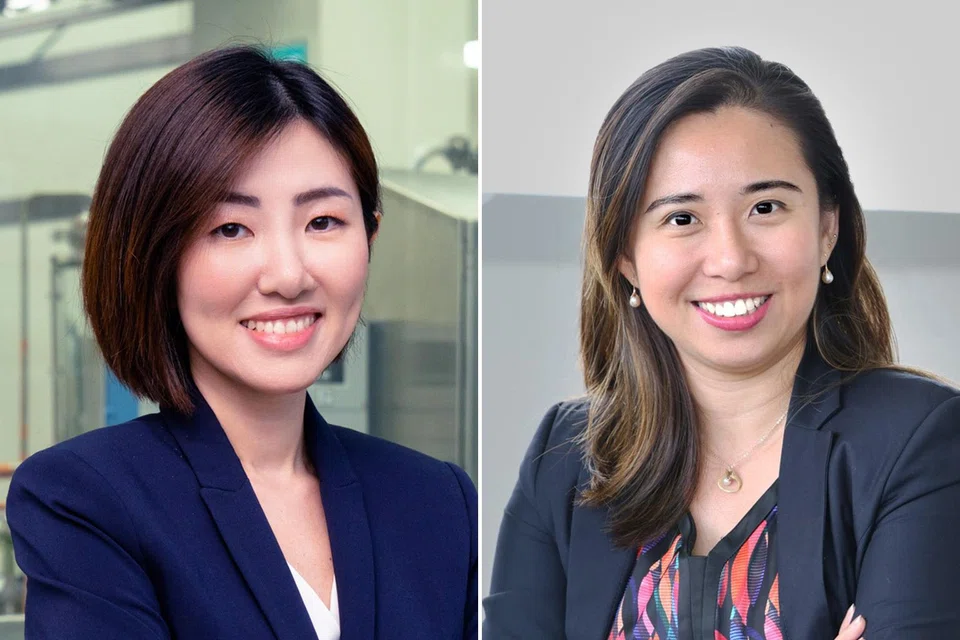
ON HER first day as a project planner at the GlaxoSmithKline (GSK) headquarters in the UK, Jowyn Goh found herself at a round-table discussion with senior leaders who had decades of experience in drug development.
“I didn’t fully understand everything they were discussing, but I listened closely, took notes and learnt how to carry myself professionally in front of senior stakeholders,” she recalls.
Far from home and fresh out of Nanyang Technological University with a Bachelor of Science in Biological Sciences, the experience proved formative for Goh.
Today, Goh is director for Asia digital commercial at British medical technology company Smith+Nephew. Her 20-year career – from Singapore to the UK and China, and across pharmaceuticals and medical technology – mirrors the rise of Singapore as a global biomedical sciences hub, powered by talent able to operate across cultures, disciplines and markets.
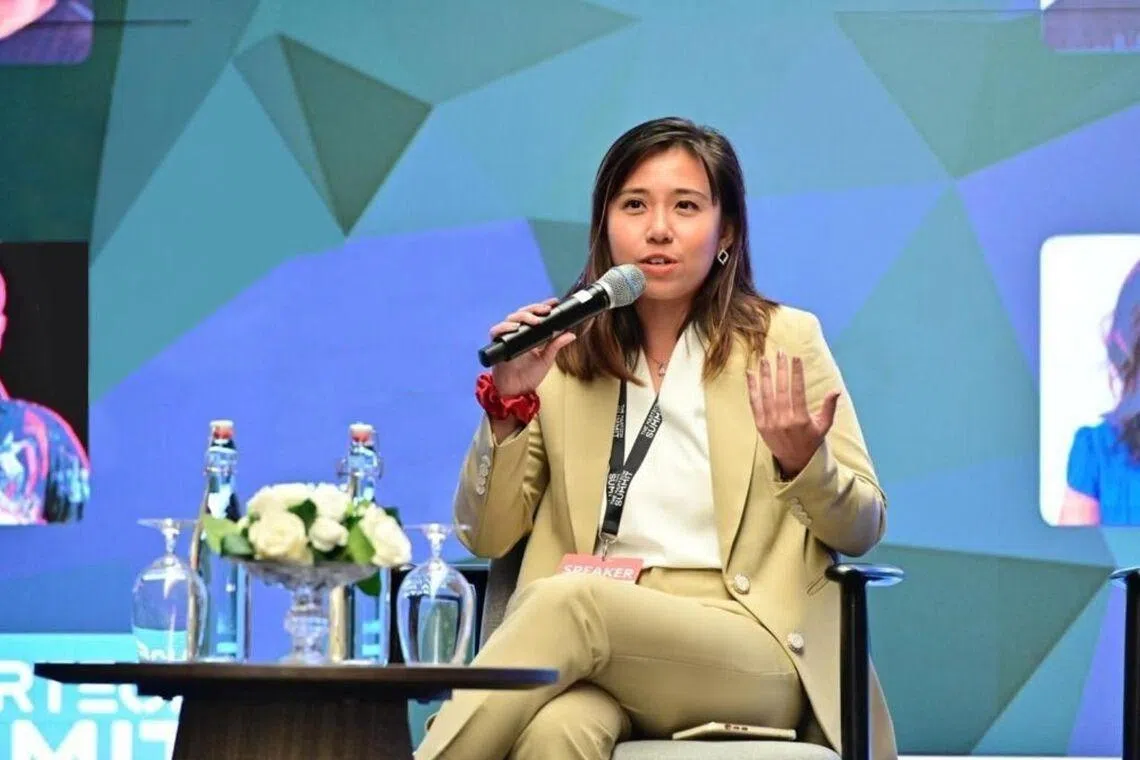
Professionals like Goh are valued by multinational companies for their ability to navigate Western corporate environments and Asian market dynamics.
This dual fluency is one reason Singaporeans are a strong fit for multinational companies that have operations across the world to accelerate healthcare innovations and improve health outcomes for patients.
After leaving GSK, Goh moved into senior business management roles at Philips ASEAN-Pacific in Singapore, overseeing the company’s connected care solutions for hospitals and community, before transitioning into her current regional role at Smith+Nephew.
Growing a global biomedical sciences industry
Goh’s career reflects the scale of the sector behind it. Today, the sector – comprising biopharmaceutical and medical technology – contributes about 1.9 per cent of Singapore’s GDP. In 2024, the industry produced over $32 billion worth of products that help patients across the world. This is an increase of more than 85 per cent from two decades ago.
Singapore is home to one of the most comprehensive biomedical sciences sectors in Asia, with more than 60 manufacturing plants, over 30 research and development (R&D) centres and more than 80 regional headquarters now operating in the country.
That depth is the result of sustained, coordinated investment into the sector – in cutting-edge R&D, infrastructure, regulatory frameworks and, critically, talent. The Singapore Economic Development Board (EDB) works closely with the industry in developing industry-ready talent, including through overseas training programmes.
JTC’s Tuas Biomedical Park supports biomedical manufacturing activities, while One-North, Singapore’s research and innovation district, brings together the expertise of over 400 leading companies, 15 research institutes and six institutions of higher learning and corporate universities.
The Agency for Science, Technology and Research (A*STAR) anchors Singapore’s research translation infrastructure, converting scientific discoveries into real-world applications through partnerships across industry and the public sector. Its Nucleic Acid Therapeutics Initiative (NATi) is among the national platforms advancing early-stage research toward clinical applications.
These efforts are supported by sustained investment in STEM research talent. Today, there are over 53,000 researchers in Singapore and around 45 per cent of graduates from ITEs, polytechnics and universities are from STEM-related courses.
For Melis Tay, an overseas training programme administered by EDB played a direct role in helping her career take flight.
After graduating from the National University of Singapore with a Bachelor of Science in Life Sciences, she joined a programme that placed her at Lonza in Portsmouth, New Hampshire, in the US, as a deviation writer in preparation for the start-up of the Singapore manufacturing facility.
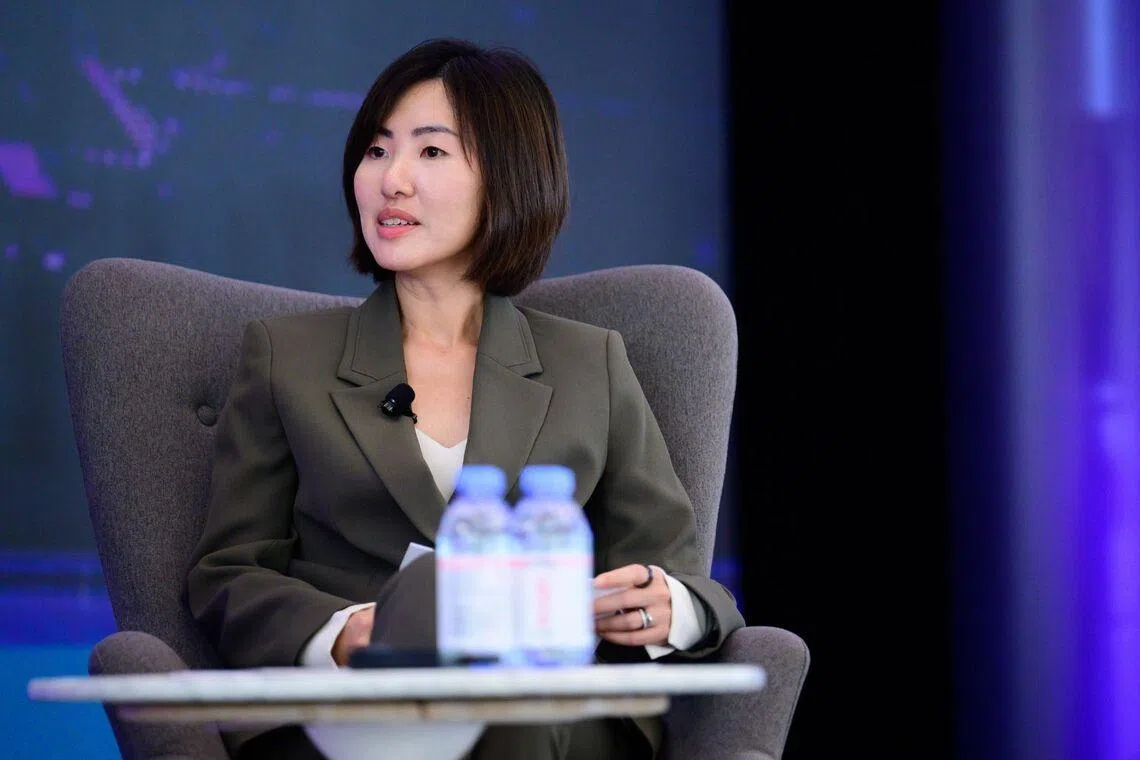
“Working and living overseas has profoundly shaped both my personal and professional development,” says Tay. “Exposure to diverse workplace cultures, ways of working, and regulatory framework has strengthened my adaptability and cross-cultural leadership skills which I rely on every day.”
These capabilities have proved essential in a global industry where teams operate across multiple time zones and regulatory environments.
Today, Tay oversees manufacturing operations for AbbVie’s biologics and active pharmaceutical ingredient sites in Singapore, a role she reached after managing the company’s third party manufacturing facilities in Europe while she was based in Switzerland.
Based locally, she still takes regional and global calls across time zones most evenings – a routine that reflects the integrated nature of modern biomedical operations.
Transferable skills across sectors
Biomedical sciences professionals are increasingly moving across different parts of the ecosystem, from pharmaceuticals to medical technology and life sciences, bringing with them transferable expertise.
Tay’s career has taken her from pharmaceuticals at GSK and Lonza, to medical technology at Thermo Fisher Scientific, and back to pharmaceuticals with Amgen and now AbbVie.
“Many skills – project management, Good Manufacturing Practices (GMP), leading cross-functional teams – were highly transferable throughout my transitions,” she says.
Goh experienced a similar shift when she moved from pharmaceutical R&D into medical technology after completing an MBA.
The commercial demands were new; the regulatory and organisational foundations were not. “Both pharmaceuticals and medical technology operate in highly regulated environments, so my understanding of access, reimbursements, compliance and quality frameworks carried over well,” she says.
“Having worked in multinational organisations, I was already used to working cross-functionally, communicating across cultures, and navigating complexity.”
Beyond STEM: the full scope of the sector
A persistent misconception continues to shape how prospective talent assesses the industry: that biomedical careers are confined to science and engineering roles. The reality is considerably broader.
Aside from manufacturing and R&D functions, industry giants like GSK and Resmed have also anchored their regional headquarters in Singapore. In fact, employment in the biomedical sciences sector has nearly tripled from two decades ago to more than 26,000 today.
“It’s a common misconception that only those with science and engineering degrees can join the sector,” says Tay. “In reality, biomedical sciences companies offer a wide range of roles – from quality assurance, regulatory affairs and project management to HR, marketing and supply chain.”
Goh agrees: the commercial and digital functions that multinationals locate in Singapore create demand for professionals with business, analytics and communications skills as much as laboratory expertise.
The next phase of growth
The sector’s next growth curve is already forming. Advances in biologics, cell and gene therapies, digital health and precision medicine are expected to drive both investment and headcount in the years ahead, creating new roles that combine clinical expertise with data and computing skills.
For Tay, adaptability will define who thrives. “Cultivating adaptability is key – being able to adjust quickly to different environments, cultures and business dynamics,” she says, adding that strategic thinking and emotional intelligence are equally important for those moving into regional or global leadership.
Goh points to digitalisation as the most immediate structural shift. “We will see more personalised, data-driven approaches supported by digital platforms and AI,” she says – a development that will further broaden the sector’s talent requirements beyond traditional STEM pipelines.
Leadership diversity is also improving. “It’s encouraging to see the biopharma industry evolve to become more inclusive, with a growing number of strong female voices and leaders, including several female site heads across major companies,” says Tay. “This inspires the next generation to pursue leadership roles in the field.”
At its foundation, however, the sector’s appeal remains constant. “What keeps me passionate really goes back to why I chose healthcare from day one – to make a meaningful difference to patients’ lives,” says Goh.
Learn more about the Singaporeans making their mark on their industries, in Singapore and globally.

Share with us your feedback on BT's products and services
TRENDING NOW

Once staunchly pro-China, Malaysian Chinese businesses are now distancing themselves from Beijing

Looking beyond looming CEO succession, should UOB potentially pursue a transformative merger?

Could stablecoins be the future of money?

Grab CEO’s wife Chloe Tong on life with Anthony Tan and finding her purpose

