Singapore competition panel seeking views on SIA, CAE International joint venture
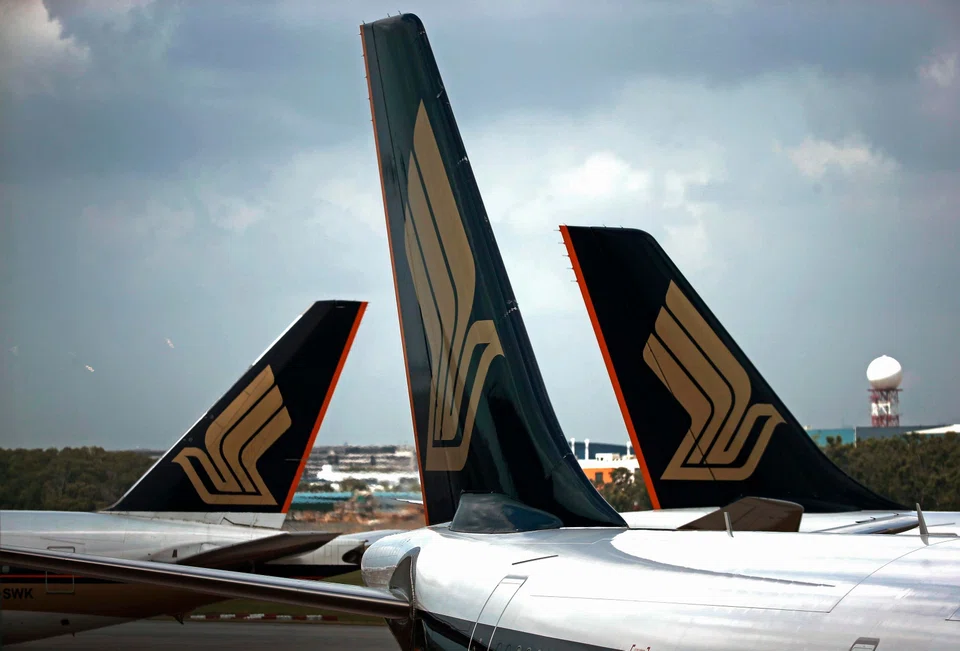
SINGAPORE'S competition watchdog is seeking feedback between Dec 27 and Jan 10, 2018 on the proposed joint venture between CAE International Holdings and Singapore Airlines (SIA) to set up, develop and operate a commercial flight training centre in Singapore.
The Competition Commission of Singapore on Wednesday said that the centre will offer type-rated, recurrent and conversion pilot training for certain Boeing aircraft.
It said that the joint venture will primarily support the training needs of SIA and its wholly owned airline subsidiaries in Singapore, as well as third-party airlines and other customers.
The commission said that it is assessing whether the proposed transaction would infringe section 54 of the Competition Act (Cap 50B), which prohibits mergers that have resulted, or may be expected to result, in a substantial lessening of competition within any market in Singapore.
CAE is registered and incorporated in Canada, and is an indirectly wholly owned subsidiary of CAE Inc which is listed on the Toronto and New York stock exchanges.
The CAE group designs, manufactures and supplies simulation equipment, provides training, and develops integrated training solutions for defence and security markets, commercial airlines, business aircraft operators, helicopter operators, aircraft manufacturers and for healthcare education and service providers. It also offers a range of flight training devices based on the same software used on its simulators, and operates a global network of training centres.
Share with us your feedback on BT's products and services