Singapore not aiming for Singdollar to be reserve currency: MAS’ Chia Der Jiun
It has safe‑haven appeal and other attributes of a reserve currency, but lacks scale, analysts say

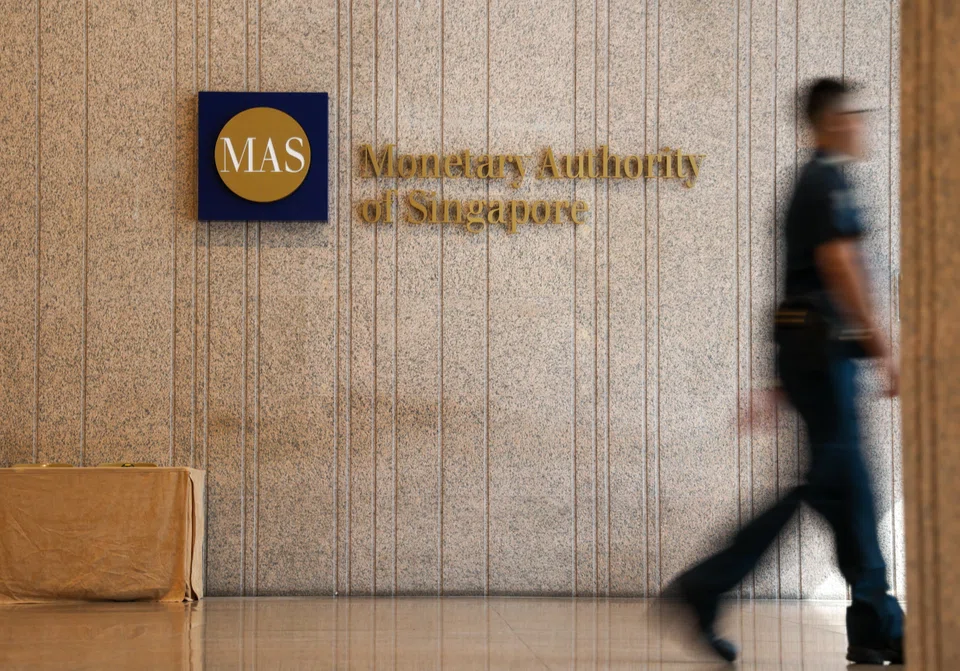
[SINGAPORE] The Monetary Authority of Singapore (MAS) does not seek for the Singapore dollar to become a reserve currency, said its managing director Chia Der Jiun.
The Singdollar lacks important attributes of reserve currencies, Chia said in an interview with The Business Times ahead of the Singapore Fintech Festival happening from Nov 12 to 14.
Analysts also noted that Singapore does not want to internationalise its currency to maintain control over its exchange rate-focused monetary framework.
But they pointed out the safe-haven appeal of the Singapore dollar, and expect it to become a regional reserve asset, particularly given the resilience it has had against the US dollar.
The Singapore dollar has rallied against the US dollar this year. Year to date, it is up more than 4 per cent against the greenback, amid a broad sell‑off of the latter with US$1 equal to about S$1.31 now.
This has resulted in forecasts that the Singapore dollar will eventually reach parity with the US dollar. An October report by DBS expects the Singdollar to do so by 2040, amid policy and safe-haven appeal.
MAS’ Chia said strong market confidence in the Singdollar was underpinned by Singapore’s macroeconomic and political stability, rule of law, active management of its exchange rate and triple-A credit rating.
But Singapore lacks the large, deep and liquid asset markets that are necessary to supply safe assets for the world, he noted.
Analysts acknowledged that the Singdollar lacks the scale to become a global reserve currency.
The Singapore dollar has limited offshore use and a small market size, said DBS senior currency economist Philip Wee.
MAS’ monetary framework also depends on keeping the Singdollar liquidity largely onshore and free from speculative offshore flows, he explained.
Qualitative attributes
Nevertheless, Singapore still has many of the qualitative attributes required for a reserve currency – credibility, safety and a well‑functioning financial system, said Chandresh Jain, emerging markets Asia rates and foreign exchange strategist at BNP Paribas.
“A more realistic target is to solidify its position as a regional reserve asset and a niche safe‑haven currency,” he noted.
DBS’ Wee said the Singdollar – one of the world’s few remaining triple-A currencies – has not been diluted by years of ultra-loose monetary policy and rising public debt, unlike many major currencies.
Rather, it has preserved its real value through fiscal management and a credible exchange rate policy framework, making it “a trusted store of value”, Wee pointed out.
Furthermore, the Singdollar’s strength and predictability make it a preferred currency for trade settlement and investment in South-east Asia, said Claudio Piron, Asia-Pacific forex and rates strategist at Bank of America (BOA) Securities.
For Saktiandi Supaat, head of forex research at Maybank, the Singdollar could be something akin to the Swiss franc – a safe haven that is a major currency.
The Singdollar is already among the top 10 most traded currencies in the world, while Singapore is an important financial hub and one of the three largest forex trading centres in the world behind London and New York, he said.
Analysts expect the currency to continue appreciating against the US dollar in 2026.
MAS is likely to maintain its current settings, which should keep the Singdollar within a narrow and predictable trading band, BOA’s Piron said.
Meanwhile, the US dollar will likely remain weak in the year ahead, as the US cuts interest rates and enhances its currency’s export competitiveness.
“Against a backdrop of great uncertainty from tariffs and geopolitical conflicts, the strength of Singapore’s institutions and the credibility of MAS policy mean that the Singdollar has a relatively certain quality in a relatively uncertain world,” Maybank’s Supaat said.