Singdollar trades at a fresh 10-year high of S$1.28 against the greenback
The currency has been gaining strength in recent months, but especially so after Fed rate cut

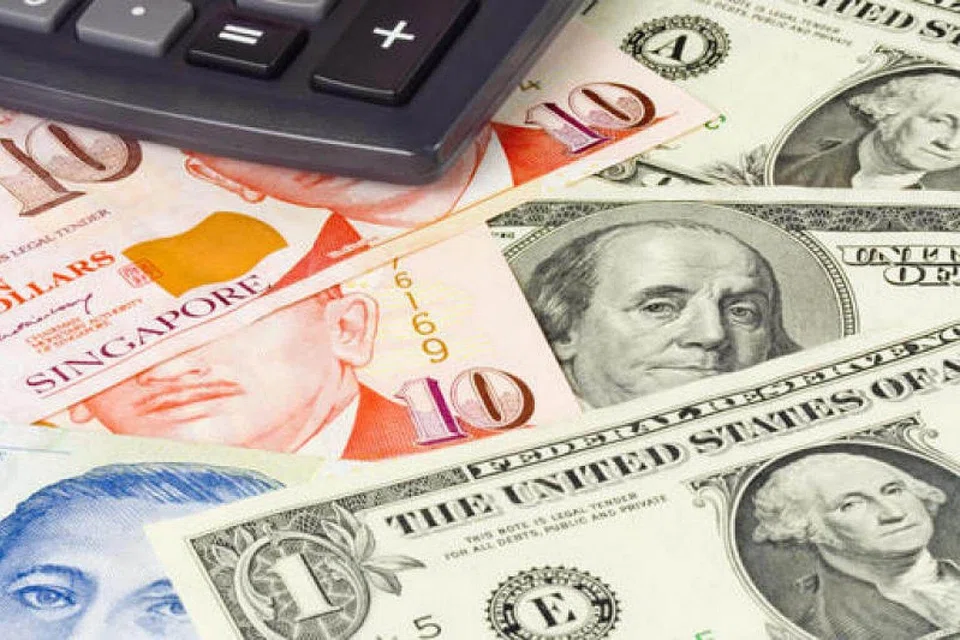
THE recent weakness in the US dollar has spurred strength in the Singdollar, a development that spells good news for both Singaporeans going on holiday and for importers.
At around S$1.28 to the greenback, these levels have not been seen since October 2014.
As at 8.45 pm on Wednesday (Sep 25), the Singapore dollar was trading at 1.2847 per US dollar, according to data from Yahoo Finance.
The Singdollar has been gaining strength in the past few months, but especially so after the US Federal Reserve slashed interest rates by 50 basis points last week, a move aimed at boosting a cooling job market while continuing to keep a tight lid on inflation in the US.
Weaker-than-expected US jobs data in recent months has pointed to an imminent slowdown in the US economy. On Tuesday, a report showed that US consumer confidence had unexpectedly dropped in September on labour market concerns.
Currently, inflation stands at about half a percentage point above the 2 per cent level. New economic projections show the annual rate of increase in the US personal consumption expenditures price index falling to 2.3 per cent by the end of this year, and to 2.1 per cent by the end of 2025.
The decline in the US dollar is good news for consumers in Singapore.
Dalma Capital’s chief executive Gary Dugan said: “We expect domestic consumer stocks to do well in anticipation of higher confidence among consumers.”
He said that rate cuts by the Fed allow Asian central banks to ease monetary policy without fear of prompting weakness in their own currencies. This should benefit companies.
“Borrowing costs have been (high) and now, they should be headed down,” he added.
Similarly, Straits Investment Management chief executive officer Manish Bhargava said the lower US interest rates could boost risk appetite for Asian stocks, driving capital inflows into emerging markets as investors seek higher returns.
Meanwhile, with the US poised for a soft landing, global trade should support Asia-Pacific manufacturers, analysts from S&P Global said in a report on Wednesday.
“Strong demand and efforts to diversify manufacturing away from China will generate growth opportunities for export-centric players in the region,” they noted.
A Sep 20 Bloomberg report indicated that Singapore’s tightening gap between two-year overnight indexed swap rates would give traders a chance to profit from receiving fixed-rate payments in US dollars, and paying in Singapore dollars.
The spread between the two swap rates is likely to narrow further if the Monetary Authority of Singapore (MAS) eases its policy setting, Frances Cheung, OCBC head of foreign exchange and rates strategy, told Bloomberg.
MAS focuses on the value of the currency as its main policy tool, allowing market forces to set the level of interest rates.