

Singapore retains top spot as most expensive city for HNWIs, with five Apac cities in global top 10
The Republic remains attractive due to its stable political climate, resilient economy and strong currency: Julius Baer
Meera Pathmanathan
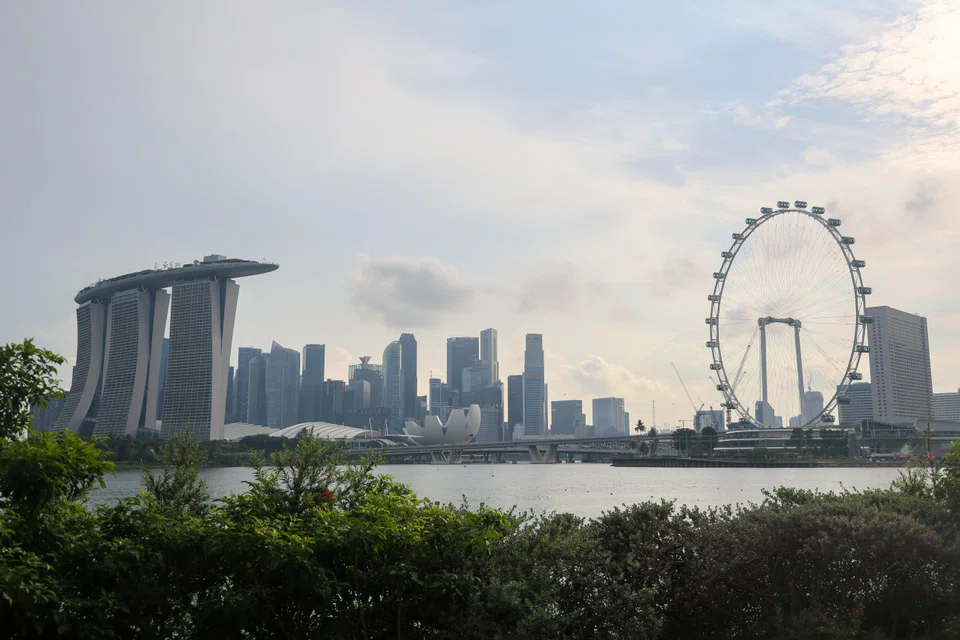
[SINGAPORE] Singapore has retained its position as the world’s most expensive city for high-net-worth individuals (HNWIs) for the fourth year running, based on a report by Swiss private bank Julius Baer.
Asia-Pacific cities strengthened their presence in the rankings, accounting for half of the global top 10, up from three last year. Hong Kong ranked fourth, Shanghai sixth, Sydney eighth and Bangkok 10th.
Globally, Singapore ranked ahead of Zurich and Monaco, which placed second and third, respectively.
The Republic’s continued lead was driven by the high cost of residential property and cars – the two items that carry the heaviest weightings in Julius Baer’s Lifestyle Index – as well as the strength of the Singdollar.
Singapore ranked as the world’s most expensive city for cars and placed third globally for residential property.
“The strong currency, alongside a stable political system and resilient economy, reflect the relative stability and appeal of Singapore in an uncertain world,” the report said.
Several Apac cities ranked among the most expensive globally for other goods and services. Hong Kong was the most expensive city for legal services while Shanghai topped the ranking for fine dining.
Apac has also become the most expensive region to obtain an MBA.
The Julius Baer Global Wealth and Lifestyle Report 2026 surveyed 360 HNWIs globally.

Apac remains global affluence powerhouse
The growing dominance of Asia-Pacific cities in the rankings comes as the region continues to outpace the global economy. Julius Baer expects its regional gross domestic product to grow 4.5 per cent in 2026, well above the global average of 2.9 per cent.
The report pointed out that technology-led cities appear to be pulling ahead, while markets more reliant on traditional industries are changing more gradually.
Even as Apac becomes home to some of the world’s most expensive cities for the wealthy, price growth across the region remained below the global average.
Average prices in Apac rose 7.4 per cent in US dollar terms, compared with the global average increase of 10.2 per cent. The report noted that currency appreciation in other regions played a larger role in driving global price increases than local inflationary pressures within Apac.
Investors diversify amid uncertainty
Wealth accumulation remained resilient in Apac, with 90 per cent of HNWIs surveyed reporting an increase in assets over the past 12 months. At the same time, investors took a more active approach to portfolio adjustments amid geopolitical and macroeconomic uncertainty.
More than 73 per cent of Apac respondents said they had increased diversification over the past 12 months. Among them, 53 per cent added precious metals as a hedge, while 46 per cent broadened the geographic spread of their portfolios.
Chris Irwin, head of FX and precious metals trading Asia at Julius Baer, said gold has become more strategically important in private portfolios.
“In a world increasingly shaped by geopolitical alignment and financial sanctions, gold’s virtues are straightforward and practical. It is liquid, politically neutral and free of counterparty risk,” Irwin said.
He added that sustained buying by central banks has reinforced gold’s role as a monetary asset and shifted how private investors view precious metals, encouraging them to treat the asset class as a more strategic component of their portfolios.
Health spending remains a priority
Health-related expenditure was one of only two categories to rise across all regions globally, alongside leisure travel, reinforcing the view that “health is the new wealth”, the report said.
In Apac, 58 per cent of respondents planned to increase spending on healthcare over the next 12 months, compared with 33 per cent in Europe and 40 per cent in North America.
The report noted that the impact of the ongoing situation in the Middle East was not reflected in the findings, as data collection and fieldwork for the survey ended by early March.
Sophie Altermatt, an economist at Julius Baer, said geopolitical risks, persistent protectionism and fiscal vulnerabilities continue to cloud the global outlook.
“What is clear in 2026 is that the world continues to be a complicated place, and uncertainty remains at a very high level,” said the report. “In this environment, stable cities and countries become even more attractive.”
Decoding Asia newsletter: your guide to navigating Asia in a new global order. Sign up here to get Decoding Asia newsletter. Delivered to your inbox. Free.
Share with us your feedback on BT's products and services
TRENDING NOW

Singapore identifies 7 firms responsible for haze fires, notices issued urging action: Grace Fu

Philippine power giant First Gen rebuffs foreign offers, plans up to US$2.6 billion in expansion
DBS remains analysts’ pick ahead of Q3 earnings after Singapore banks’ share slump
Indonesia imposes US$116 million in fines over manipulation of Sinar Mas, Prajogo-linked stocks

