

Singapore shares end Monday in the red amid mixed regional showing
Navene Elangovan
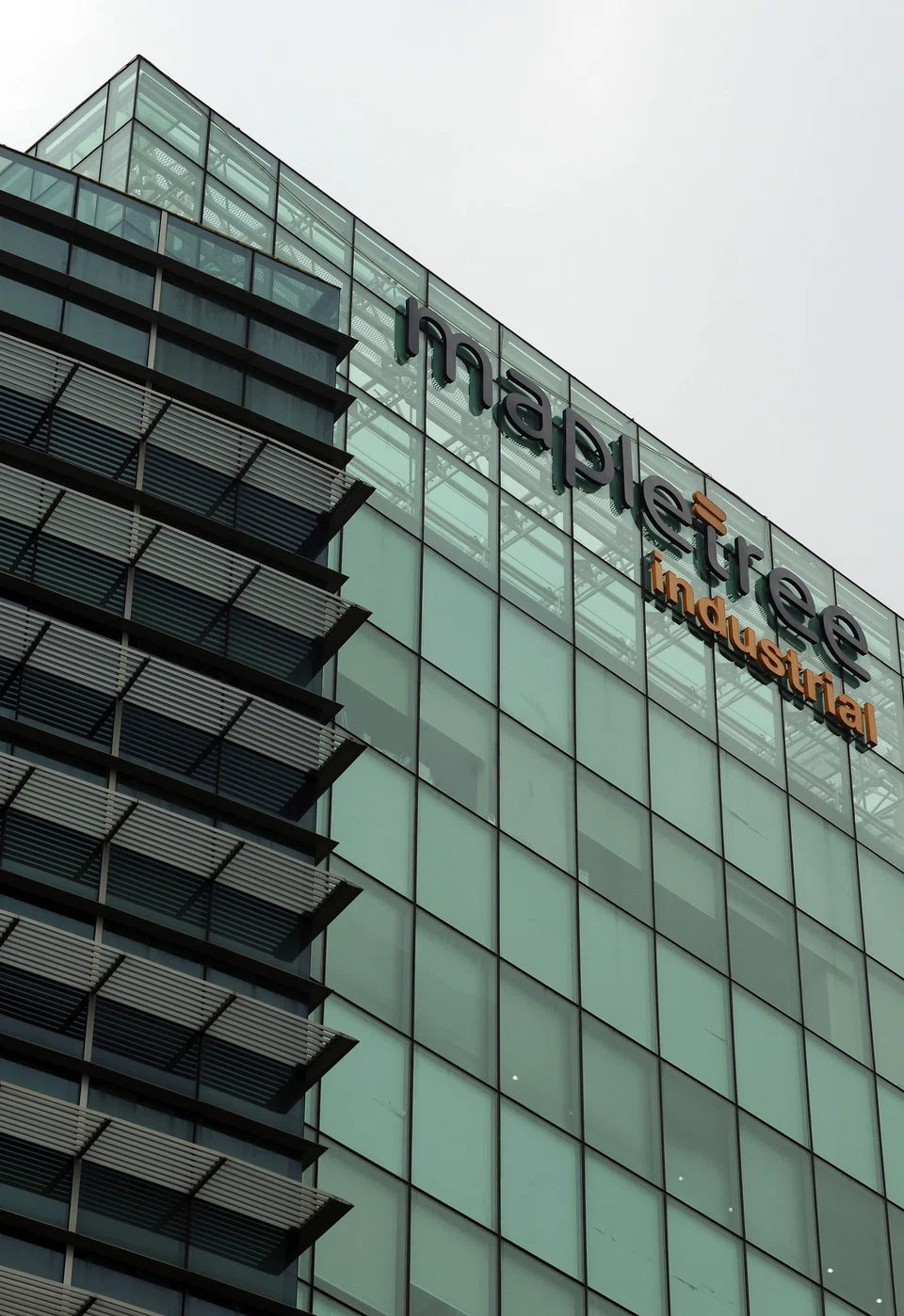
SINGAPORE stocks ended in the red on Monday (Jan 22) amid a mixed showing in regional bourses.
The Straits Times Index (STI) shed 0.1 per cent or 3.17 points to close at 3,149.12. Across the broader market, decliners outnumbered advancers 328 to 224 after 1.4 billion securities worth S$910.1 million changed hands.
The biggest gainer on the STI was real estate investment trust (Reit) Mapletree Industrial Trust , which gained 2.1 per cent or S$0.05 to close at S$2.46.
At the bottom of the index was offshore and marine group Seatrium , which fell by 4.5 per cent or S$0.005 to close at S$0.107. Its shares were also the most actively traded by volume for the day, with 434.4 million shares worth S$47.5 million changing hands.
Markets ended mixed across the region. South Korea’s Kospi was down by 0.3 per cent while the Shanghai Composite Index fell by 2.7 per cent. On the other hand, Australia’s ASX 200 and Japan’s Nikkei 225 Index ended in the black.
Stephen Innes, managing partner at SPI Asset Management, said in a note that Chinese stocks were hovering around five-year lows amid foreign capital outflows and a declining yuan. He added that this has heightened pressure on Beijing to take action.
“However, policymakers are cautious due to concerns about (an) increased debt load and fears of triggering foreign exchange outflows,” said Innes.
Meanwhile, Charu Chanana, market strategist at Saxo, expects the Japanese yen’s bearish bias to stay, although intervention risks could “cap gains” in the currency exchange rate between the US dollar and the yen.
She added that the yuan and Australian dollar could be supported ahead of the Chinese New Year in early February.
TRENDING NOW
One-third of Singapore-listed firms at risk in severe AI downturn: MAS
‘Not done’: Keppel CEO Loh Chin Hua transformed the group, but says there’s ‘still a lot to do’

He built the Vingroup empire. Now South-east Asia’s richest man is handing some key roles to his sons
‘We don’t want to stay as we are’: CEO Patrick Ng builds a more resilient Huationg

