Singapore stocks fall on Monday; STI down 2.2%
Across the broader market, losers beat gainers 554 to 144 after 2.1 billion securities change hands

[SINGAPORE] Singapore stocks ended lower on Monday (Mar 23), mirroring regional peers.
The benchmark Straits Times Index (STI) lost 2.2 per cent or 107.57 points to finish at 4,841.30. Meanwhile, the iEdge Singapore Next 50 Index gained 0.1 per cent or 1.2 points to 1,465.98.
Across the broader market, losers beat gainers 554 to 144, after 2.1 billion securities worth S$2.8 billion changed hands.
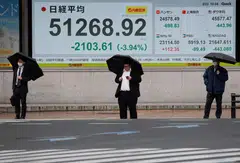
Key regional indices were negative as both Hong Kong’s Hang Seng Index and Japan’s Nikkei 225 lost 3.5 per cent. South Korea’s Kospi was also down, shedding 6.5 per cent.
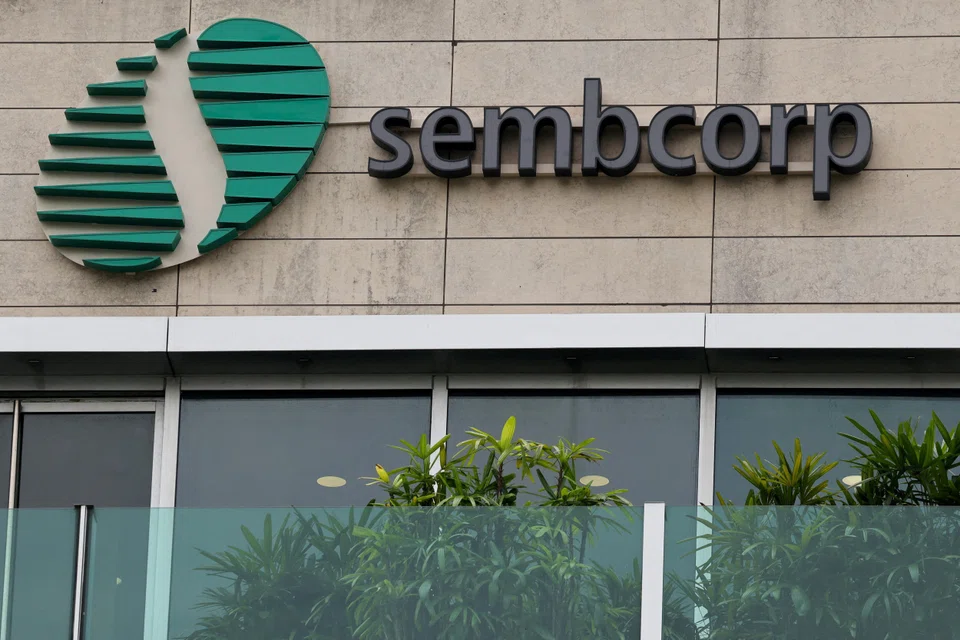
Sembcorp Industries was the only gainer on Singapore’s blue-chip index, rising 2.6 per cent or S$0.16 to end at S$6.31.
The worst performer among STI constituents was Singtel, falling 5.4 per cent or S$0.28 to close at S$4.93. The telco was once again hit with user reports of disruption on Monday after three consecutive days of issues last week.
The local banks all ended lower. DBS lost 1.7 per cent or S$0.98 to S$56.42, OCBC fell 1.7 per cent or S$0.37 to finish at S$21, and UOB was down 2.2 per cent or S$0.80 at S$36.38.
Within the iEdge Singapore Next 50 Index, Frencken Group was the biggest decliner, falling 7.2 per cent or S$0.15 to S$1.93. There were no gainers on the index on Monday.
Markets are increasingly pricing in higher inflation and slower growth aside from energy disruption, said Neil Wilson, market strategist at Saxo. Now, markets are also expressing war fears through stocks and bonds other than crude and gas prices, as bond markets roiled last week.

The markets are starting to wake up to the gravity of the potential for long-term impact on energy markets.
“I’ve repeatedly stressed that markets were under-pricing the risks for a variety of reasons and showed a degree of complacency about the war, but markets are starting to take notice,” said Wilson.
Decoding Asia newsletter: your guide to navigating Asia in a new global order. Sign up here to get Decoding Asia newsletter. Delivered to your inbox. Free.
Copyright SPH Media. All rights reserved.