

Singtel needs digital bank licence to be major e-payment player

Annabeth Leow
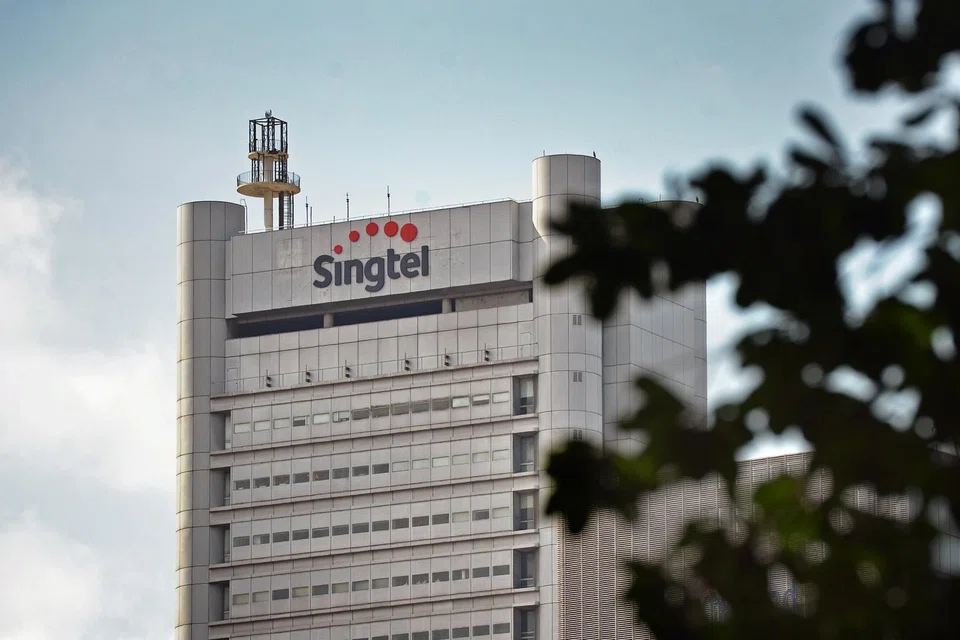
SINGTEL and OCBC Bank - two blue chips that are no strangers to each other - moved on Monday to link their digital wallet platforms.
The payments tie-up between Singtel Dash and OCBC Pay Anyone is expected to extend, by early next year, to a Singtel-led network that is already in Japan and Thailand and will soon be in Malaysia and Indonesia as well. (see amendment note)
Being on the cusp of its digital bank ambitions is well and good. But Singtel needs to do more, by offering shareholders greater insight into how the mobile wallet business has added consumer pizzazz since Dash's launch in partnership with Standard Chartered Bank - way back in 2014.
The variegated South-east Asian financial services space has left Singtel, a regional telecom player, with a bifurcated mobile payments strategy. The billion-dollar question is how it can bring those two arms - the regional and the local - together.
The Singapore-based telco has not ruled out bidding for one of the five new digital bank licences that the Monetary Authority of Singapore has put up for application by year-end.
But that pool of potential customers is very different from the unbanked and the under-served middle-class consumers who make Asean a lucrative e-payments playground.
Arthur Lang, Singtel's international group chief, said cheerily in the FY2019 annual report that "as we expand its merchant network and add more services, Dash is evolving into an app for all our customers' everyday financial and lifestyle needs".
"Our associates are also executing similar strategies with their own mobile wallets," Mr Lang added, alluding to partners such as Globe in the Philippines and Telkomsel in Indonesia.
Yet such a comparison - between Singapore and its regional neighbours - is not really apples to apples.
Morgan Stanley Research reported last year that e-wallets in more developed Asean markets could be revenue-neutral for telcos, no thanks to options like inter-bank FAST in Singapore and PromptPay in Thailand.
EY also found that the share of respondents who picked mobile financial services in their top three sources to revenue growth fell from 29 per cent in 2015 to 11 per cent in 2017.
The slow traction is definitely not for want of trying. Singtel has thrown more and more weight behind Dash, with a regional VIA Alliance that includes Japanese fintech company Netstars, which provides merchants with a platform that accept payments from Line, Rakuten and other popular mobile wallets, and Thailand's Kasikornbank. (see amendment note)
But, on home ground, promotions such as the strategic partnership in June with ComfortDelGro Taxi - dangling 1 GB of free local mobile data for at least five taxi ride transactions a month - still feel like the baby steps of a greenhorn grasping for market share.
Morgan Stanley expects the number of telco e-wallet users here to grow from about 600,000 in 2018 to 1.5 million in 2022, but the market will be limited by the plethora of cashless payment options, including credit cards.
Yet, unlike the case of mobile wallets, Singtel's prospects for a full-fledged digital bank in Singapore are rosier. The regulatory landscape is comparable across both telecom and financial services, given the stiff know-your-customer requirements, and a heavyweight like Singtel has more resources for compliance than startups and newer entrants.
Flexibility and openness
Singapore regulators' flexibility and openness may also make it easier for a telco to be a bank, too - in contrast with the rest of the world, where, one source told EY in 2017, "there are lots of legacy regulations in payments that prevent us from going full-blown on mobile financial services".
It is true that as long as Singtel's product is a telco e-wallet, it will struggle to gain ground at home. But a two-pronged approach does not mean having a split personality.
Goodwill from Singapore consumers and contributions from regional associates' wallets could make for tasty icing on a digital bank cake.
After all, the Morgan Stanley analysts also concluded that "Indonesia and the Philippines have the largest potential value for telco e-wallets" within the region - and Singtel has a strong presence in those countries.
Even if the e-payment market on its home turf proves revenue-neutral, data insights are always welcome.
Value-added services such as overseas remittances, peer-to-peer transfers and tourist spending by Singaporean travellers in the Asia-Pacific could also help to retain fickle consumers in the more precarious core business - the mobile market - where the price war will take a few years to resolve.
Still, the stakes are high for how Singtel will make its pitch for the digi-bank licence and whether it will clinch the golden ticket. With Dash in hand, Singtel has been inching down this road for years. As the licence deadline looms, it is now time for the telco giant to step up from being a financial midget.
Amendment note: An earlier version of this article incorrectly stated that Singtel's VIA Alliance is operational in Malaysia and Indonesia. While expansion plans have been announced, the network is not yet available in these markets. The article also incorrectly stated that the VIA Alliance includes Line Pay and Rakuten Pay in Japan. These wallets are actually accepted through a partnership with Japan's Netstars payment platform.






