

Singtel Q1 earnings fall 24.2% on 'intense' competition, travel curbs

Vivienne Tay
Singapore
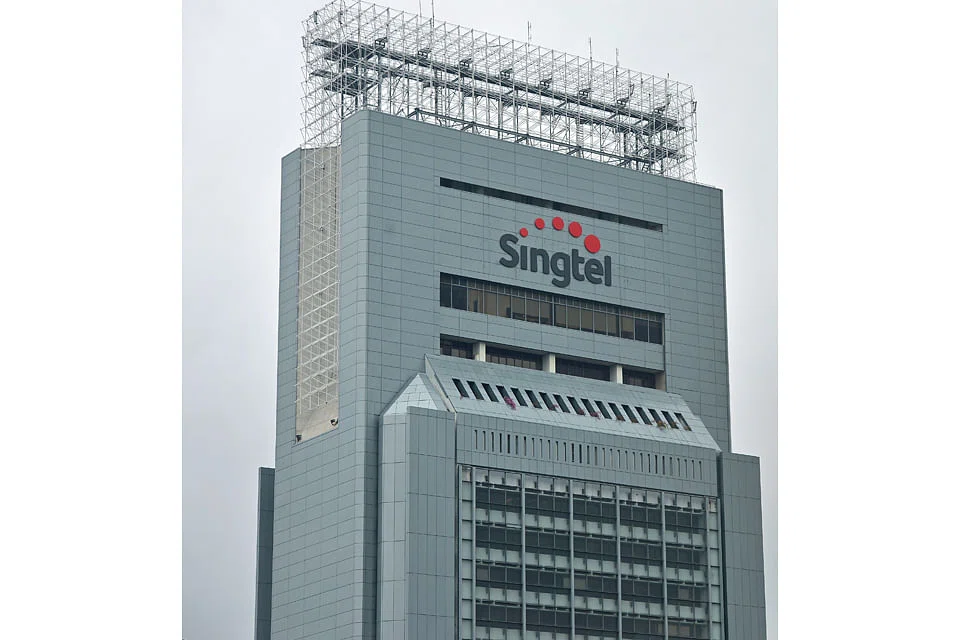
SINGAPORE Telecommunications (Singtel) suffered a hit to group revenue and earnings before interest, tax, depreciation and amortisation (Ebitda) for the first quarter ended June 30, 2020.
Ebitda was down 24.2 per cent to S$897 million from S$1.18 billion a year ago, it said in a business update on Monday. Excluding National Broadband Network (NBN) migration revenues, Ebitda dropped 27 per cent to S$797 million from S$1.09 billion a year ago.
Meanwhile, group revenue fell 13.9 per cent to S$3.54 billion from S$4.11 billion a year ago. Excluding NBN migration revenues, group revenue dropped 14.4 per cent year on year to S$3.44 billion, from S$4.02 billion.
Roaming and prepaid mobile revenues and equipment sales were "severely impacted" by travel and movement restrictions and lower footfall in retail stores. The global economic slowdown also dampened both consumer and business spend.
Some of the group's information and communications technology projects were deferred or delayed, resulting in increased project costs and slower billings. These factors, together with "intense" price competition across markets and declines in carriage revenues, led to the falls in Ebitda and group revenue.
In a research note, Citi analysts Arthur Pineda and Hussaini Saifee said Singtel is proving to be less defensive as compared with most of its Asean telco peers.
Operating revenue in the group's Singapore consumer segment fell 21.6 per cent to S$406 million with the "circuit-breaker" measures in April and May. A sharp fall in roaming and lower prepaid usage led to a decrease in mobile service revenue. Ebitda fell 13.9 per cent after including S$17 million of Jobs Support Scheme credits.
The group's Australia consumer segment's operating revenue fell 13.3 per cent to S$1.6 billion. This came as mobile service revenue declined, due to lower roaming, late payment fee waivers and credits to frontline healthcare workers. Higher SIM-only customer mix and continuing price competition were also factors for the drop in mobile service revenue.
Singtel's enterprise business saw operating revenue dip 4.5 per cent to S$1.38 billion due to continued declines in carriage services and weak business sentiment.
Operating revenue for the telco's group digital life segment nearly halved to S$153 million from S$301 million a year ago. This was due to a drop in Amobee's revenue and the cessation of Hooq's business.
Amobee - Singtel's digital marketing arm - saw a drop in revenue due to a "significant cutback" in advertising spend by customers as a result of Covid-19, and a reduction in TV revenue following the licensing of its technology platform to ITV from July 2019.
Hooq Digital, a joint-venture firm in which Singtel has a 76.5 per cent effective interest, commenced a creditors' voluntary winding-up in March 2020 and had to sack its global workforce of 240 people across six markets, including about 98 in Singapore.
Shares of Singtel closed at S$2.40 on Monday, down S$0.04 or 1.6 per cent.
TRENDING NOW

Temasek’s Wan Chee Foong to helm PIL, Lars Kastrup to be board adviser

Chagee, Mixue and Luckin won the market. Sustaining their edge is the harder part

He built the Vingroup empire. Now South-east Asia’s richest man is handing some key roles to his sons

One-third of Singapore-listed firms at risk in severe AI downturn: MAS

