

New career paths, deeper client bonds: How SME founder made AI serve her employees, not replace them
At digital solutions firm Business Buddy, staff picked up new skills and took on redesigned roles that gave them greater scope to grow
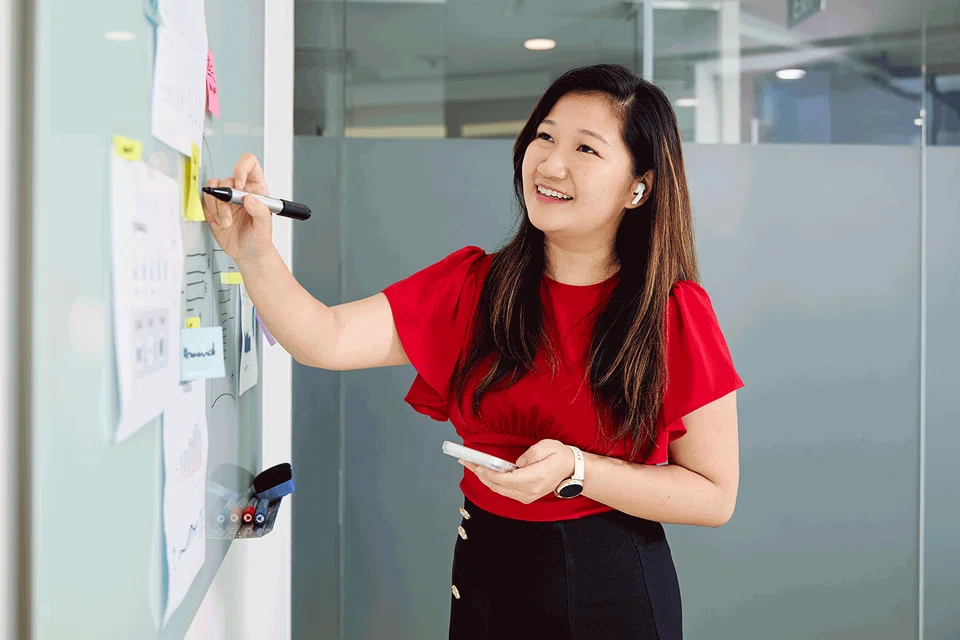
THE conversation around AI at work is often framed in one blunt question: Which jobs will it make redundant?
For business founder Raine Goh, a more useful question is: Which parts of the job should AI take over, so people have more time for work that needs judgment, empathy and trust?
Find out how small and medium-sized enterprises can use AI to move staff into more meaningful work in this Suite Talk episode.
“My philosophy is to use AI to take away the boring work, so that we have more time to build human relationships,” says the owner of digital solutions firm Business Buddy.
“Take quotations, for instance,” she says. “What used to take my consultants over a week now takes about an hour. That time goes back to the client relationship – which is where it should always have been.”
Since founding Business Buddy in 2013, Goh has looked for ways to remove repetitive tasks from her workday, even experimenting with machine learning before generative AI became part of everyday business conversation.
So when tools like ChatGPT came to the fore in 2022, she saw an opportunity rather than a threat.
“I was very excited because it’s already pre-trained on the world’s data,” she says. “You don’t need to feed it any data the way you do for machine learning; you just need to customise it in order to make it work for you.”
The business gains followed quickly: higher revenue, faster turnaround times, leaner processes – with AI absorbing the grind for tasks including code writing and content drafting.
But the change that mattered most to Goh was in her employees.
She used AI to help redesign their job scopes – not by asking what the technology could do, but by asking what each person already did well. The result was a workforce that stayed relevant as technology reshapes work at a pace few businesses are prepared for.
Not letting AI take over jobs
Rather than pit her people against AI, Goh moved them decisively towards work where humans have the edge: reading context, building trust and understanding what clients really need.
With AI handling routine reports and basic troubleshooting, her consultants have more time for relationship-building and “more exciting conversations” on how clients could improve their business.
Likewise, business development managers like Yvonne Wu have embraced AI in much the same way.
“As I began using AI, I realised that it was not replacing the value I bring to my work. Instead, it became a tool that helps me work faster, think more widely, and focus on areas where human judgment, communication and understanding of clients are still very important,” she says.
Wu now has more time to listen to clients’ needs, and explain, test and ensure solutions fit their workflow.

Goh’s content writers, on the other hand, are now known as prompt writers, trained to give AI tools instructions on what to create and produce.
Citing a recent project building an AI customer-service agent, her writers no longer just produce copy – they shape the brief, define the tone and determine the intent behind every AI output.
That meant teaching the agent to recognise when a frustrated customer needs to feel heard before they need an answer, or when a long-standing client would bristle at a response that feels too formal or too fast.
“AI shouldn’t replace a human,” says Goh. “If anything, it should make us more human.”
Getting over the fear of AI adoption
But for her team to see AI as an enabler rather than a threat, Goh had to first address their fears. The challenge, it turned out, was the mindset, not the technology.
“Getting people to change what they were so used to doing was the trickiest part,” she says.
To ease them in, she rolled out AI training across the entire team. The goal was to build familiarity and curiosity first, before introducing change.
For Wu, the room to learn at her own pace helped.
“Having the freedom to explore AI this way helped me see it as a helpful partner rather than a threat,” she says. “I think the moment it really clicked for me was when I saw how much time it could save on routine tasks while still leaving me in control of the final decisions.”
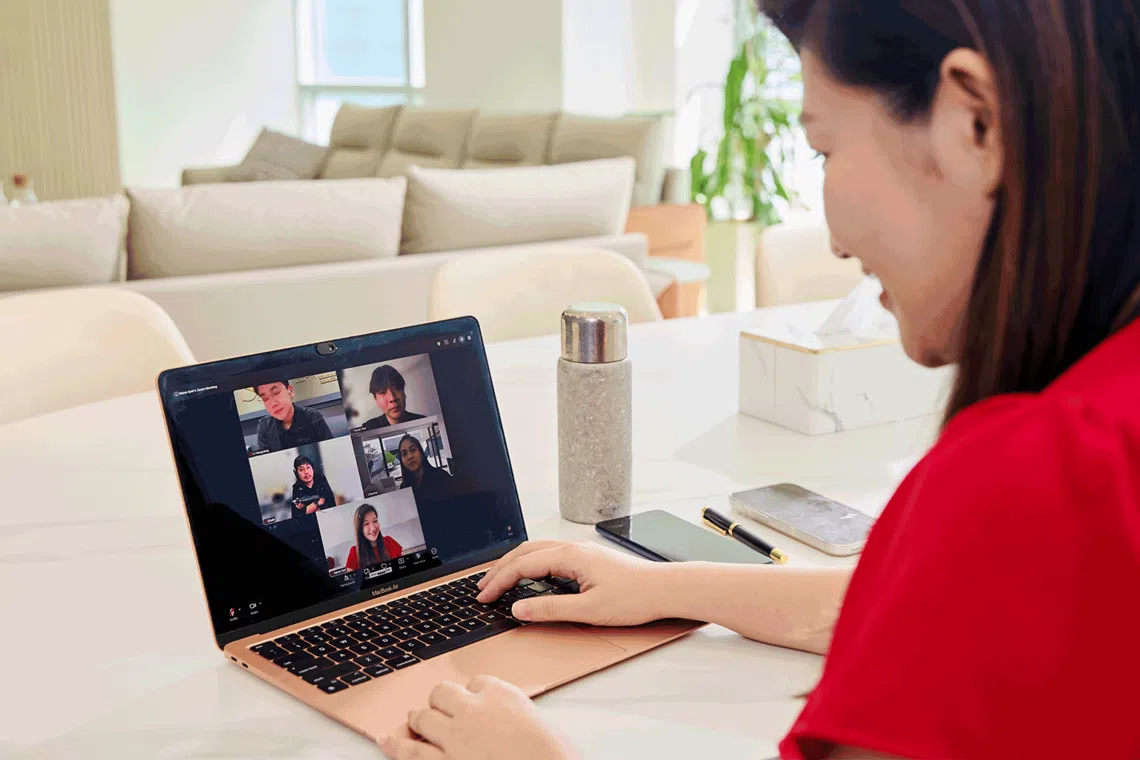
What mattered most, Goh says, was willingness to learn.
“People think, ‘Oh, with AI now, you can phase people out.’ But I don’t think that’s true,” she says. “I would rather work with people who have been with me for a long time.”
Not everyone stayed through the transition. Some staff chose to move on. For those who stayed and embraced change, they found new ways of working and alternative career paths they had not previously considered.
The learning has not stopped since. Every few weeks, staff receive short online lessons on a new tool or a sharper way of working.
“When something is unknown, it’s scarier,” she says. “Once they know how they can contribute in this new world, that fear goes away.”
As AI continues to reshape work and transform businesses, she hopes more SME owners will see technology not as a reason to replace people, but as a chance to help them do more meaningful work.
“The first step is always the hardest,” she says. “But once you’ve taken it, you enjoy it even more.”

Share with us your feedback on BT's products and services
TRENDING NOW

First Resources blames El Nino, outside fires for Kalimantan hotspots amid haze scrutiny

High Court rules against Julius Baer’s Singapore trust arm in US$50 million family trust dispute

Singapore key exports jump by higher-than-expected 68.4% in September, led by non-electronics
MSCI proposes downgrading Indonesia to standalone market status

