

Sony plans US$1.5 billion buyback after warning of weak demand
 Add BT as a preferred source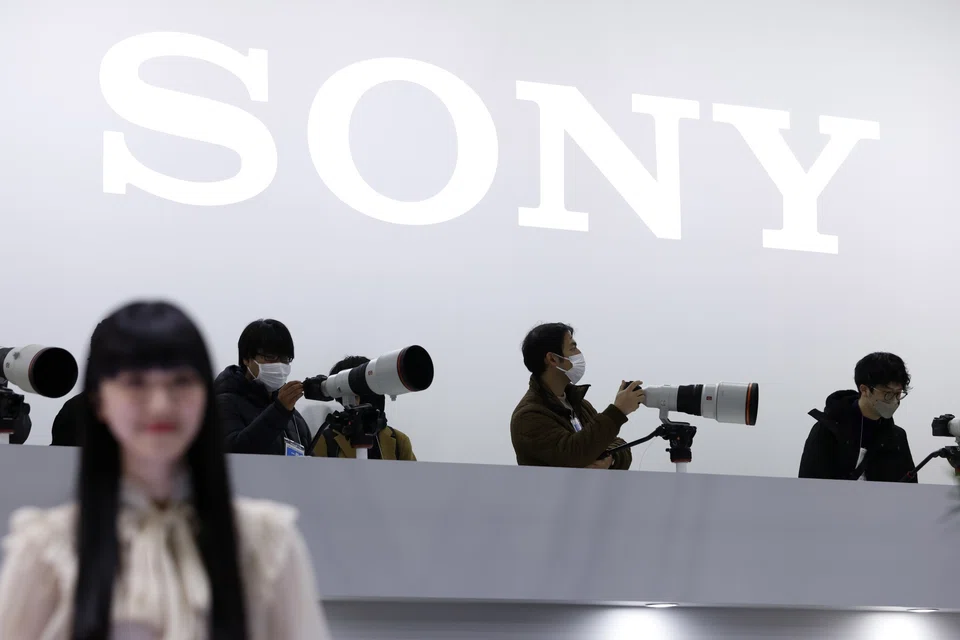
DeeperDive is a beta AI feature. Refer to full articles for the facts.
SONY Group plans a buyback of up to 2.03 per cent of its shares over the next twelve months, after warning of headwinds ahead from a slump in global consumer spending.
Tokyo-based Sony joins a long list of Japanese firms executing buybacks in recent weeks. The electronics and entertainment firm said it will spend as much as 200 billion yen (S$2 billion) to buy a maximum of 25 million of its shares.
Sony’s stock price reached a 52-week high this week, amid a wider rally in Japanese stocks. Its shares closed up 0.6 per cent ahead of the announcement on Wednesday (May 17) .
Share buybacks in Japan remain at record levels, with investors expecting more to follow as the country’s stock exchange pushes companies to lift their market values. Meanwhile buybacks in the US have slowed. Companies from trading house Mitsui to industrial conglomerate Hitachi to utilities firm Tokyo Gas have announced plans to purchase their own shares this year.
For Sony, Wednesday’s move continues a string of buybacks it’s done in recent years. The PlayStation game console maker also announced 200 billion yen share purchase programmes in 2022 and 2021.
The company warned at its earnings results last month it would sell fewer PlayStation Studios games this fiscal year. The world’s largest maker of smartphone image sensors expects the global mobile market to remain depressed for the next year, according to chief operating officer Hiroki Totoki. BLOOMBERG
Decoding Asia newsletter: your guide to navigating Asia in a new global order. Sign up here to get Decoding Asia newsletter. Delivered to your inbox. Free.
Share with us your feedback on BT's products and services
TRENDING NOW

Vietnam formalises new state leadership, redefining ‘four pillars’ power balance
‘Largest Singapore commercial S-Reit proxy’: analysts say buy CICT shares after Paragon acquisition

From 1MDB to ‘corporate mafia’: Is Malaysia facing a new governance test?
Why where you park your joint venture matters: Lessons from a US$689 million shareholder dispute

