SPACs' impact on Singapore market will depend on their long-term performance
Singapore
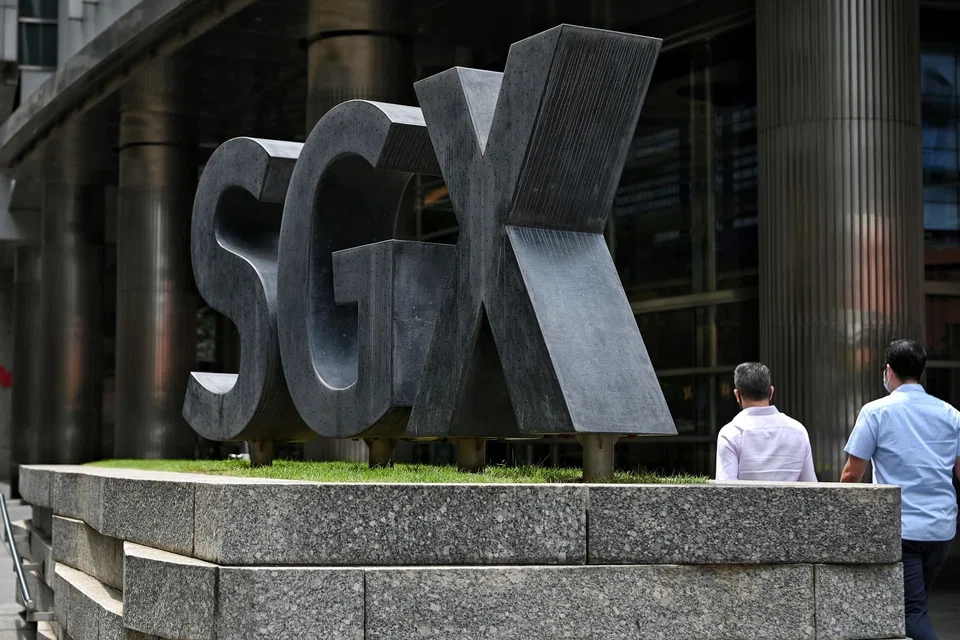
THE introduction of special purpose acquisition companies (SPACs) in Singapore is a positive development for the local market but not a magic bullet, industry leaders said.
The real test of whether the listing structure will give a fillip to Singapore's equity markets depends on the quality of targets, and sponsors' ability to deliver returns to stakeholders in the long-run.
These were some views from C-suite executives in Views from the Top - a weekly feature in The Business Times that collates responses from corporate leaders on topics relevant to their businesses.
Gail Ong, head of the equity capital markets practice at WongPartnership, noted "tremendous interest" from both local and international sponsors to list SPACs on the Singapore Exchange (SGX).
"Within a short span of a few months, 3 SPACs have already been listed on the SGX. I expect more to list this year, with more sponsor diversity and targeting business combinations in a wider range of sectors."
Meanwhile, Eng Thiam Choon, chief executive officer at Tiger Brokers (Singapore), said the inclusion of SPACs gives investors a fresh perspective on Singapore's equity market, which is known to investors for having stable dividend-yielding companies. It can provide investors exposure to growth opportunities that many are seeking from overseas equity markets.
Jeffery Tan, group general counsel at Jardine Cycle & Carriage, noted that SGX has succeeded in developing and growing a real estate investment trust market from scratch.
"In the same vein, it can certainly have the same degree of success with a focused, targeted approach that seeks to educate investors, build a steady pipeline of SPACs and distinguish itself as the premier, go-to market for global SPACs investment."
At the same time, industry leaders warned of risks and longer-term considerations.
Said Resource Law associate director Michael Kwan: "It is still early to tell whether SPACs listing per se will rejuvenate our equity market, given that the real action only begins when the SPACs announce their de-SPAC targets."
SPACs listed here have up to 2 years to identify a target business for what is known as a business combination - injecting the business into the listed entity.
The quality of target companies has become a key question amid the recent SPAC boom in the United States.
Said Chuin Ting Weber, CEO at MoneyOwl: "The recent tech rout in the US was brutal for SPACs, demonstrating not the problem with the SPAC structure as such, but the fragility of their target businesses, which have almost invariably been pre-profit, even pre-revenue, cash-burning start-up companies."
The longevity of innovative, short-cut structures like SPACs will ultimately depend on who and what goes into them, she added. "For investors, as always, it's caveat emptor."
Callum Laing, chief executive of investment holding company MBH Corporation, noted that many investors have been left nursing losses after last year's SPAC euphoria in the US.
"As the SPAC window shuts, you will see more and more deals presented that do not stand up to scrutiny. SPACs may attract headlines, but fundamentals transcend fashion," he said.
David Kuo, co-founder of The Smart Investor, said the "litmus test for Singapore's experiment with SPACs is whether private investors will be able to make money".
He noted that there are questions on whether there are enough good quality fledgling companies that deserve to be listed. A worry is that SPACs might be lucrative for sponsors and owners of the company being acquired, but could be less attractive for private investors.
Others said sponsor quality and regulatory safeguards could provide investors with some comfort.
Ho Cheun Hon, head of South-east Asia equity capital markets at Credit Suisse, noted encouraging signs in the first vintage of SGX SPACs, including sponsors going beyond the minimum regulatory requirements to put skin in the game, broad investor interest, and differentiated SPAC investment strategies.
"These factors enhance the likelihood of eventual business combinations resulting in high-quality listed companies in interesting sectors with broad-based public shareholding and the ability to deliver returns to stakeholders subsequent to the de-SPAC." he said.
Chua Kee Lock, chairman of Vertex Technology Acquisition Corporation - Singapore's first SPAC - also highlighted the importance for sponsors to align interest with the long-term success of the SPAC.
He said: "Given the diversity of high-growth technology companies in the region and beyond, we believe there is tremendous potential for Singapore SPACs to reach de-SPAC stage, further enhancing the vibrancy of the local bourse."
Beyond SPACs, there are also other recent initiatives such as funds and grants from the government to boost the local equity markets.
Chia Tek Yew, vice chairman, Singapore, at Oliver Wyman noted that founders and investors would also be considering factors such as valuations and post-listing volume when deciding where to list.
"I do not believe that SPACs would be the silver bullet to create new excitement in the local market," he said, adding that Singapore should also develop ideas on how to direct more liquidity into the local market to make an SGX listing attractive - with or without SPACs, grants and government funds for pre-IPO activities.
A potential consideration could be to encourage pension funds such as CPF to invest retirement funds back into the local capital market as opposed to a single asset class of Singapore Government Bonds.
"This may provide the fillip to the market as the liquidity injection will create the demand for existing stocks as well as attracting a new supply of new IPOs," he said.
READ MORE: Views from the Top