Cordlife shareholders vote to remove 3 directors, including co-founder Ho Choon Hou, from board
Three other directors proposed by substantial shareholder Nanjing Xinjiekou Department Store are elected to the board


SHAREHOLDERS of embattled private cord-blood bank Cordlife Group voted to remove several directors from its board at the company’s annual general meeting (AGM) on Tuesday (May 14).
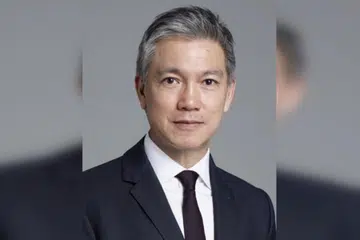
Around 60 per cent of present shareholders voted in favour of resolutions to remove acting chairman Dr Ho Choon Hou and independent director Yeo Hwee Tiong.
Shareholders also voted against the re-election of another independent director, Titus Cheong. He will retire at the end of the AGM.
Meanwhile, three directors proposed by substantial shareholder Nanjing Xinjiekou Department Store were elected to the board. They are Dr Teo Tong Kooi, Dr Xu Tianhong and Cai Yong.
Some 200 million shares of Cordlife’s 256,307,744 ordinary shares were represented at the AGM.
The new composition of the board after the AGM is:
- Zhai Lingyun (non-independent, non-executive director)
- Chen Xiaoling (non-independent, non-executive director)
- Yiu Ming Yiu (non-independent, non-executive director)
- Chow Wai Leong (non-independent, non-executive director)
- Dr Teo Tong Kooi (independent and non-executive director)
- Dr Xu Tianhong (independent and non-executive director)
- Cai Yong (independent and non-executive director)
Shareholders present also rejected resolutions on granting Cordlife’s directors the authority to allot and issue shares, as well as the proposed renewal of the company’s share purchase mandate.
They also voted against approving the payment of directors’ fees of up to S$450,000 for the financial year ending Dec 31, 2024, which would have been payable quarterly in arrears.
After the AGM, Dr Ho, who is also a co-founder of Cordlife, told The Business Times that he hopes the new directors will “commit enough time and resources to carry on the work done” and earn back the trust from customers with a “united front”.
“I am happy that the AGM was conducted with decorum, with views heard from shareholders and questions posed. The board serves at the pleasure of the shareholders and they have cast their votes,” he said.
The FY2023 AGM was one to watch for investors of the beleaguered cord-blood bank, as its two substantial shareholders – TransGlobal Real Estate Group and Nanjing Xinjiekou Department Store – requisitioned separate resolutions to vote out several board directors.
The AGM also follows the company’s six-month suspension by the Ministry of Health (MOH) from collecting new cord blood and human tissue, after the ministry found that seven of Cordlife’s 22 storage tanks were exposed to temperatures above acceptable limits at different periods since November 2020.
Thus far, MOH’s expert panel has found that around 7,500 cryopreserved cord-blood units stored by Cordlife in two tanks and a dry shipper have been damaged or deemed at “high risk of being adversely affected by the temperature excursions”.
Questions on board’s knowledge of lapses
During the AGM, shareholders raised questions about the board’s knowledge of the storage lapses in Cordlife’s cryogenic tanks, which stored their clients’ cord-blood units.
When the board was informed about the storage temperature excursions in February 2023, the lapses were found in only one tank, said Dr Ho.
“What we heard is that only six samples were tested, out of the around 1,800 stored cord-blood units in the tank,” he said. The board then assessed the material impact of the single tank would fall below the threshold required for disclosure.
The management was tasked to assess the tank further, and confirmed to the board in May that year that the tank was affected.
The company then made plans to disclose the issue to affected parents, but was unable to do so before MOH made the announcement of the suspension and damaged cord-blood units in the first tank.
When questioned why the single affected tank was not material enough to disclose to the wider public, Dr Ho said the previous management, led by former group chief executive Tan Poh Lan, was told to “spare no expense” to confirm the tank’s issue, adding that Tan would have been best-placed to answer such a question.
Tan tendered her resignation to “pursue personal interests” in October last year, and her last day was in March.
Cheong, who was also the chair of the audit and risk committee, defended the board’s independent directors by stating that they had pushed for an independent investigation after they found out about the temperature lapse.
“I know there have been words bandied around, like ‘cavalier attitude’... but all of the board were very concerned (about the storage lapses),” he added.
Other questions raised were related to the S$8.2 million private placement, which was terminated after an injunction application by Nanjing Xinjiekou to restrain the company from issuing new shares was upheld by the High Court.
Cordlife had explained that while it had cash and cash equivalents of S$7.1 million as at Dec 31, more than half of it was stored in India and Malaysia, and it did not wish to compromise its operations there by diverting the money to Singapore.
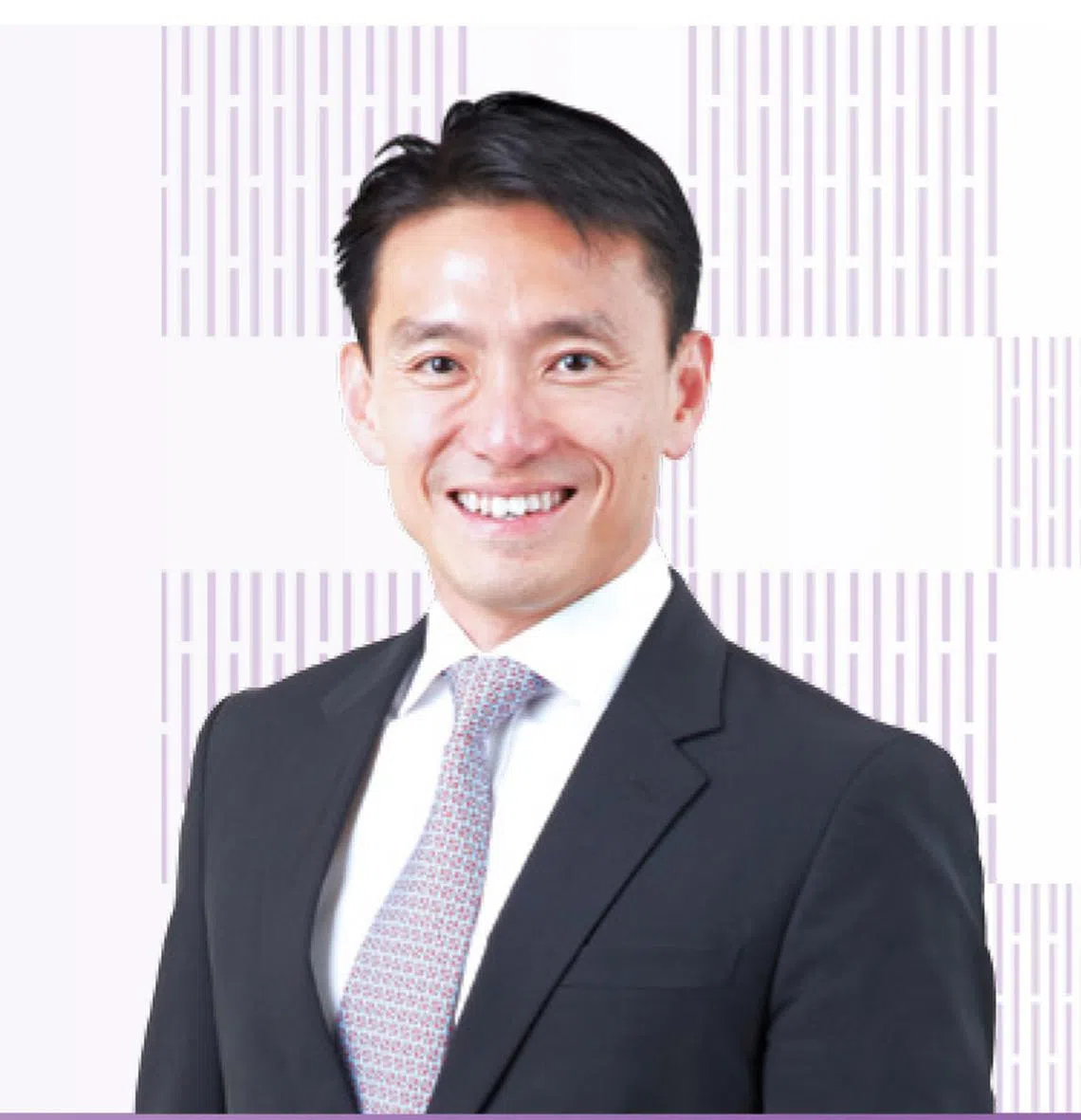
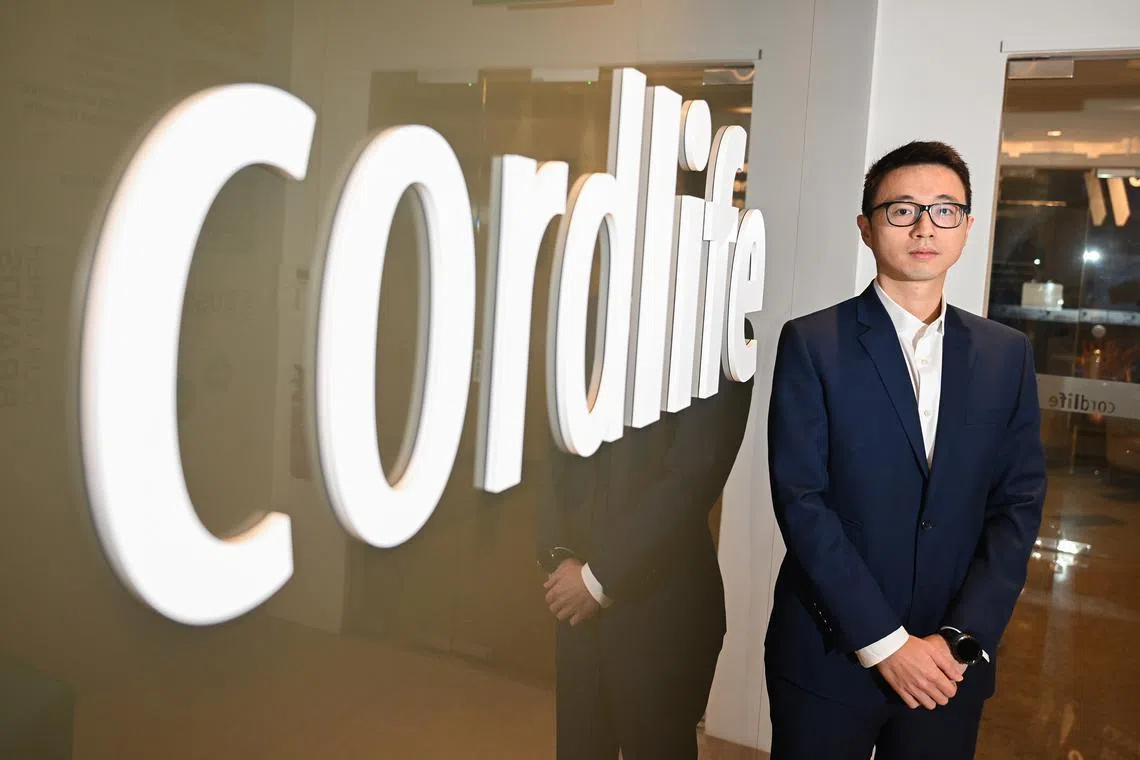
Group chief executive Ivan Yiu said that the company did not opt for debt financing as the banks were scrutinising Cordlife’s accounts. The negotiations with financial institutions, as well as interest costs on higher rates, meant that this route was not feasible for Cordlife, which required the money urgently to address refunds for parents.
New board compliance
A shareholder also asked Nanjing Xinjiekou’s nominee director, Chen Xiaoling, who was present at the AGM, how the new board would be compliant with a notice sent by MOH on May 11.
In the notice, MOH had stressed the importance of Singapore-based directors, who would be able to provide sufficient oversight and directions to the company’s local management and laboratory operations and respond expediently to the ministry’s queries when rectifying lapses.
Chen said that she would be willing to spend most of her time in Singapore, for as long as it was required, to solve the issues faced by the company. She added that one of the proposed directors, Dr Teo, was a Singapore permanent resident.
Shanghai-listed Nanjing Xinjiekou has identified Singapore-based medical professionals who may be willing to join the board, once the “uncertainties” facing the board have been settled, Chen said.
She added that the discussion about the board should not be centred on the issue of where directors are based, and that the board should work together “in unity”.
Nanjing Xinjiekou came into the Singapore public eye in March after it sent a notice, through nominee Phillip Securities, requisitioning an extraordinary general meeting.
The notice included four resolutions concerning the removal of four directors – non-executive, non-independent director Ho, as well as independent directors Yeo, Cheong and Joseph Wong – and appointment of Dr Teo, Dr Xu and Cai to the board.
Wong is the company’s former chairman, who stepped down in February. He had since indicated his intention to retire after the AGM.
Meanwhile, TransGlobal had requisitioned resolutions to remove from the board a Nanjing Xinjiekou-nominated director, Zhai Lingyun, as well as “Shally Chen”, whose Chinese name is Chen Xuanli.
Cordlife tabled the resolution to remove Zhai, but not the one removing Chen as the company said Chen is not listed on its business profile as a director, based on Accounting and Corporate Regulatory Authority of Singapore records as at Mar 27.
Checks by BT found that Chen’s name in her LinkedIn profile was “Xiaoling Chen”, and was spelt as such in Cordlife’s annual reports.
A spokesperson for Cordlife Singapore later confirmed to BT that the name difference was the reason why the resolution was rejected.
After Nanjing Xinjiekou’s resolutions were passed, TransGlobal nominee director Yiu Ming Yiu asked to withdraw all of TransGlobal’s resolutions. The resolution to remove Zhai was therefore not voted on.
Cordlife called for a trading halt after the AGM. Its shares were flat at S$0.128 as at 1.14 pm, when the halt was called.