

US Fed ‘less hawkish’ than expected; Singapore banks, net cash companies likely to outperform
The pace of policy tightening will likely remain dependent on US inflation rates in the coming months

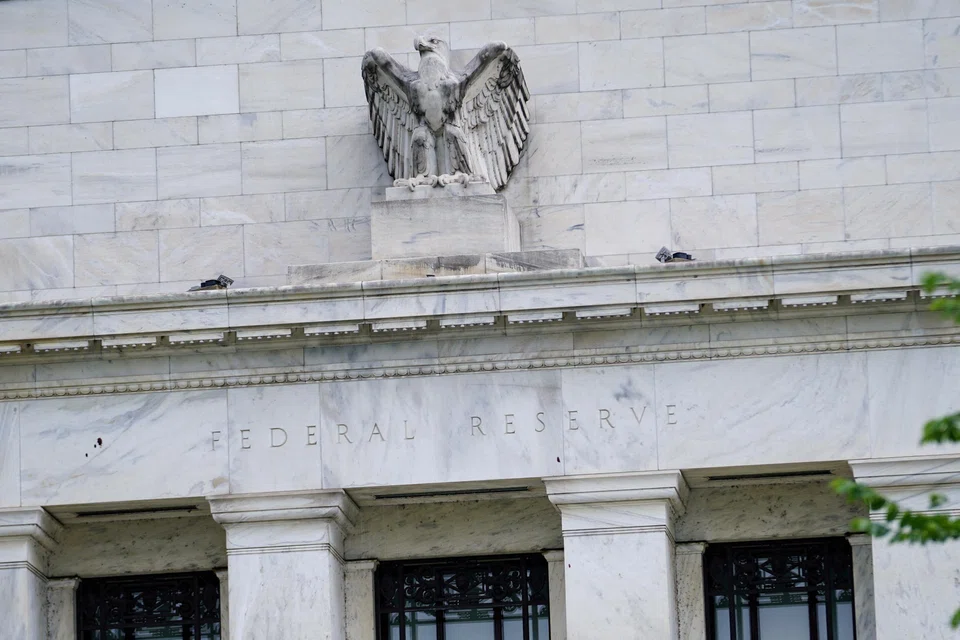
GLOBAL financial markets may be heaving a sigh of relief for now as analysts believe that the US Federal Reserve has shown some restraint and appeared to be less hawkish than expected.
In a widely expected move, the US Federal Reserve held interest rates steady overnight on Wednesday (May 1).
IG market analyst Yeap Jun Rong noted that the Fed appears to have shown a higher threshold for additional rate hikes despite the recent run in persistent inflation. Fed chair Jerome Powell said that further rate hikes remain “unlikely”.
“That may offer some calm that policy settings will not get more restrictive,” Yeap said.
Powell’s remarks also seemed “less hawkish than what markets were expecting”, he added.
Market rate expectations for potentially just one 25-basis-point rate cut in 2024 may also have been anchored by the Fed’s desire to see a stronger disinflationary trend before it considers rate cuts, he said.
However, ING Bank analysts remain more bullish on rate cuts and expect that first cut to happen in September, with two further cuts in November and December.
They cited weakening business sentiment and employment surveys that suggest slower hiring in the coming months as potential reasons for easing monetary policy later this year.
JP Morgan Asset Management Asia-Pacific market strategist Tai Hui noted that the Fed appears to remain biased towards rate cuts, but any policy easing will be dependent on how inflation develops over the next few months.
“Indeed, since 1980, following a hiking cycle and prolonged pause, the committee has never restarted rate hikes again, suggesting there is a very high bar to do so this time around,” he said.
Furthermore, he expects the Fed to cut rates by one to two times this year, with risks skewed to fewer cuts.
“While inflation seems sticky, it’s not ‘sticking’ at a level that is causing a surge in wages, eroding consumption, or lifting inflation expectations, comfortably putting stagflation fears to rest,” he added.
As for investors in Asia, Hui said that a strong US dollar has not prevented key Asian markets from performing well.
“We still see plenty of reasons to remain constructive on Asian markets, including Japan, Taiwan and South Korea,” he said.
Meanwhile, the current macroeconomic environment would benefit short-duration bonds and high-yield corporate debt, adding that default rates are likely to remain low for now given resilient growth.
Similarly, Singapore Exchange market strategist Geoff Howie said that markets appear to be shifting their focus from the timing and quantum of rate cuts to the exact extent of the potential smooth landing of the US economy.
“The ‘amount of smooth’ in the potential smooth landing after higher interest rates is very relevant for Asia stocks,” he added.
Still, Brandywine Global portfolio manager Jack McIntyre said that he was surprised that the central bank will scale back the pace at which it is shrinking its balance sheet.
The Fed announced that it will allow only US$25 billion in Treasury bonds to run off each month, starting on Jun 1, versus the current US$60 billion.
“This adjustment doesn’t mean quantitative tightening is ending anytime soon, only that a smoother ride is likely. The world’s central bankers can tip their hats to Powell as the US dollar sold off sharply on the Fed’s embrace of an easing bias,” he said.
Local stock performance
There will also be opportunities for Singapore investors to seek outperformance this year, despite interest rates potentially staying higher for longer.
In a note on Thursday, DBS analysts said that the delay in rate cuts will be positive for Singapore banks, especially as they continue to dial back their deposit rates. They prefer UOB for its strong earnings momentum and undemanding valuations.
“In UOB’s case, our analyst estimates that every 100-basis-point change in the interest rate affects net interest income by about S$70 million on an annualised basis during FY24,” they said.
Net cash companies with more than 10 per cent in expected FY24 earnings per share growth could also hold up better in this environment. These include Genting Singapore , ComfortDelGro , Yangzijiang Shipbuilding and Venture Corporation .
As for real estate investment trusts (Reits), the analysts prefer those with superior financial metrics in retail and industrial assets, such as Frasers Centrepoint Trust , CapitaLand Ascendas Reit and Mapletree Logistics Trust .
On the other hand, Reits with higher debt expiry in the coming years, or with relatively low fixed debt hedge ratios, may underperform. These include Suntec Reit , ARA US Hospitality Trust , Elite Commercial Reit and Lendlease Global Commercial Reit .
TRENDING NOW

Once staunchly pro-China, Malaysian Chinese businesses are now distancing themselves from Beijing

Stocks to watch: HPL, Aims Apac Reit, Zico, Advanced Systems Automation, ComfortDelGro

‘How many will survive?’: Bubble fears arise as China’s humanoid robotics face reality check
Smaller board lots can’t fix a market run by three banks

