

ST Engineering flexes its muscles during pandemic

Tay Peck Gek
Singapore
IT took only two weeks for ST Engineering to set up a medical mask production facility in Singapore from scratch, with the first pieces rolling off the lines in mid-February even as the novel coronavirus was making its way across the world.
Andrew Chow, president of Singapore business at ST Engineering's electronics sector, said the company had no machines and no raw materials when it was given the brief to mass produce the hard-to-come-by masks for healthcare workers here.
Nevertheless, it scrambled to import the necessary raw materials and train workers.
The emergency gave mainboard-listed ST Engineering an opportunity to flex its muscles.
"Although ST's a very large organisation, we really need to be very agile, and also speed is very important... We have to adapt whatever is available," said Mr Chow.
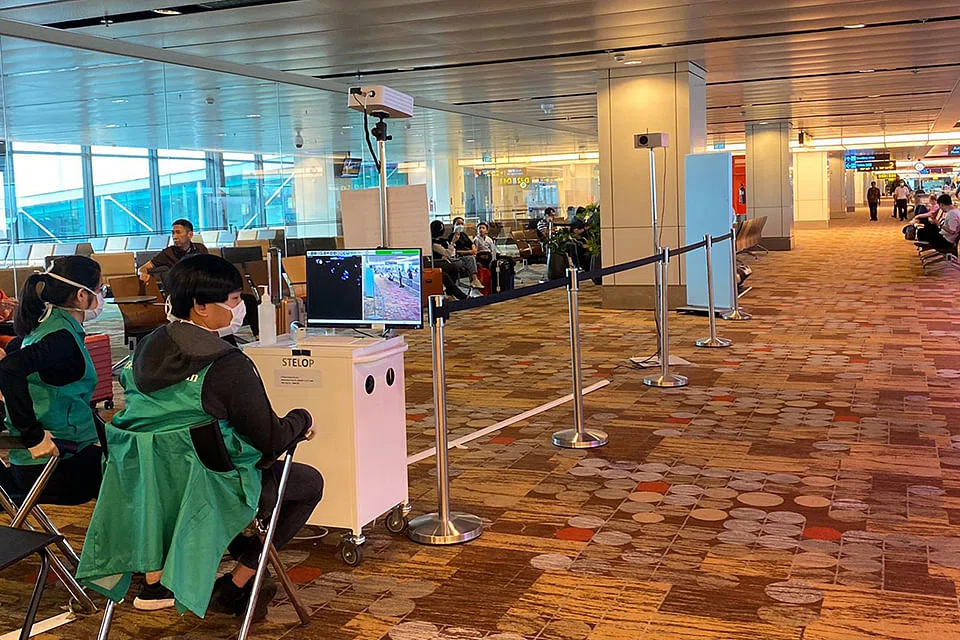
The company is no stranger to leveraging technology and innovation to provide solutions for crises. In 2003 when the severe acute respiratory syndrome struck, ST Engineering co-developed an infrared fever screening system to quickly detect people with abnormal temperatures. The system leveraged thermal imaging technology deployed in the military.
This time around, ST Engineering deployed about 200 units of the improved screening systems at airports, hospitals, hotels and commercial buildings in countries such as Singapore, Mexico and Vietnam.
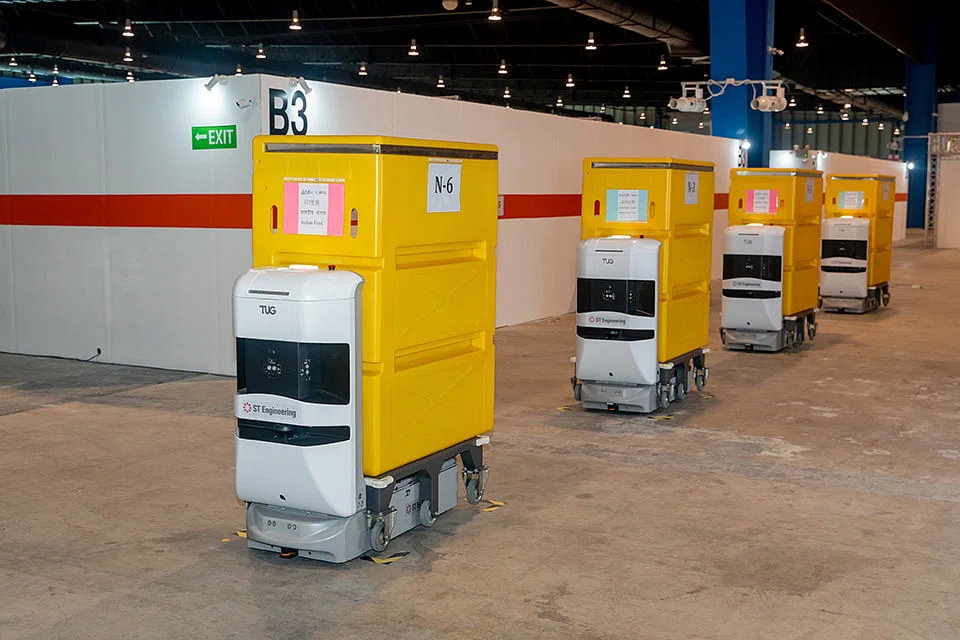
It also deployed robots at makeshift isolation facilities at Changi Exhibition Centre. These machines delivered food to patients in restricted areas, minimising healthcare workers' exposure to risks.
ST Engineering mapped out the routes at the centre for the robots to navigate, and kept a team of engineers on call 24/7 for technical support.
Pre-Covid, such robots were already lending a hand with the heavy lifting at hospitals and hotels in Singapore and the United States. Each robot can carry a load of up to 600 kilograms.
The company also ramped up production of its environmentally-friendly city coolers for use at outdoor isolation facilities and temporary open-air lodgings for foreign workers. The ones deployed at these facilities are a smaller version of its commercial systems that, pre-Covid, were in use at some tourist attractions and on trial at a bus stop in Dhoby Ghaut.
ST Engineering was conducting trials of a command centre for Tan Tock Seng Hospital before the pandemic hit. Its engineers braved the risk of getting infected and worked on site at the hospital alongside medical staff to rearrange work flows and cater to new needs arising from the pandemic.
Mr Chow said ST Engineering is always prepared to lean forward in times of an emergency. "There's no questions asked. We are one of the biggest engineering houses. We must be prepared to step up and support all these."
He added that it's not about bringing the most high-tech products to the market, but providing solutions to problems in the quickest manner.
ST Engineering's other solutions for pandemic-related needs include autonomous vehicles, which had been trialled in Israel to transfer novel coronavirus patients within the hospital premises.
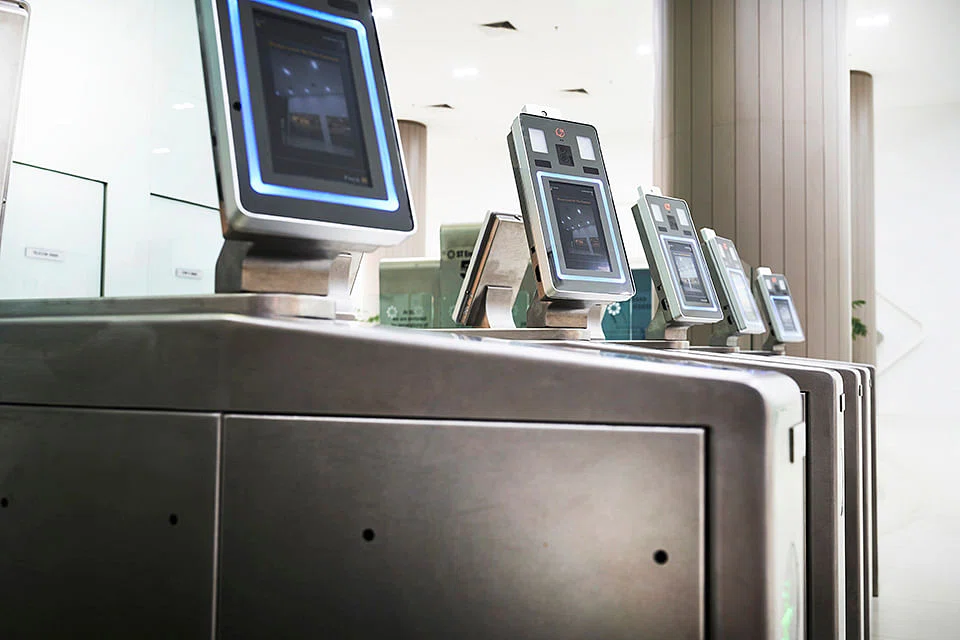
Besides these initiatives, the company has made its workplace safe with the use of own inventions. Among these are a wearable smart band that logs contact with co-workers, and a thermal cum facial recognition sensor that admits employees into facilities even when they are masked up.
On whether these solutions can continue to sell post-Covid, Mr Chow said he expected some would still remain useful. "I think wearing a mask is going to be a new norm, facial recognition is going to be a new norm."
TRENDING NOW
Simba admits exceeding spectrum limits amid failed M1 deal; parent company Tuas’ full-year profit surges 277%

He built the Vingroup empire. Now South-east Asia’s richest man is handing some key roles to his sons
What’s on the agenda when Xi and Trump meet in Washington
Ex-execs of CW Group, Allied Tech charged with offences linked to lawyer’s S$76 million misappropriation

