Sterling slides after cooler inflation data, yen back under pressure
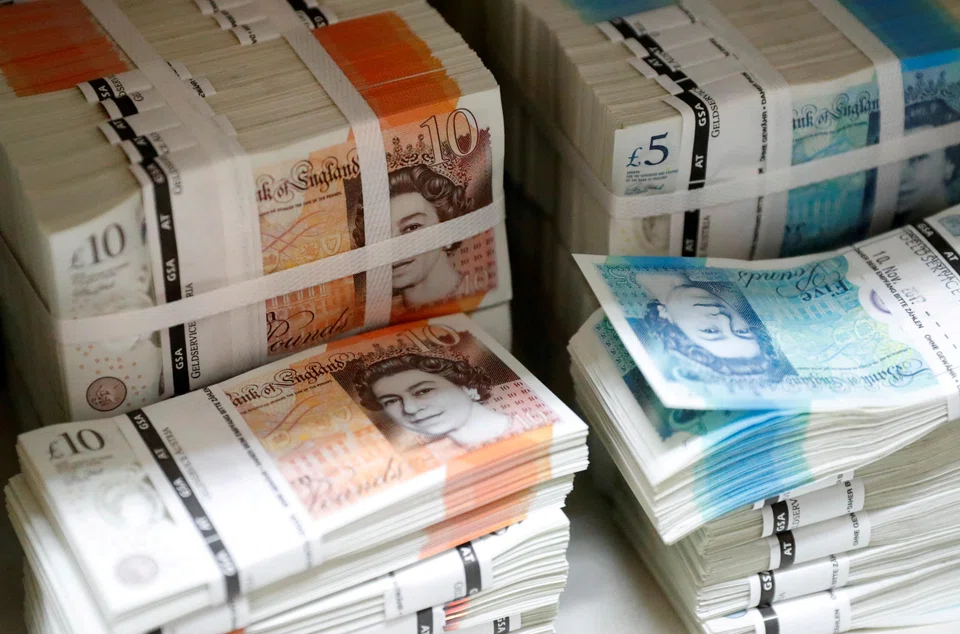
STERLING slid on Wednesday (Jul 19) after lower-than-expected British inflation data suggested that the Bank of England (BOE) might not have to raise rates quite as high as had been expected. Meanwhile, the latest dovish comments from the Bank of Japan (BOJ) caused the yen to soften.
The pound was last down 0.78 per cent against the US dollar at US$1.2930; it also weakened versus the euro after figures showed that British inflation fell more than expected in June and was at its slowest in more than a year, at 7.9 per cent.
That meant the British currency was set for its biggest percentage fall against the US dollar in three weeks, as it continued to roll off the 15-month high of US$1.3144 that it hit on Thursday.
“Good news at last for UK inflation. Below forecast headline and core,” said Kenneth Broux, head of corporate research FX and rates, at Societe Generale. “Profit taking in sterling as a result should not be a surprise as Gilt yields come down versus US Treasuries and Bunds. The pound was overbought after the run-up in recent weeks,” he added, referring to British, US and German government bonds.
Before Wednesday’s data, investors had assigned a roughly 60 per cent chance that the BOE would hike rates by 50 basis points on Aug 3. That turned into a 60 per cent chance of a quarter-percentage-point hike after the data.
It was all about central banks in the Asia-Pacific region as well. The US dollar climbed to a one-week high on the Japanese yen and was last up 0.68 per cent at 139.81.
BOJ governor Kazuo Ueda said on Tuesday there was still some distance to sustainably achieving the central bank’s 2 per cent inflation target, signalling his resolve to maintain ultra-loose monetary policy for the time being, in contrast to the hawkishness at other major central banks.
The New Zealand dollar was also volatile, briefly spiking after consumer inflation came in slightly above expectations in the second quarter. But it last traded down 0.57 per cent at US$0.6235.
Elsewhere, the euro was down a fraction at US$1.12185, away from the previous session’s 17-month peak of US$1.1276. That left the US dollar index up 0.27 per cent at 100.24, rebounding from a 15-month low hit in the previous session.
The US dollar has paused its steep decline, in the wake of a cooler-than-expected US inflation reading that led to traders pricing in an imminent peak in Federal Reserve rates.
Economists polled by Reuters expect the Fed to deliver a rate hike of 25 basis points at its upcoming policy meeting this month, with a majority betting that will bring an end to the central bank’s current monetary-tightening cycle.
Decoding Asia newsletter: your guide to navigating Asia in a new global order. Sign up here to get Decoding Asia newsletter. Delivered to your inbox. Free.
Share with us your feedback on BT's products and services