

Stiff rivalry in the offing for SGX gold futures
CME, Shanghai Gold Exchange also planning launches in the near future
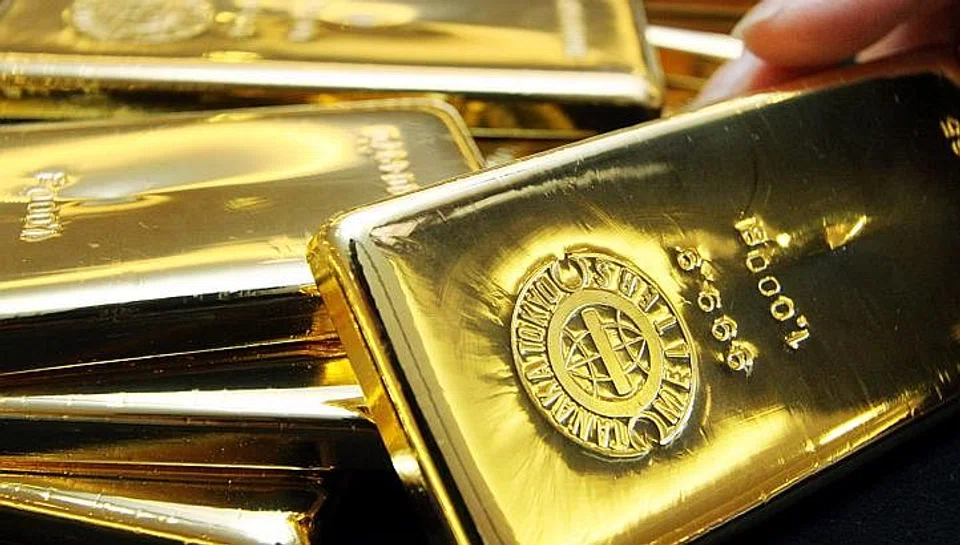
SINGAPORE Exchange's (SGX) gold futures - due to be launched as soon as this month - are set to face fierce competition in the region.
CME Group, the largest futures operator globally, will be launching a physically deliverable gold futures contract in Hong Kong in the fourth quarter of this year, while gold trading for international players will start in the Shanghai free trade zone at the end of this month.
CME's kilobar contract will be smaller than SGX's, which will make it accessible to a wider and more diverse group of traders, its executive director of metals products, Harriet Hunnable, told the press over a conference call on Thursday. Target users will include both physical players as well as financial firms such as hedge funds and banks, she added.
On the same day, China, which has expressed its goal of asserting greater influence over the gold market, also said the Shanghai Gold Exchange will launch an international version of its gold futures on Sept 29.
The three gold contracts - one of the first commodities contracts that the country is opening up to foreign participants - will involve bars of 100 grams, 1kg and the London delivery bar size of 12.5kg, Reuters reported.
Already, the Shanghai exchange has signed up about 40 international members, including Goldman Sachs, ANZ and Standard Chartered.
SGX had announced in June that it will launch a physically deliverable gold futures contract for 25kg of 99.99 per cent purity kilobar. This would be the first wholesale kilobar contract offered globally, it said. Such a contract would cost over S$1 million at current prices.
JP Morgan, StanChart, Standard Merchant Bank (Asia) Limited and The Bank of Nova Scotia would be the initial market makers on SGX; it is hoped that second-tier banks, private banks and jewellery makers will eventually also use the contract.
Interest from these exchanges comes as demand for gold surged in China last year, tilting the global gold market towards Asia and its preference for kilobars.
According to the World Gold Council, Asia accounted for 63 per cent of total consumption of gold jewellery, bars and coins last year, compared with 57 per cent in 2010.
"All the action at the moment is around the kilobar in this region. The volatility of the premium for kilobar gold in China and Hong Kong has been very significant in the last 18 months," said Ms Hunnable.
CME said the new contract - which came about after requests from both existing users of its 100-ounce Comex gold futures contract and new customers - will be "very complementary" to its established Comex contract, and create new arbitrage opportunities between both. The new contract will also have specifications of 99.99 per cent purity, and be physically delivered at exchange-approved vaults in Hong Kong.
Despite the increased competition, the exchanges' fight for market share is not a zero-sum game, said Howie Lee, an investment analyst at Phillip Futures.
"Global trading volume in gold futures is expected to increase in future and with the creation of more new futures-backed gold funds, appetite for gold futures is expected to increase," he said. The involvement of a few exchanges could also help to raise awareness among clients, generating demand and facilitating a more efficient market in the long run, he added.
Furthermore, while CME is a strong international player, Singapore has an advantage as a financial hub servicing regional clients, he said, though qualifying that product liquidity will still be a consideration for most physical hedgers.
The gold market has also drawn interest from exchanges as regulatory scrutiny of the gold price fix in London - the global price benchmark - was stepped up, following benchmark manipulation scandals in the interest rate and foreign exchange markets.
The London Bullion Market Association (LBMA) is looking to introduce a transparent electronic alternative for gold, similar to what it had appointed CME and its partner Thomson Reuters to provide for the silver market last month: a transaction-based and fully electronic mechanism, against the previous method of fixing prices over the phone.
The gold fix price is decided by four banks - HSBC, Barclays, Societe Generale and Bank of Nova Scotia.
Asked how confident the exchange is in being chosen by LBMA to do the same for gold, Ms Hunnable said: "We have proven ourselves by delivering, in an extremely tight time frame, a robust trading platform. . . We've proven that we will be the ideal partners to deliver solutions to the gold market as well."
TRENDING NOW

‘We don’t want to stay as we are’: CEO Patrick Ng builds a more resilient Huationg

URA to review guidelines on floor space to give developers more design flexibility: Chee Hong Tat

He built the Vingroup empire. Now South-east Asia’s richest man is handing some key roles to his sons

32 companies, 6 individuals bag accolades at Singapore Corporate Awards 2026

