

Stocks to watch: Singtel, Keppel Reit, Oxley, Trendlines Group

Mia Pei
THE following companies saw new developments that may affect trading of their securities on Tuesday (Oct 10):
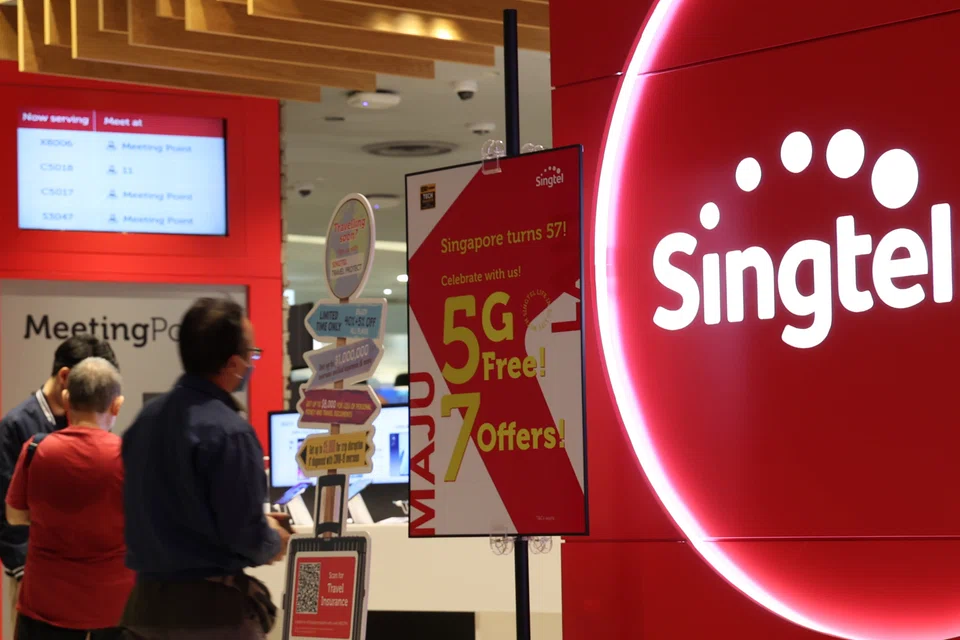
Singtel : South Korea’s KakaoBank is joining Grab, Singtel and Emtek Group to invest in Indonesia’s Superbank, by acquiring a 10 per cent stake in new issued shares of the upcoming digital bank. Superbank is expected to launch its app this year, said the banks on Tuesday. Shares of Singtel ended Monday unchanged at S$2.38.
Keppel Reit : The real estate investment trust has obtained US credit rating agency Equifax as an anchor tenant for its Blue & William office development located in North Sydney. Equifax occupies more than 4,350 square metres across the fifth and seventh levels of the property, which now has around half its office space leased, the manager said on Tuesday. Keppel Reit units closed flat at S$0.83 on Monday.
Oxley : The property developer on Monday said it sold a freehold office tower at Oxley Towers KLCC, and four adjoining parcels of retail units, in Kuala Lumpur for about RM406 million (S$118 million) to Alliance Bank Malaysia. Oxley shares closed 1 per cent or S$0.001 higher at S$0.106, before the announcement.
Trendlines Group : The Israel and Singapore-based startup incubator said it expects limited impact on its portfolio companies’ operations, from the armed conflict between Israel and Hamas. Despite some employees being called up for army duty, it does not anticipate significant impact on its operations, as its office in Misgav Business Park in northern Israel is “well distant” from the military activities in the south. Its counter fell S$0.002 or 2.2 per cent to close at S$0.09 on Monday, before the announcement.
TRENDING NOW

Grab CEO’s wife Chloe Tong on life with Anthony Tan and finding her purpose

Hwa Seng Builder, two China companies win S$1.2 billion Tuas Road Viaduct phase two contracts

Deal between tycoon friends sparks scrutiny of Philippine power sector

Canada is upping oil flows to Asia, but South-east Asia’s refineries aren’t ready to handle them yet

