

Supply chain woes, cost pressures present near-term challenges for Nio
 Add BT as a preferred source
Nisha Ramchandani
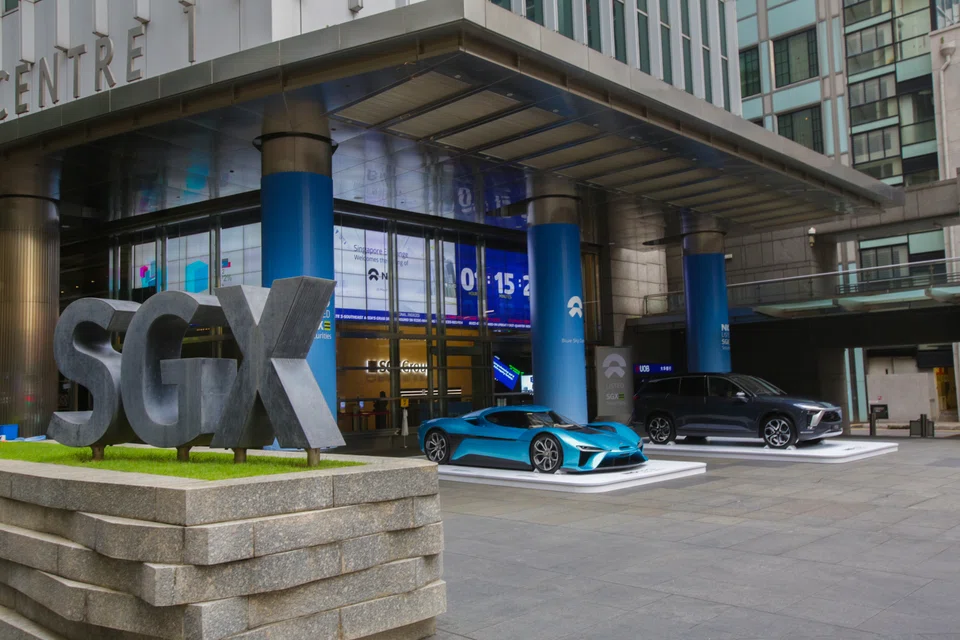
LAST week, Chinese electric vehicle (EV) maker made its secondary listing debut on the Singapore Exchange (SGX), following on the heels of a listing in Hong Kong in March.
Although its shares popped nearly 20 per cent on its first trading day to over US$20, they have retreated since. The counter closed at US$15.30 on Wednesday, down US$0.27 or 1.7 per cent. Amid heightened recession fears and a rotation away from growth stocks, its US-listed American depository receipts have plunged over 56 per cent year-to-date, while its Hong Kong shares have sunk some 25 per cent since they were floated on Mar 10.
Its listings in Hong Kong and Singapore were both by way of introduction - which means that no new funds were raised - while its primary listing remains on the New York Stock Exchange. The triple-listing helps to hedge against delisting risks as Chinese firms come under fire in the US over compliance issues.
TRENDING NOW

Trickier across borders: Why commercial disputes are getting more complex

Too little, too late? Manila’s billion-dollar bid to ignite its sputtering EV industry

When every phone becomes a satellite phone, what happens to Asia’s telcos?
How BYD disrupted Singapore’s car market – and why the strategy is turning on itself

