

Swedish krona softens on Riksbank dovishness, euro rebounds
 Add BT as a preferred source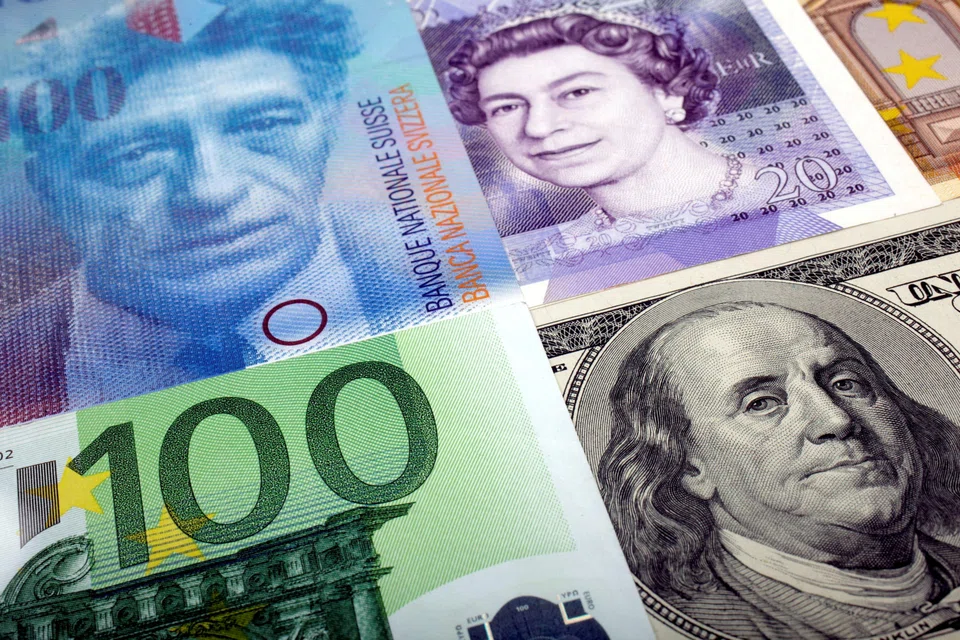
THE Swedish krona weakened sharply on Wednesday (Apr 26) after the country’s central bank was less hawkish than expected. Meanwhile the euro rebounded from losses a day earlier when jitters about the US banking sector helped the safe-haven US dollar.
The euro rose as much as 1.05 per cent against the krona to 11.426, set for its biggest one-day gain since early March. The US dollar, which traded down 0.7 per cent against the krona before the Riksbank’s decision, was steady at 10.305 kronor.
Sweden’s central bank raised its policy rate by half a percentage point to 3.5 per cent, in line with market forecasts. It said it expected a further hike at its meeting in June or in September, but two deputy governors voted for a smaller hike.
“This dovish dissent is a recipe for more weakness against the euro because of the rate differential,” said Kenneth Broux, head of corporate research for FX and rates at Societe Generale.
Market expectations are for further rate hikes from the European Central Bank. The differences between rates in one market and another are factors in driving currency moves.
The Norwegian krone “is also getting caught in the crossfire, and I think the Scandies can weaken more and put pressure on the central banks to jawbone their currencies (ie try to talk them stronger)”, said Broux.
The euro climbed 0.16 per cent on the Norwegian krone to a fresh three-year high of 11.747.
The euro was also stronger more broadly, rising 0.57 per cent against the US dollar to US$1.1038, while the pound rose 0.5 per cent to US$1.2474, both European currencies rebounding from similarly-sized falls the day before.
The US dollar index, which measures the currency against six major rivals, was down 0.42 per cent at 101.38 after a 0.5 per cent increase on Tuesday, as it benefited from a short-term flight to safety.
Shares of First Republic Bank slid nearly 50 per cent on Tuesday after it reported a more than US$100 billion plunge in deposits in the quarter, battered by lost confidence in the banking sector.
It faces dwindling and tough options to turn around its business with the creation of a “bad bank” or asset sales possibilities, a source familiar with the matter told Reuters.
However, “the broader spillover impact looks limited – other regional bank shares have held up better – and the market sees it as an isolated incident,” said Lee Hardman, senior currency analyst at MUFG.
“That’s why we’ve seen a bit of a bounce in risk assets and the US dollar giving back some of yesterday’s gains.”
The US dollar slid 0.3 per cent against the yen to 133.27.
Investor attention will firmly be on the slate of central bank meetings in the next few weeks with the Bank of Japan, under the new governor Kazuo Ueda, holding its policy meeting later this week.
The Australian dollar slid to a six-week low of US$0.65955 after data showed inflation eased from 33-year highs in the first quarter, while core inflation dipped below forecasts.
ING economists said a cooler-than-estimated inflation report should be enough to “encourage thoughts that the recent pause in rate tightening by the Reserve Bank of Australia may end up being more than that, and confirm that 3.6 per cent was the peak in rates this cycle”. REUTERS
Decoding Asia newsletter: your guide to navigating Asia in a new global order. Sign up here to get Decoding Asia newsletter. Delivered to your inbox. Free.
Share with us your feedback on BT's products and services
TRENDING NOW

Johor property old hand KSL readies family handover amid market boom

Seatrium eyes S$28 billion in project opportunities amid global race for energy security

China targets offshore billions in biggest crackdown in decades

Trek 2000 shares jump 26% after Osim founder Ron Sim drops claims, sells 7.3% stake to Azure Capital

