

Sydney Airport shareholders back A$23.6b cash deal in one of Australia's biggest buyouts
Several retail shareholders disappointed the bid lacked a scrip component as they wanted to stay invested in the company over the long term
Sydney
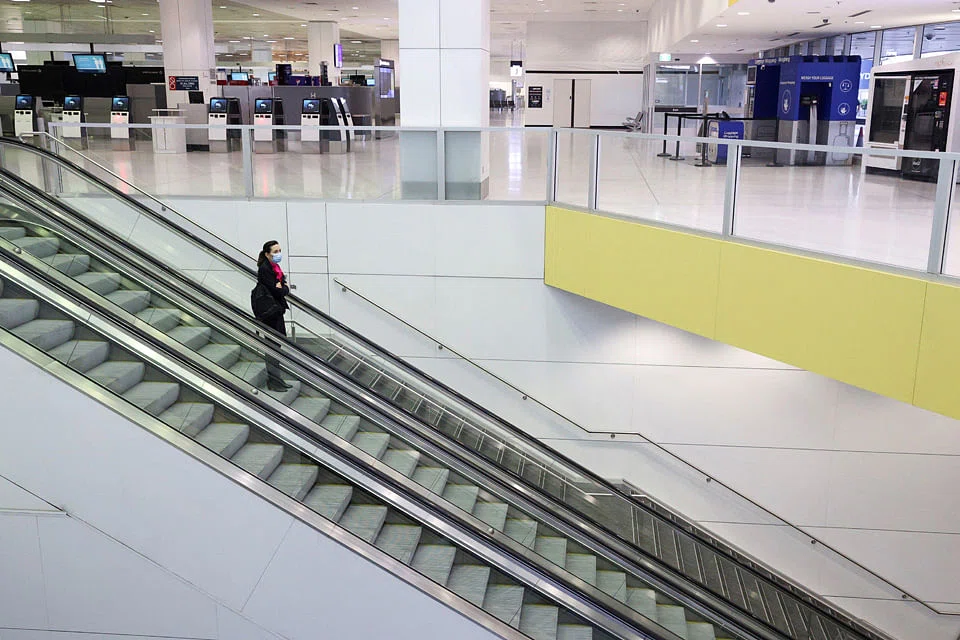
SYDNEY Airport shareholders approved on Thursday (Feb 3) a A$23.6 billion (S$22.7 billion) cash takeover by infrastructure investors, though many small retail investors voted against delisting Australia's only listed airport.
The purchase is a long-term bet on the travel sector, which has been battered by the coronavirus pandemic.
Record-low interest rates are spurring pension funds and their investment managers to chase higher yields.
The Sydney Airport takeover, one of Australia's biggest-ever buyouts, was backed by 96 per cent of votes cast, but 20.7 per cent of shareholders, representing a stake of 4 per cent, were against the deal in a final voting tally.
Several retail shareholders said at a meeting they were disappointed the bid lacked a scrip component as they wanted to stay invested in the company over the long term. One long-term shareholder said he faced a big tax bill from accepting cash.
Chairman David Gonski said the bidders came to the board with an offer that did not include the opportunity for shareholders to roll their interests into the unlisted vehicle.
There was however, one exception. The consortium's bid was contingent on the company's largest investor pension fund, UniSuper, folding its 15 per cent stake into the unlisted company rather than accepting the cash on offer to others. After the deal is complete, UniSuper will join IFM Investors, QSuper, AustralianSuper and US-based Global Infrastructure Partners as major shareholders.
Australia's other major airports are unlisted and owned by pension funds and infrastructure investors, though New Zealand's Auckland International Airport remains listed.
Last month, an independent expert said the Sydney Airport deal was "fair and reasonable" to shareholders at a time of significant revenue uncertainty due to Covid-19 and the looming end of its monopoly when Western Sydney Airport opens in 2026.
Sydney Airport's domestic traffic fell 74 per cent in 2021 from 2019 level before the pandemic, while international traffic was down by 95.5 per cent. REUTERS
Decoding Asia newsletter: your guide to navigating Asia in a new global order. Sign up here to get Decoding Asia newsletter. Delivered to your inbox. Free.
Share with us your feedback on BT's products and services






