T-bill cut-off yield falls to 2.97% in first auction after Fed announces rate cut
Yield falls below 3 per cent for first time since September 2022

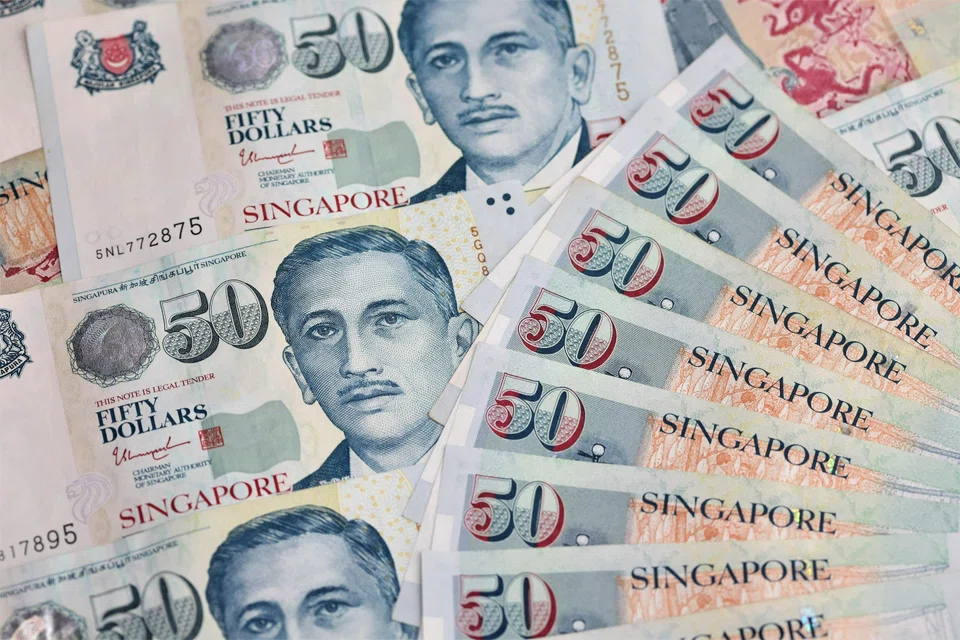
THE cut-off yield on Singapore’s latest six-month Treasury bill (T-bill) fell to 2.97 per cent in the first auction after the US Federal Reserve announced it was cutting rates in September.
This is the first time yields fell below the 3 per cent mark since September 2022.
Yields stayed elevated in the past two years as the Fed kept interest rates high to combat post-pandemic inflation.
“Much of this is probably due to increased awareness that the Fed has begun cutting rates,” said Eugene Leow, senior rates strategist at DBS.
“With the Fed delivering a 50-basis-point (bp) cut at a go, the message is clear that there will be more to come. This also implies that T-bill rates should continue falling in the coming months,” he said.
Thursday’s (Sep 26) auction results indicated that the cut-off yield fell to 2.97 per cent, from 3.1 per cent in the Sep 12 auction.
The latest auction received S$13.9 billion in applications for the S$6.8 billion on offer.
This represents a bid-to-cover ratio of 2.05.
Demand rose slightly from the previous auction, which had S$13.4 billion in applications for the S$6.9 billion on offer.


Non-competitive bids totalled S$1.5 billion and were fully allotted.
About 95 per cent of competitive applications at the cut-off yield were allotted.
Leow said there was likely demand to lock in yields while the levels are still decent. But demand could taper off as yields fall and investors start to look for alternatives, he added.
Cheong Wei Ming, fixed income portfolio manager at Eastspring Investments, noted that the Federal Open Market Committee’s dot plot has projected another 50 bps of easing for 2024, and 100 bps next year, to reach a median projected terminal rate of 2.9 per cent in early 2026.
Given the strong correlation with US dollar rates, Singapore dollar rates will likely trend lower over time, which should bode well for the outlook on its duration, Cheong said. But he also noted risks from a re-acceleration of US economic activities and the re-emergence of higher inflation.
T-bill yields hit a 30-year high of 4.4 per cent in December 2022, and have hovered above the 3 per cent level since.
From June 2022 to July 2023, the Federal Reserve conducted one of its most aggressive hiking cycles that brought the Fed funds rate to between 5.25 and 5.5 per cent, from near zero levels.
Decoding Asia newsletter: your guide to navigating Asia in a new global order. Sign up here to get Decoding Asia newsletter. Delivered to your inbox. Free.
Copyright SPH Media. All rights reserved.