

Apple loses more AI researchers and a Siri executive in latest departures
The company has struggled to keep up with peers in the artificial intelligence race
[LOS ANGELES] Apple has lost at least four more of its artificial intelligence (AI) researchers in recent weeks, in addition to a top Siri executive, with the staff headed to employers such as Meta Platforms and Google DeepMind.
The latest exits include Yinfei Yang, Haoxuan You, Bailin Wang and Zirui Wang. Yang left to start a new company, while You and Bailin Wang joined Meta, according to sources familiar with the matter. You left for that company’s Superintelligence research arm, and Bailin Wang is working on Meta recommendations, said the sources, who asked not to be identified because the moves have not been announced.
The departures underscore the continued turbulence within Apple’s AI division. The company has struggled to keep up with peers in the AI race, and a decision to outsource some technology to Alphabet’s Google has rankled staff. In recent months, the company has suffered an exodus of talent, especially from its AI ranks.
In Zirui Wang’s case, the researcher is joining Google DeepMind, which is helping Apple build the core AI models that will power new features. That includes the technology underpinning an upgraded version of the Siri voice assistant that’s launching this year.
In another previously unreported development, Apple executive Stuart Bowers left for Google DeepMind as well. He was one of the company’s most senior executives working on Siri.
Bowers had been a top leader on Apple’s failed self-driving car project before becoming one of the managers in charge of turning around the company’s voice assistant. He got an expanded role last year, working on Siri’s ability to figure out how to respond to a user. In that role, he reported to new Siri chief Mike Rockwell.
Apple, Google and Meta spokespeople declined to comment.
Apple’s AI challenges have contributed to a stock slump this year, even as the company’s sales reach new heights. It reported blockbuster earnings on Thursday, including more than US$85 billion in iPhone sales. Still, the lack of compelling AI breakthroughs and the ongoing drain of top talent remain a significant overhang, complicating the company’s efforts to engineer a turnaround.
The defections follow a major reorganisation of Apple’s AI efforts last year. Chief executive officer Tim Cook relieved longtime AI chief John Giannandrea of his duties and handed responsibility to software head Craig Federighi. Apple also hired Amar Subramanya, a former Google and Microsoft AI executive, to oversee parts of the organisation.
SEE ALSO
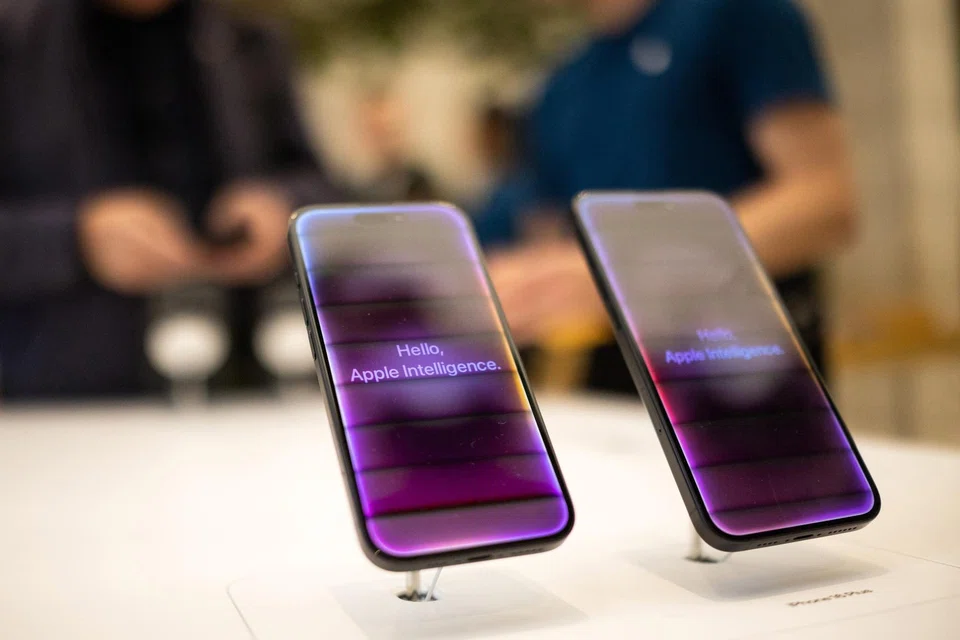
The recent departures came from Apple’s Foundation Models, or AFM, team, which develops the underlying technology behind the Apple Intelligence platform. The group has faced mounting scrutiny following repeated delays to the new Siri and a muted reception to Apple’s current AI features. Over the summer, the team lost its former leader, Ruoming Pang, to Meta. It is now run by AI researcher Zhifeng Chen.
Until the end of last year, the AFM team had been overseen by former Google executive Daphne Luong. She was sidelined alongside Giannandrea and remains at Apple reporting to him, without operational responsibilities. Chen and Apple’s AI research and testing teams now report to Subramanya.
The company is preparing two new versions of Siri. One is a near-term update that will tap into personal data to answer queries. The other is a more ambitious overhaul for later this year that’s built around a chatbot-style interface.
Both versions will run on a new architecture powered by models developed by Google’s team. Apple has lost well over a dozen AI researchers in the past six months, with many exits stemming from the company’s decision to outsource some of its technology.
When asked on Thursday why Apple chose to use Google, Cook said that it would provide “the most capable foundation” for Apple’s AI models.
“We believe that we can unlock a lot of experiences and innovate in a key way due to the collaboration,” he said during a post-earnings conference call with analysts.
The company continues to rely on its own models for on-device Apple Intelligence features. And it’s unlikely to depend on outside partners indefinitely, given the competitive stakes of the AI race and the need to deliver a unique experience. BLOOMBERG
Decoding Asia newsletter: your guide to navigating Asia in a new global order. Sign up here to get Decoding Asia newsletter. Delivered to your inbox. Free.
Share with us your feedback on BT's products and services






