Chinese, HK investors banned from SpaceX IPO on security grounds: sources
The decision is driven by internal guidance related to US International Traffic in Arms Regulations
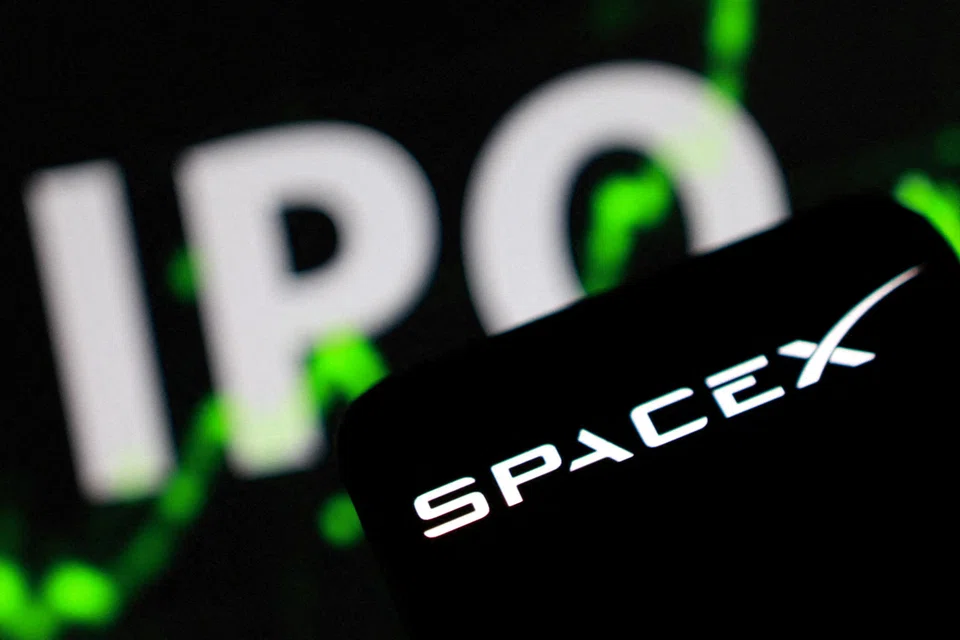
[HONG KONG/NEW YORK] Underwriters on SpaceX’s US$75 billion initial public offering have been told not to accept orders from investors in Hong Kong and China, citing US restrictions around the export of critical technology, people with knowledge of the matter said.
The lead banks overseeing the deal have told other banks in the underwriting syndicate not to permit customers in Hong Kong and China, including private banking clients, to place orders for the offering due to regulatory and compliance risks, the people said, asking not to be identified as the matter is private.
The company’s decision to exclude investors from Hong Kong and mainland China was based on guidance related to the US International Traffic in Arms Regulations, under which those jurisdictions are subject to distribution restrictions, some of the people said.
While individuals from ITAR-restricted jurisdictions are not legally barred from subscribing to the offering, SpaceX has instructed banks not to allocate them any shares, according to a memo sent by Citigroup, one of the banks helping to arrange the deal, and reviewed by Bloomberg.
The New York-based bank reminded syndicate participants not to market the offering through their wealth management and private banking channels to citizens of ITAR-restricted jurisdictions, and to identify any such investors whose orders entered the institutional book. The restricted jurisdictions also include Lebanon, Russia, Cyprus, and Syria.
A spokesman from Citigroup declined to comment. Goldman Sachs Group and Morgan Stanley, the lead banks on the deal, did not immediately respond to a request for comment. A representative for SpaceX could not immediately be reached for comment outside of regular office hours.
SpaceX’s website was inaccessible from Hong Kong and Shanghai on Friday (Jun 5), with attempts to do so resulting in an error message that said the company had banned access from Internet addresses from those locations.
US technology and artificial intelligence companies have become increasingly cautious about accepting capital from Chinese investors in recent years, reflecting heightened scrutiny from regulators and customers over potential national security and data-security risks.
Companies pursuing government contracts or operating in sensitive sectors often seek to keep their shareholder base free of investors that could trigger reviews by US authorities or raise concerns among prospective clients.

The shift marks a contrast with the previous decade, when Chinese venture capital firms, private equity funds, family offices and wealthy individuals were active investors in Silicon Valley startups. Many participated through offshore special purpose vehicles and fund structures that obscured the ultimate source of capital, allowing them to back high-growth technology companies alongside global investors.
As geopolitical tensions between Washington and Beijing have intensified, however, founders and underwriters have become more selective about cap tables ahead of public listings, with some companies actively reducing or avoiding Chinese ownership altogether. BLOOMBERG
Decoding Asia newsletter: your guide to navigating Asia in a new global order. Sign up here to get Decoding Asia newsletter. Delivered to your inbox. Free.
Share with us your feedback on BT's products and services