Chipmakers in Malaysia monitoring risks from helium supply disruptions: association
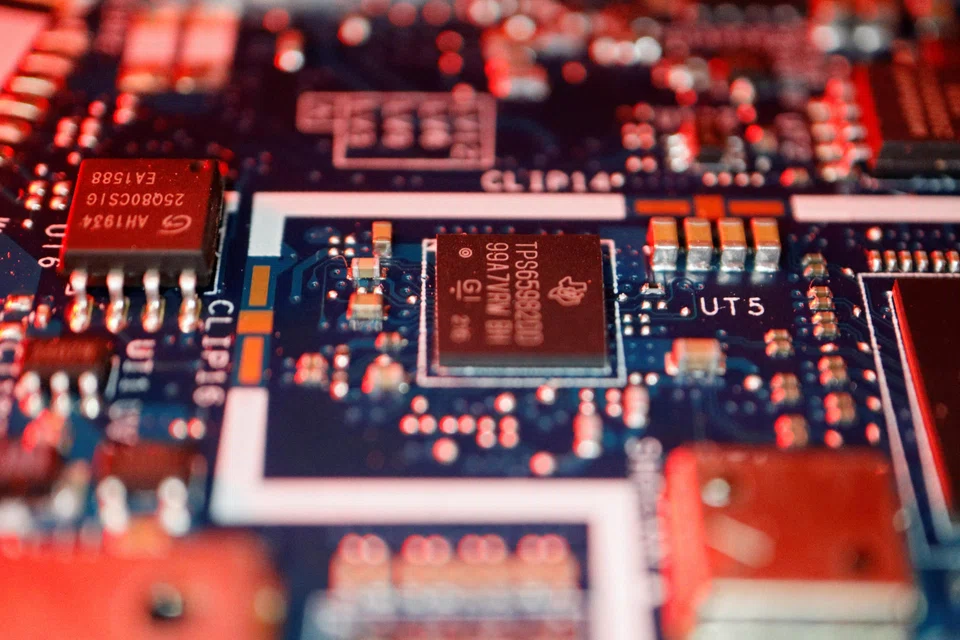
[KUALA LUMPUR] Semiconductor firms in Malaysia are monitoring risks from disruptions to helium supplies due to the conflict in the Middle East, though the situation has not caused any operational interruptions so far, an industry executive told Reuters.
Helium prices have risen sharply due to the disruption of natural gas processing in Qatar by the US-Israel war against Iran. Helium - critical for industries such as semiconductors and medical imaging - is a byproduct of LNG processing, and any slowdown in output is expected to affect global supplies.
Wong Siew Hai, the president of the Malaysia Semiconductor Industry Association, said most chipmakers globally, including those with operations in Malaysia, have inventories and diversified sourcing that reduce immediate risk.
“While the current situation has heightened awareness and heightened risk monitoring, it has not yet translated into clear reported supply disruptions for Malaysian semiconductor operations,” he said.
“However, Malaysian chipmakers are likely watching developments and managing risk through diversified sourcing, inventory buffers, and supply chain engagement, similar to their regional peers,” he said.
Malaysian companies that focus heavily on packaging, testing and assembly are less exposed to helium supply risks and can mostly operate with nitrogen, Wong said.
SEE ALSO



Malaysia is home to suppliers and factories serving semiconductor makers like Intel and Europe’s Infineon and STMicroelectronics.
About 7 per cent of the world’s semiconductor trade passes through the country, which also accounts for about 13 per cent of global chip assembly, testing and packaging.
Fitch Ratings said in a note on Tuesday that Asia’s semiconductor supply chain faces rising risks from helium supply strains as the Iran conflict drags on, with credit risk to worsen if the shortages exceed inventory buffers. REUTERS
Decoding Asia newsletter: your guide to navigating Asia in a new global order. Sign up here to get Decoding Asia newsletter. Delivered to your inbox. Free.
Share with us your feedback on BT's products and services