

Elon Musk loses OpenAI court battle: 5 takeaways from the blockbuster trial
Musk is still determined to bring down OpenAI
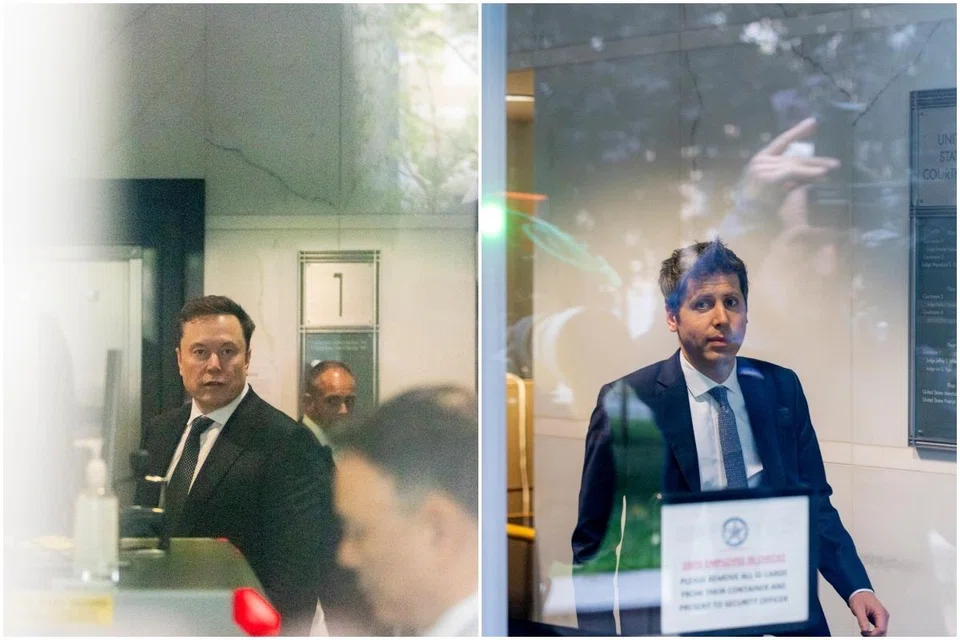
[OAKLAND, California] ON MONDAY (May 18), a nine-member jury unanimously rejected Elon Musk’s US$150 billion lawsuit against artificial intelligence startup OpenAI.
After less than two hours of deliberation, the jurors decided that Musk had not sued in the time required by law. A judge then dismissed the tech mogul’s suit against OpenAI, which he helped found as a non-profit in 2015.
After Musk left the AI research lab in 2018, his suit claimed, OpenAI’s CEO, Sam Altman, and its president, Greg Brockman, abandoned the non-profit’s mission by putting profits over the public good. The year Musk left, Altman attached a commercial company to the non-profit and started raising billions of dollars from investors such as Microsoft. OpenAI is now valued at US$730 billion and is expected to have an initial public offering, perhaps as soon as in 2026.
But the only thing the jury truly decided was that Musk waited too long to file his suit. His claims were left on the table.
Besides an important lesson on the perils of procrastination, here are five takeaways from the three-week trial.
Musk is still determined to bring down OpenAI
After the jury’s verdict, Musk’s lawyers said he intended to appeal.
Musk has long argued, both in court and out, that OpenAI endangered the future of humanity by abandoning its non-profit mission. And his complaints about Altman and Brockman are deeply personal.
Two days before the start of the trial, Musk sent a text message to Brockman, asking if he was interested in settling the case. When Brockman suggested that both sides drop their claims, Musk responded with a text attacking Brockman and Altman.
“By the end of this week, you and Sam will be the most hated men in America,” he wrote, according to a document filed in the trial. “If you insist, so it will be.”
SEE ALSO
Musk’s case faced a high legal bar
When Musk filed his suit, many legal experts questioned its merits, and many doubted it would go to trial.
“I was surprised we got there,” said Dorothy Lund, a Columbia University law professor who specialises in corporate law. She said the case would not have made it to trial in Delaware (where OpenAI was incorporated), which typically takes a stricter approach to corporate law.
On May 18, the jury’s decision also showed that Musk faces a big problem with the statute of limitations, which was three years for this case. He began publicly complaining about OpenAI’s behaviour as early as 2020 but did not sue until 2024.
Musk wants to control the race to AI
Evidence presented in the trial showed that Musk had wanted to fold OpenAI into his electric car company, Tesla, in 2017 and 2018. He also poached an important researcher from OpenAI around that time and hoped to poach others.
That could undermine his appeal of the verdict. OpenAI’s lawyers have argued that Musk is complaining about OpenAI’s transforming itself into a for-profit even though he wanted to do the same thing back in 2017.
But his efforts to merge Tesla and OpenAI also show his enormous ambition in AI. Though he has complained that OpenAI created a dangerous race to AI, he very much wants to be a part of that race – and that has been true for a long time.
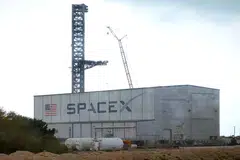
He recently folded xAI, his artificial intelligence startup, into SpaceX, his rocket ship company. SpaceX is preparing its own initial public offering on Wall Street, which could value the company at US$1.5 trillion.
Sam Altman has a credibility problem
Two weeks before the trial started, The New Yorker published a 16,000-word article under the headline “Sam Altman May Control Our Future – Can He Be Trusted?” And once the trial was underway, Musk’s lawyers spent three weeks trying to undermine Altman’s credibility.
When Altman was on the stand, Steve Molo, Musk’s lead lawyer, repeatedly asked if he was trustworthy. “Are you a person who just tells people things they want to hear whether those things are true or not?” Molo asked Altman.
During his closing arguments, Molo attacked Altman with a sweeping metaphor.
“Imagine that you’re on a hike, and you come upon one of those wooden bridges that you see on a trail, and it’s over a gorge,” Molo told the jurors. “There’s a river that’s 100 feet below, and it looks a little scary, but a woman standing by the entry to the bridge says, ‘Don’t worry, the bridge is built on Sam Altman’s version of the truth.’ Would you walk across that bridge? I don’t think many people would.”
Musk’s suit did not get past the jury, but given the enormous media attention on the trial, he succeeded in raising questions about Altman’s character.
The AI race will continue apace
If Musk’s suit had succeeded, he would have landed a serious blow to OpenAI.
He asked for US$150 billion in damages and wanted Altman to be kicked off OpenAI’s board of directors. He also wanted OpenAI to unwind a move it had made to become a for-profit company before an initial public offering.
That could have shifted the course of the AI race. But now OpenAI is free to push ahead in that race as it challenges a host of other formidable competitors, including Anthropic, Google and Meta. NYTIMES
Decoding Asia newsletter: your guide to navigating Asia in a new global order. Sign up here to get Decoding Asia newsletter. Delivered to your inbox. Free.
Share with us your feedback on BT's products and services
TRENDING NOW

DBS, OCBC, UOB rout lops billions off STI as inflation, rate concerns spook investors

Grab CEO’s wife Chloe Tong on life with Anthony Tan and finding her purpose

OCBC sheds S$8 billion in value as shares close nearly 6% down; analysts cautious on banks
Deal between tycoon friends sparks scrutiny of Philippine power sector

