

HP warns US trade regulations, memory chip costs to weigh on annual forecasts
The company’s adjusted profit per share of 81 cents for the quarter ended Jan 31 beat estimates
HP INC said on Tuesday it expected volatility in memory chips to persist even into next year and forecast a slump in its PC shipments, sending its shares down around 6 per cent in extended trading.
The personal devices maker said it expects adjusted profit for fiscal 2026 ending Oct 31 to be at the low end of its previously issued forecast of US$2.90 to US$3.20 per share. It anticipates PC unit shipments to decline in the double digits, in line with industry trends.
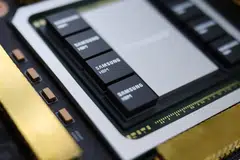
HP, like its rivals such as Dell, is dealing with increased costs as a shortage of memory chips has gripped the tech industry, fueled by massive AI data centre buildouts that are sucking up capacity.
The company said on Tuesday it has taken steps to mitigate this, including adjusting its supply chain and raising prices to offset the impact of US President Donald Trump’s sweeping tariffs.
“With just one quarter behind us in a dynamic environment marked by increasing memory costs, we are holding our outlook for the year, yet currently anticipate results to be closer to the low end of our range,” HP finance chief Karen Parkhill said in a statement.
The company, however, struck a positive note on demand from Europe and Asia, driven by the ongoing Windows 11 upgrade cycle, and said its average selling prices got a boost from a shift towards commercial and consumer premium devices.
HP also observed a “moderate amount of customer demand pull-in” in the first quarter, especially in its consumer business, which grew 16 per cent.
This, and a growing adoption of AI-powered PCs, helped it beat analysts’ estimates for first-quarter revenue and profit.
AI PCs constituted more than 35 per cent of the company’s total PC shipments in the first quarter, up from 30 per cent in the previous quarter, the company said.
HP said it was evaluating Trump’s new tariff announcements, but did not expect these levies to immediately hurt its business. It will continue “engaging the administration on these matters and others,” interim CEO Bruce Broussard said on a conference call with analysts.
The US began collecting a temporary new 10 per cent global import tariff on Tuesday, but the Trump administration was working to increase it to 15 per cent, a White House official said, sowing confusion over the tariff policies after last week’s Supreme Court defeat.
The company’s first-quarter revenue rose 6.9 per cent to US$14.44 billion, beating estimates of US$13.94 billion, according to data compiled by LSEG. Its adjusted profit per share of 81 cents for the quarter ended Jan 31 exceeded estimates of 76 cents.
Revenue for the personal systems unit, which houses both consumer and commercial PCs, grew 11 per cent to US$10.25 billion in the quarter. Revenue in its printing segment, which includes office-oriented printers and service offerings, fell 2 per cent to US$4.19 billion.
It forecast second-quarter adjusted profit per share between 70 cents and 76 cents, compared with estimates of 74 cents. REUTERS
Decoding Asia newsletter: your guide to navigating Asia in a new global order. Sign up here to get Decoding Asia newsletter. Delivered to your inbox. Free.
Share with us your feedback on BT's products and services






