

OpenAI proposes handing Trump administration 5% stake, FT reports, amid growing US scrutiny of AI firms
The move follows growing public backlash in the US over AI’s potential to cause economic upheaval, including layoffs
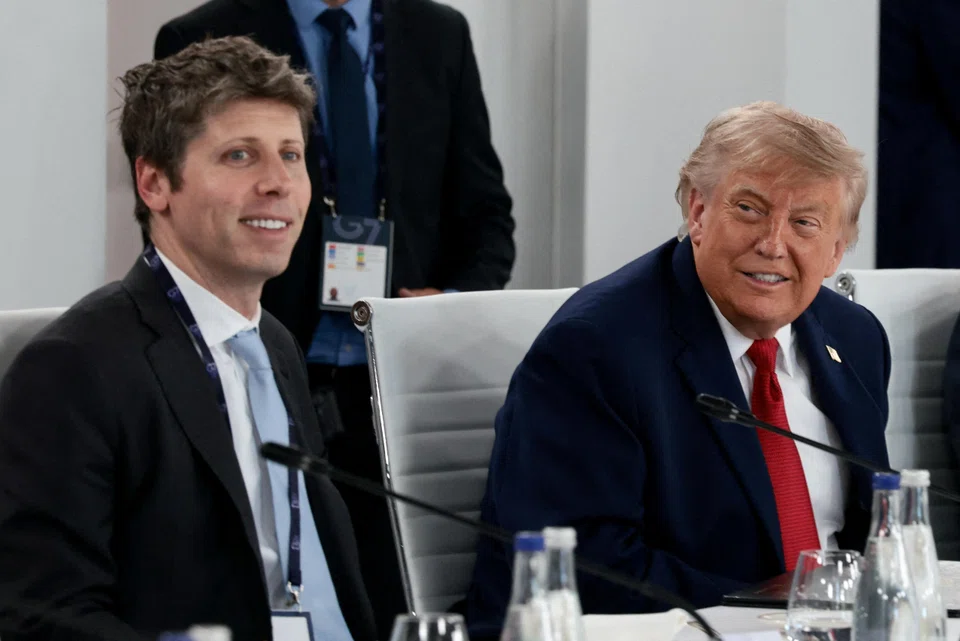
OPENAI has discussed giving the US government a 5 per cent stake, the Financial Times reported on Thursday (Jul 2), as AI firms face scrutiny in Washington over the likely misuse of advanced models and whether Americans would benefit from the industry’s massive valuations.
The ChatGPT creator has proposed that other US AI firms also give Washington similar stakes, although it is unclear whether they would agree, the report said, citing two people familiar with the talks.
The move follows growing public backlash in the US over AI’s potential to cause economic upheaval, including layoffs, and could help OpenAI sweeten ties with an administration that is increasingly taking an active role in regulating the technology.
A Trump administration request prompted OpenAI to delay the wide release of its latest AI model, GPT-5.6, on Jun 27, days after rival Anthropic suspended access to its most advanced models, including Fable 5, due to a government order to keep the technology out of the hands of foreign nationals. The US removed curbs on Anthropic’s AI models on Jun 30.
Reuters could not immediately verify the FT report. Alphabet’s Google declined to comment. OpenAI, Anthropic, xAI parent SpaceX and the White House did not immediately respond to requests for comment. Half of Americans fear that the rise of AI could put them or someone in their household out of work, according to a Reuters/Ipsos poll published in June.
Pre-IPO stake proposal
Managing regulatory uncertainty is critical for OpenAI and Anthropic ahead of their planned initial public offerings. In June, US President Donald Trump said he was exploring options to give the public a stake in leading AI companies, in response to concerns that individual Americans will not share in the sector’s expected profits.
Left-leaning US Senator Bernie Sanders has also advocated for the government taking a 50 per cent stake in big AI companies, arguing the technology is built on human knowledge used without permission and compensation.
Forrester analyst Indranil Bandyopadhyay said a pre-IPO government stake could ease investor risk concerns about regulation in the US but may trigger similar demands from other countries.
“Expect other jurisdictions to demand analogous arrangements as a condition of market access and expect enterprise buyers in Europe and Asia-Pacific to reassess data sovereignty and neutrality assumptions about US model providers.”
SEE ALSO
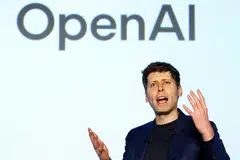

The structure OpenAI executives have suggested would see leading US AI firms allot 5 per cent of their equity to a vehicle modelled on the Alaska Permanent Fund, a state-owned corporation seeded with oil revenue that pays annual dividends to residents and helps fund Alaska’s budget, the FT report said.
OpenAI CEO Sam Altman has discussed the proposed stake with Trump, Commerce Secretary Howard Lutnick and Treasury Secretary Scott Bessent, the FT said. He met with Sanders in early June, the company said.
OpenAI has previously proposed a “public wealth fund” to invest in AI companies and distribute returns to citizens, while Anthropic has floated a “digital dividend,” or payments to Americans funded by taxes on the AI sector.
A US stake in OpenAI would add the company to a growing list with the government as a shareholder. The administration has been working to secure US supply chains for critical minerals and semiconductors by converting federal grants into equity, as part of a broader push to reduce reliance on China.
In 2025, the US government took a stake of roughly 10 per cent in Intel and a 15 per cent holding in MP Materials , among others. REUTERS
Decoding Asia newsletter: your guide to navigating Asia in a new global order. Sign up here to get Decoding Asia newsletter. Delivered to your inbox. Free.
Share with us your feedback on BT's products and services






