Salesforce seeks growth via international markets, sees South-east Asia as a key focus
The company’s investment in the region is part of its strategy to accelerate growth outside of the US

[SAN FRANCISCO] After years of drawing the bulk of its revenue from the United States, customer relationship management software provider Salesforce is now turning its sights to the international markets.
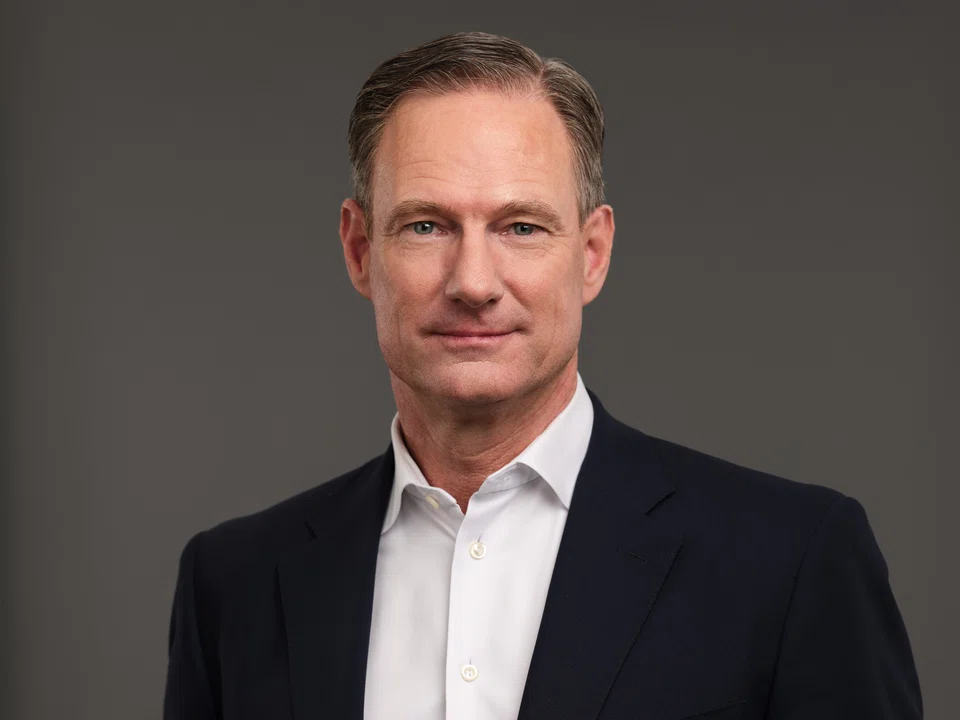
“We see... a huge opportunity for us to drive growth in the international markets,” said Brian Millham, Salesforce’s president and chief operating officer.
Millham has identified Asia – specifically, South-east Asia – as a key market with huge opportunity. The region is particularly attractive due to its large population, along with a collective gross domestic product that is comparable with markets such as India.
Salesforce will be investing in South-east Asia as part of accelerating its growth outside of the US, and is likely to run it from the regional headquarters in Singapore, according to Millham. The company will tap partners on its growth drive here.
However, the opportunity in Asia still pales in comparison to other emerging markets such as Latin America (Latam), which Salesforce is also looking to tap into as part of its drive into international markets.
“Given where we are, we still see... plenty of room to run against that total addressable market in... (the Asia and Latam) markets,” noted Millham.
Data regulations
Operating in international markets will require navigating the growing data sovereignty regulations countries have in place, where data from customers cannot be stored outside the country. Data sovereignty laws have stalled some of Salesforce’s efforts in South-east Asia in the past, especially in markets where it did not have a data centre partner.
Salesforce’s data centre partner for global operations excluding China, Amazon Web Services, has responded to changing data regulations through the expansion of its network of data centres, with a new one in Indonesia launched in December 2021, just before the country’s data sovereignty law came into effect in 2022.
Salesforce relies on its data centre partners, including Alibaba Cloud in China, to manage data regulations.
“Our strategy in China, with Alibaba (Cloud) as an example, we are going to put the data centres in the markets so that we can manage the data in accordance with the policies and regulations in each of those markets,” added Millham.
Regional presence
The tech company has a leg up in the region, already having a presence in countries such as Indonesia, Thailand, Malaysia and Philippines. But there has been a shift in the way Salesforce operates in South-east Asia since its Asean general manager Sujith Abraham came onboard in 2020.
The company previously sold its software out of Singapore – with reps flying in and out of the various countries in the region to speak to customers – but opened offices in Thailand in 2021 and Indonesia in 2023, with autonomy given to local leaders to drive their own markets.
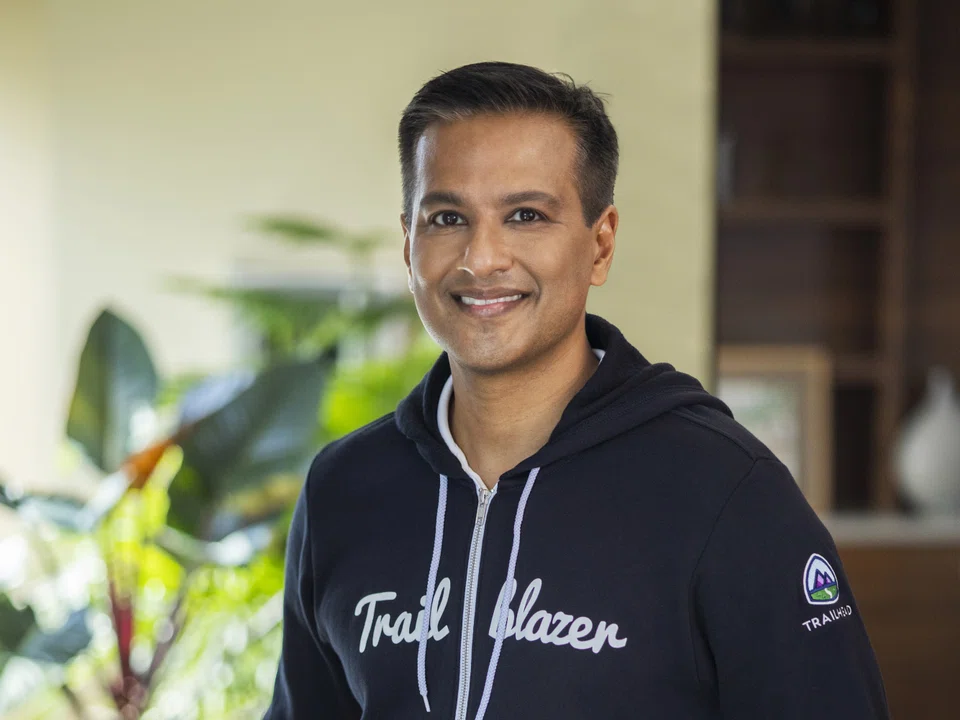
“We had to change ourselves and start not to think about the Asean collective but about individual countries, and these markets have responded,” said Abraham.
There is a lot of pent-up demand in the region, said the Asean general manager, with momentum coming from the financial services and telco sectors. Salesforce provides language support for various markets in South-east Asia, localising its products including Einstein Copilot, its generative artificial intelligence (AI) offering.
However, its latest generative AI tool, Agentforce, which operates autonomously to retrieve data and execute tasks without human intervention, will not be available with language support yet. Localisation is part of the road map, with availability “soon”, explained Abraham.
The next year will be focused on expanding the company’s market presence in South-east Asia, he said. That includes getting customers to adopt the AI solutions, including Agentforce, and convincing them of the value AI brings. Besides being focused on customers, Abraham is also looking internally within the organisation.
“That also means making sure my employees are happy and motivated and energised, and that our culture is strong, but that we’re also showing up for our customers,” he added.