Samsung’s chip profit soars 48-times due to AI spending frenzy
The results reflect massive spending by hyperscalers, with both Meta Platforms and Alphabet planning to plough even bigger sums into AI infrastructure
[SEOUL] Samsung Electronics’s semiconductor arm beat expectations with a 48-times jump in profit after artificial intelligence’s reliance on memory delivered hefty margins.
The results reflect massive spending by hyperscalers, with both Meta Platforms and Alphabet planning to plough even bigger sums into AI infrastructure. That’s spurring some investors to bet that high-bandwidth memory, one of the key bottlenecks to AI’s rise, is no longer beholden to boom-and-bust cycles and can tap sustained growth.
“The more relevant question is duration: How long does HBM4 pricing power hold, and is AI infrastructure spending durable?” said Dave Mazza, CEO at Roundhill Investments. “Absent a material deceleration in hyperscaler capex, the earnings runway supports current multiples.”
Samsung’s chipmaking unit, which competes with SK Hynix and US-based Micron Technology, reported an operating income of 53.7 trillion won (S$46 billion) in the first quarter. The result compares with the average analyst estimate of 35.3 trillion won. Group-wide net income rose to 47.1 trillion won. Its shares rose 1.8 per cent, while SK Hynix’s shares rose 2.5 per cent in Seoul on Thursday (Apr 30).
Accelerators such as those made by Nvidia are limited by the speed and capacity of memory to supply data, making DRAM a key factor in determining the quality of AI services. Cloud providers are shouldering higher memory prices, giving rise to the theory of a memory supercycle and helped Samsung’s shares climb about 88 per cent this year after more than doubling in 2025.
That argument faces persistent concerns about whether the pace of AI spending is sustainable. Meta shares sank overnight on fears that the hundreds of billions of US dollars committed to AI will not pay off. Earlier this week, stocks linked to OpenAI slumped after it reportedly failed to meet sales and user targets, rekindling doubts AI will deliver sufficient profits anytime soon.
Still, analysts expect Samsung’s chip division to build on its record-breaking profit over the next several quarters as contract prices continue their steep upward trajectory amid limited supply. They point to a more than 180 per cent rise in South Korea’s semiconductor exports during the first 20 days of April as a sign of continued momentum for both Samsung and SK Hynix.
Counterpoint Research expects a 60 per cent quarter-on-quarter rise in average DRAM contract prices in the April to June period, analyst Tom Kang said. Average contract prices for DRAM rose 42 per cent in March from February, according to the research firm’s monthly memory price tracker.
Samsung, the world’s largest memory maker, is considering a shift towards multiyear contracts with the aim to stabilise supply and ease concerns about shortages, co-CEO Jun Young-hyun told shareholders at an annual general meeting last month. Such a move would further bolster prices and provide a buffer against cyclical downturns.
SEE ALSO
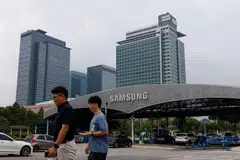


The chip unit’s profit growth contrasts with declines in Samsung’s mobile and displays operations, which are fighting rising materials and components prices.
The profits generated by the AI boom are also prompting Samsung employees to demand a bigger share, with workers threatening an 18-day general strike in May. Last week, more than 30,000 workers gathered outside Samsung’s main chip hub in Korea’s southern city of Pyeongtaek.
Analysts are divided on whether a prolonged stoppage would materially dent chip output or simply create short-term volatility, since Samsung’s operations are highly automated.
“A strike could exacerbate the memory shortage further, potentially driving prices even higher,” said Greg Roh, an analyst with Hyundai Motor Securities. “The bigger worry may be customer confidence, as any sense of instability could be damaging.” BLOOMBERG
Decoding Asia newsletter: your guide to navigating Asia in a new global order. Sign up here to get Decoding Asia newsletter. Delivered to your inbox. Free.
Share with us your feedback on BT's products and services