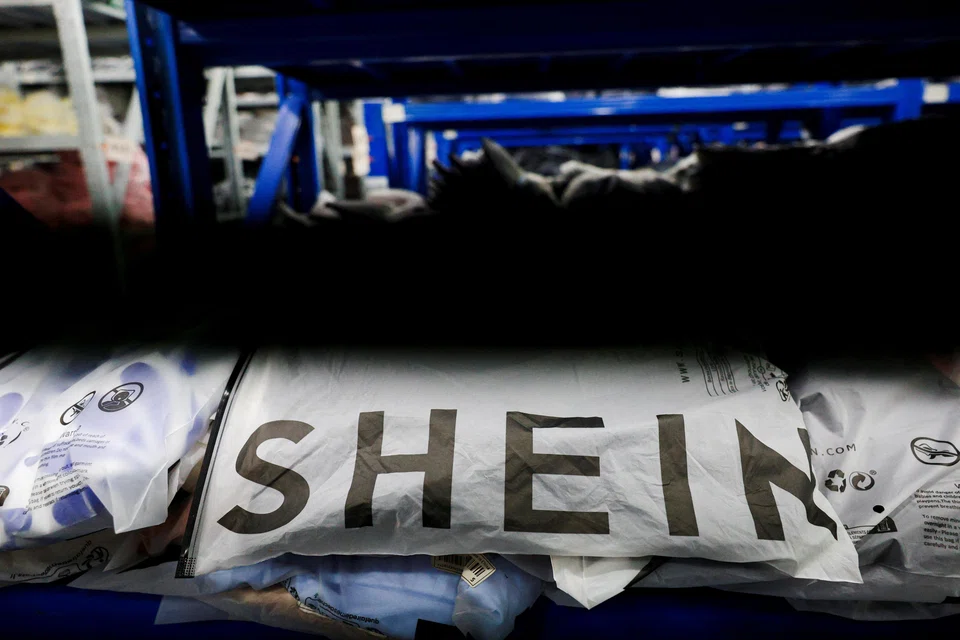
Shein finds there’s no place like China after Vietnam warehouse experiment disappoints
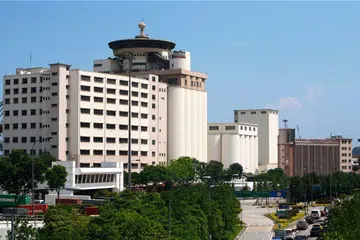
[HANOI/GUANGZHOU] Just over a year ago, Chinese ultra-fast fashion retailer Shein began leasing 15 hectares of warehouse facilities – equivalent in size to 21 football fields – near Ho Chi Minh City, part of a grand experiment to make Vietnam a major export base.
When it was formulating those plans in late 2024, it seemed like a bet that, while risky, was worth making.
US exemptions for duties on small parcels from China that underpinned its business model looked as if they would be abolished, Donald Trump had just been elected US president for a second term and fears of a heightened trade war were soon realised, with US tariffs on many Chinese goods rocketing to 145 per cent by April 2025.
Shein started encouraging its biggest Chinese suppliers to set up manufacturing bases in Vietnam, but things did not go to plan.
Today, IPO-bound Shein, known for selling US$5 tops and US$10 dresses, is drastically scaling back in Vietnam, six people familiar with its operations there said.
At 15 hectares, the bonded logistics hub was the largest of its kind in the country and used to employ thousands. The lease now covers 6 hectares, according to two of the sources. A separate person with direct knowledge of the matter said a third of the originally planned site is in use.
Mass layoffs began in April and more are expected, warehouse workers said, adding that some teams have retained one in four employees, while others lost even more.
During a Reuters visit to the site in late July, only a handful of workers were present and just a few trucks were parked at its warehouses. Nearby warehouses operated by other tenants were bustling with activity.
Shein did not respond to Reuters’ requests for comment.
SEE ALSO




Its sharp U-turn in Vietnam, which has not previously been reported, reflects abrupt changes in US trade policies while underscoring how dependent Shein’s business model is on Chinese suppliers which put up with terms that manufacturers in other countries won’t – a pattern Shein has also seen play out in Brazil.
It also highlights how Shein is hewing more closely to its Chinese roots. Having unsuccessfully sought listings in New York and London and moved its headquarters to Singapore as it expanded globally, the company is now pursuing a Hong Kong IPO while deepening its commitment to its manufacturing base in southern China.
De Minimis pain quite major
The first and biggest hit to Shein’s Vietnam plans was the end of the US de minimis duty-free exemption for shipments under US$800 from all countries, not just China. Trump ordered the move on July 30, 2025, and it took effect a month later, only a few months after the exemption for shipments from China ended.
Then, sky-high US tariffs on Chinese goods gradually came down. Vietnamese apparel is still subject to smaller tariffs than Chinese clothing, but the advantage is no longer as large as it used to be.
A knit polyester dress, for example, imported from either Vietnam or China is subject to a 16 per cent duty, but the Chinese item would be hit with Section 301 tariffs imposed for alleged unfair trade practices that could lift the effective rate to around 33.5 per cent.
Last month, both China and Vietnam were hit with new US tariffs of 12.5 per cent for allegedly failing to prevent imports of goods made with forced labour – a decision that puts Vietnam at a disadvantage to other South-east Asian nations with big apparel sectors and further undermines the case for Shein’s suppliers to set up shop there.
Home base unmatched for speed, low margins
It’s not all about tariffs. Finding Vietnamese workers willing to work long hours for low wages has proven difficult, sources at Shein’s Chinese suppliers say.
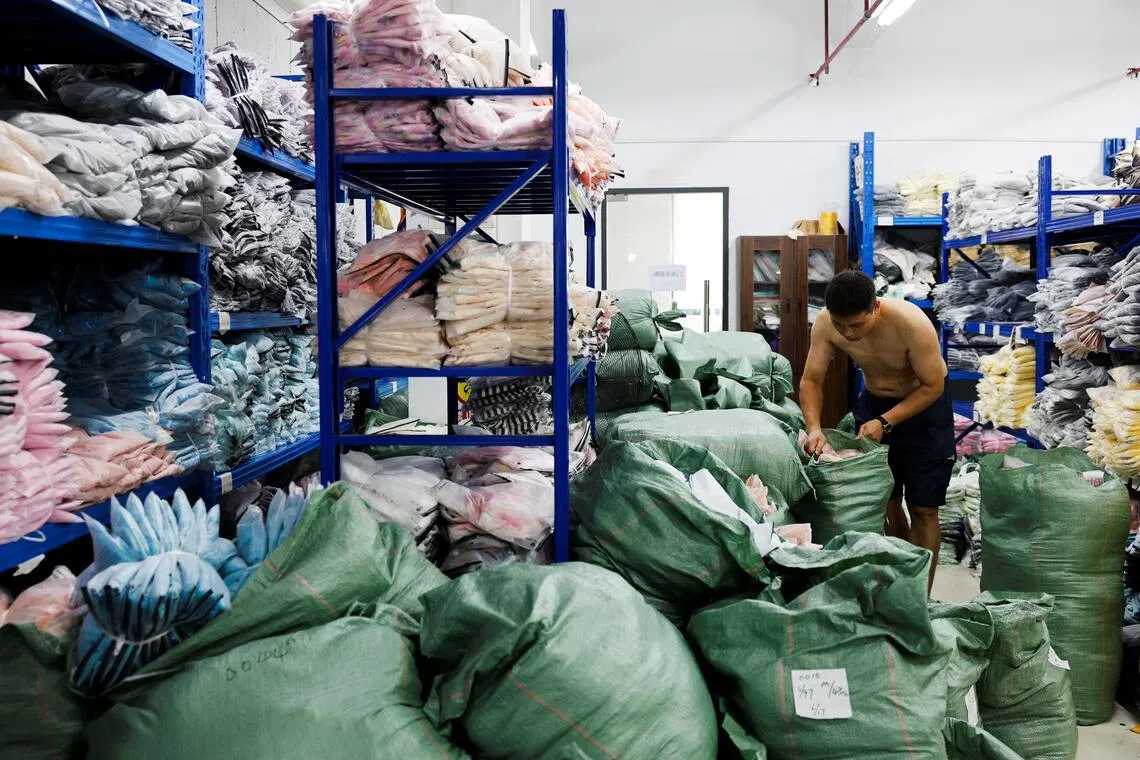
Shein’s vast network of suppliers in China produces millions of styles in small batches at margins of as little as 1 yuan (US$0.15) per piece, with orders fulfilled in days and quickly reordered if the company’s 273 million shoppers take a liking to them.
“Sourcing diversification beyond China has practical limits, especially for companies like Shein whose competitive advantage depends on speed, flexibility, and extremely small production runs,” said Sheng Lu, a professor of fashion and apparel studies at the University of Delaware in the US.
Many suppliers that went to Vietnam have come back, said a factory manager with the surname Wen in Guangzhou’s Panyu district, home to so-called “Shein villages” that comprise thousands of small garment factories.
“They realised that despite the smaller US tariff rate on Vietnamese goods compared to Chinese ones, the low efficiency still makes it less viable than manufacturing in China,” Wen added. He declined to give his full name, saying Shein had warned suppliers not to speak to the media.
Authorities in Guangzhou, keen to protect local jobs, were also not happy with Shein’s efforts to subsidise Chinese manufacturers opening plants in Vietnam, and in mid-2025 warned it against moving orders significantly away from the region, according to a source with direct knowledge of the matter.
The Guangzhou Municipal Commerce Bureau did not respond to a request for comment.
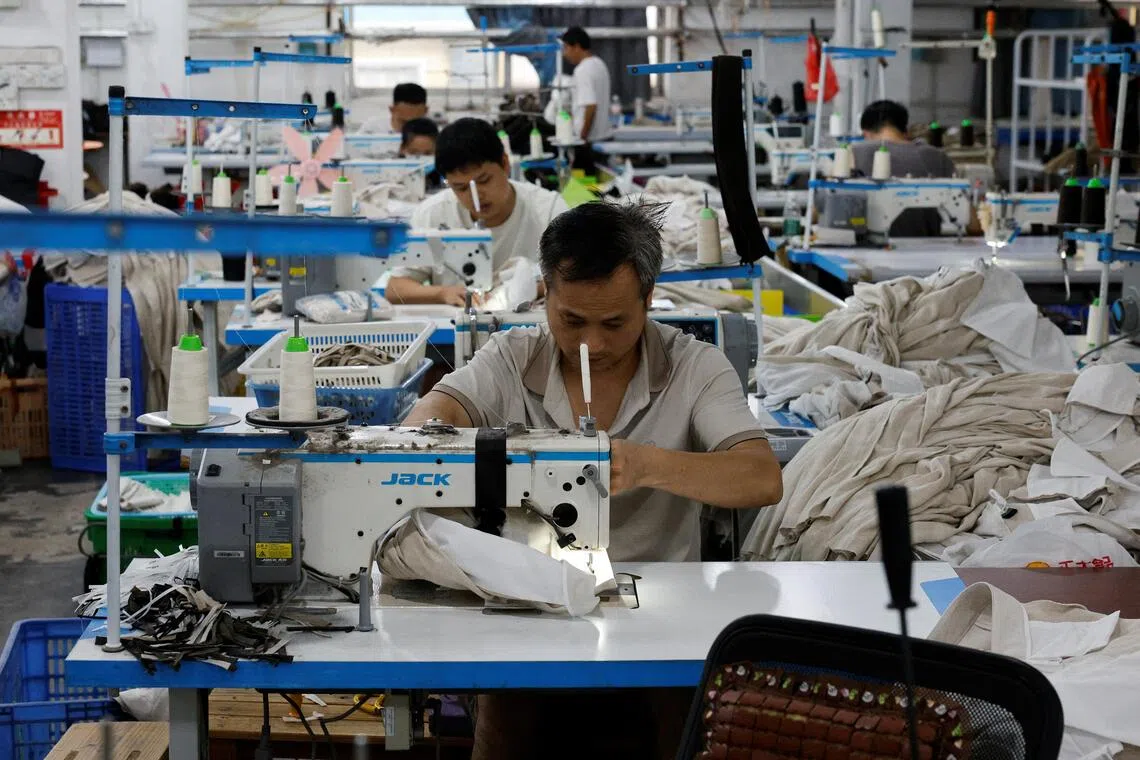
Shein is now investing further in Guangzhou and the broader Guangdong province, with CEO Sky Xu making a rare public appearance in February to pledge spending of over 10 billion yuan on a smart supply-chain system in the region.
Commitment doesn’t go both ways
But while Shein has recommitted to China, some domestic suppliers are not necessarily recommitting back as demand slows. Shein’s draft prospectus showed a 14 per cent slide in US revenue during the first quarter due to the end of the de minimis exemption.
Wen and three other suppliers said orders from Shein were either stagnant or showing only a little growth. Demand is expected to further slow after the European Union last month imposed a 3-euro duty on low-value e-commerce imports.
Ping He, who has worked in operations management for Shein and TikTok Shop, said thousands of Shein’s smaller suppliers have begun supplementing their income by opening stores on PDD Holdings-owned Temu or Amazon.
“Shein is not the prettiest boy in town anymore. There are many more options now,” she said.
Other suppliers are returning to larger orders with longer lead times.
“Shein’s profit margins are just too thin. Their order volumes are quite small, often just dozens of pieces at a time, which makes production a hassle. So we decided to drop them,” said Yang, a manager at Jiang Gong Clothes, a factory in Panyu that worked with Shein until a few months ago. REUTERS
Decoding Asia newsletter: your guide to navigating Asia in a new global order. Sign up here to get Decoding Asia newsletter. Delivered to your inbox. Free.
Share with us your feedback on BT's products and services