

Shein’s slow India restart lays bare limits of billionaire Ambani’s retail might
India’s online fashion and lifestyle segment - projected to reach US$45 billion by 2028 - has become crowded during Shein’s absence
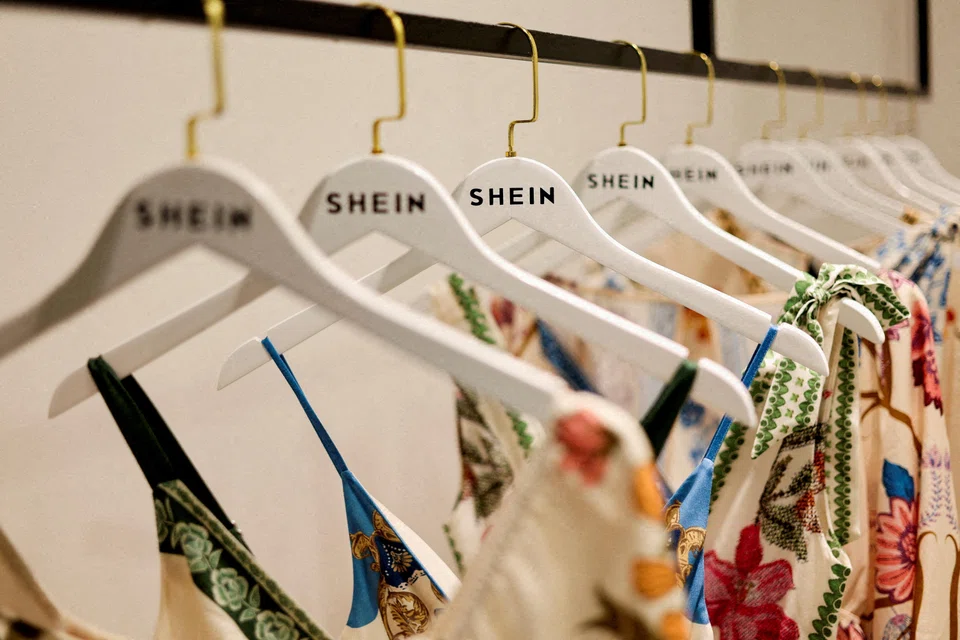
SHEIN Global Holdings’ return to India through a local partner is off to a slow start, due to supply chain snags, leadership uncertainty and a lack of proprietary technology that made the fast-fashion brand a hit.
It relaunched in February 2025, hoping to ride the retail might of Mukesh Ambani’s Reliance Industries, but the venture has struggled to regain its former glory, people familiar with the matter said, speaking on condition of anonymity about private matters.
User adoption remains weak: the app averaged about 6 million monthly active users in October, down from the previous month and broadly unchanged from January levels, according to estimates shared by market intelligence firm Sensor Tower.
By comparison, market leader Myntra, an indirect unit of Walmart, averaged about 100 million monthly active users.
These metrics are a far cry from Shein’s 2017 debut in the country, when it drew hordes of customers looking for trendy clothes and pocket-friendly prices.
It was then among dozens of Chinese apps, including TikTok, that New Delhi banned in 2020 over security concerns. Before the ban, India accounted for 67 per cent of Shein’s monthly active users in 2019, according to Sensor Tower.

The tepid restart is a challenge for Isha Ambani, the Ambani scion who oversees the conglomerate’s consumer business.
Reliance Retail’s stable includes partnerships with a gamut of global brands like Marks & Spencer, Pret A Manger, Hamleys and Sephora, a broad range that risks causing the enterprise to sag under its own weight.
For Shein, the underwhelming India partnership means it cannot lean on the world’s most populous nation for growth as it battles weak demand in Europe and the US, its two biggest markets.


Reliance is in charge of all operations in India, including product selection, marketing and sales, the people said.
As a result, Shein has not shared its proprietary technology that allows the Chinese giant to to spot, design and produce new styles in less than 10 days. Reliance has thus had to build critical processes — from vendor onboarding to production workflows — from scratch, the people said.
Reliance also lacks Shein’s vast manufacturing network in China. It has tapped smaller Indian makers to produce the apparel instead, many of which are not accustomed to producing the Gen-Z focused styles the brand is known for.
Suppliers have had to adjust to unusually specific requirements, resulting in additional training, higher wastage, and longer turnaround times, people familiar said.
Employees have also had to compete internally for funds and management attention, given Reliance Retail’s sprawling collection of businesses and rapidly expanding brand portfolio.
Early leadership churn added to the uncertainty. Former Meta Platforms executive Manish Chopra, who was helping Reliance set up the Shein venture, left the group in 2024 within a year of joining, according to his LinkedIn profile.
Shein and Reliance Retail did not respond to queries from Bloomberg News. Chopra declined to comment.
The broader market has also shifted.
India’s online fashion and lifestyle segment — projected to reach US$45 billion by 2028 — has become crowded during Shein’s absence. Myntra, Tata Group’s Trent, Aditya Birla Fashion and Retail and upstarts like Meesho have broadened their appeal among India’s price-sensitive consumers.
“Shein is reentering a market that is already incredibly competitive,” Kara Lee, senior insights analyst at Sensor Tower said. “There’s just a stronger natural consumer preference toward brands that have been able to exist in that space this entire time.”
Consumer engagement reflects that pivot. Shein users in India spent about four minutes a week on the app over the past two months, below the global average of 6.6 minutes, according to Sensor Tower estimates.
Download trends paint an even bleaker picture: despite a 60 per cent year-on-year increase in advertising spending in September, downloads fell 73 per cent from a year earlier to 790,000. They declined further to 740,000 in the following month.
Even when Shein was among India’s largest advertisers in May, the app barely entered the top 40 on the Apple app store, suggesting diminishing returns on marketing, according to Sensor Tower’s Lee. It was an unranked app in early November.
NextGen Fast Fashion, the Reliance unit operating Shein India, recorded 4.4 million rupees (US$48,136) in revenue for the year ended Mar 31, compared with Reliance Retail’s nearly 3.7 trillion rupees overall.
Stark difference
For shoppers like Sophin Chhettri, a 25-year-old fashion professional in New Delhi, the difference in Shein’s second act in India is stark.
She once turned to Shein for inexpensive jewellery and trinkets with “hip and new designs that you would typically see in the West and on the internet but wasn’t easily accessible in India,” she said. “I’ve not even seen the new site,” she said.
To be sure, Reliance can leverage the strength of its wide-ranging fashion offerings — which includes e-retailer Ajio and apparel store brands such as Reliance Trends — to boost Shein India’s success.
Reliance can benefit if it can bundle all its retail apparel offerings into one umbrella, according to Karan Taurani, analyst at Elara Securities Pvt. “That is one good strategy.”
Globally, Shein has pivoted to markets such as Brazil, the US, and Mexico since the 2020 India ban. India now accounts for just 2 per cent of its audience, according to Sensor Tower data.
Its profit from this market came in at 3.9 million rupees (US$42,282) in the year ended March 2026, compared to global profit of US$2.1 billion in 2025.
Still, Reliance is not giving up. A broader marketing campaign is expected early next year, people familiar said.
“Reliance has always been about dominance through scale and rapid growth,” said Devangshu Dutta, founder of consultancy Third Eyesight. “I don’t think that Shein in its second coming with Reliance has been able to build that yet.” BLOOMBERG
Decoding Asia newsletter: your guide to navigating Asia in a new global order. Sign up here to get Decoding Asia newsletter. Delivered to your inbox. Free.
Share with us your feedback on BT's products and services
TRENDING NOW

LNG, stronger regional power links key to Asean’s energy resilience: Shell

Keppel CEO on telco merger: S$34 million StarHub dividend beats M1’s S$3 million contribution

OCBC opens 100-tonne gold vaulting facility to meet growing institutional demand

As Indonesia picks new vice-president to succeed Gibran, investors see risks and opportunities

