

Telkom looks to unlock value from data centres, invest more in startups
Indonesia telecoms group rides rising wave of demand for income-producing assets.

Singapore
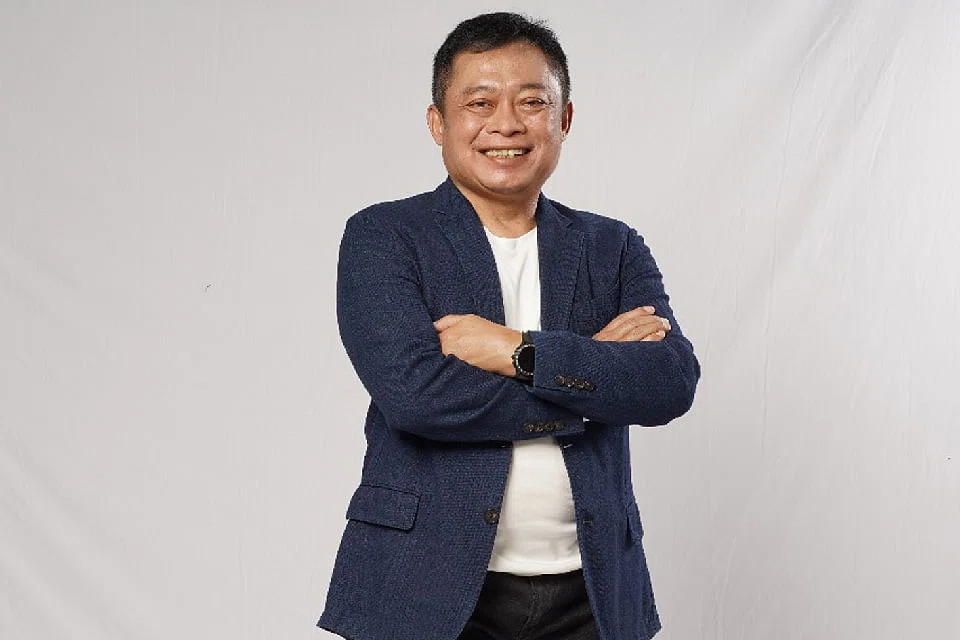
TELECOMS giant Telkom Indonesia is looking at ways to realise the value of its data centre assets even as it invests in the fast-growing startup scene. Telkom is considering an initial public offering (IPO) or private equity investment, possibly in 2023, said chief executive Ririek Adriansyah.
The telco, which is listed in both Indonesia and New York, has already announced plans to spin off its infrastructure and data tower unit Mitratel this year, in an IPO reportedly valuing Mitratel at close to US$1 billion.
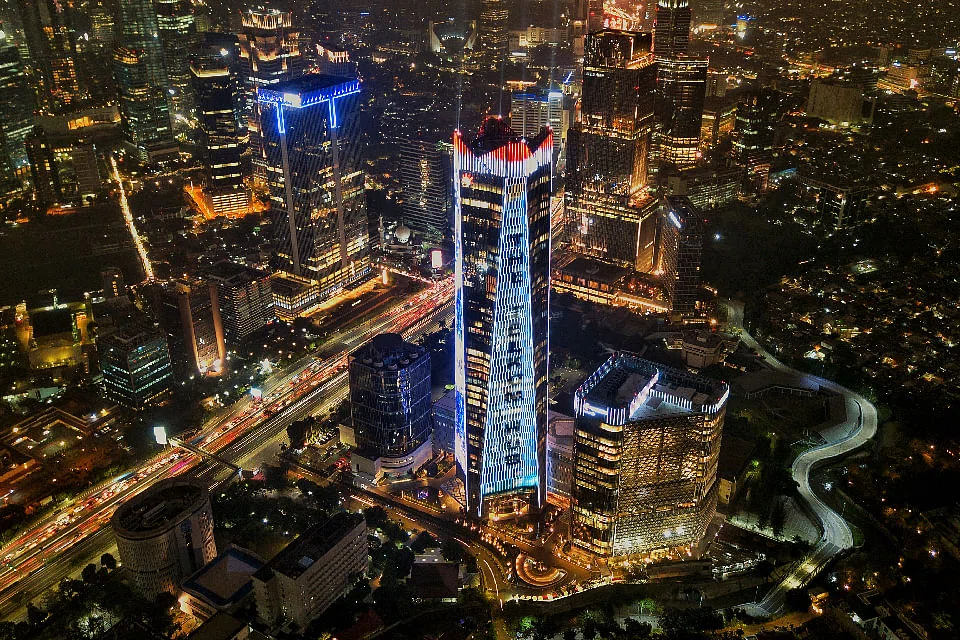
Amid a boom in the market for data centre and cloud infrastructure assets, driven by demand for income-producing investments, Adriansyah said Telkom is also considering carving out its data centre business.
In an interview with The Business Times, Adriansyah pointed out that valuations for data centre assets are even higher than those for telco tower assets.
Data centre businesses are being valued at 25 to 35 times' their earnings before interest, taxes, depreciation and amortisation (Ebitda), he said.
Ahead of the carve-out, Telkom wants to expand its portfolio by first consolidating its data centres to be managed under one entity.
"(We want) to scale up - we need to keep up and explore the potential," said Adriansyah.
Companies are developing proprietary technologies for data centres at a faster pace, driven by specialised needs of businesses that have gone online. Adriansyah said a partnership with one of these companies would bring a competitive edge to Telkom's data centre portfolio and help expand it.
Telkom's data centre portfolio comprises 26 facilities with a total capacity of 43 megawatts. The company is also on track to finish the first stage of its hyperscale data centre near Jakarta by year-end, which will add a capacity of 25 megawatts at first and around 75 megawatts at completion.
In the first-half ended June 2021, revenue from the data centre business increased 11.7 per cent to 713 billion rupiah (S$68.4 million). Telkom is considering Batam, Sulawesi and Kalimantan as bases for new data centres.
Asset boom
Telkom is evaluating long-term monetisation strategies for its non-core assets as retail investor activity increases in Indonesia, stoked by businesses linked to digital economy advancements.
Adriansyah, discussing Mitratel's upcoming IPO, noted the market's hunger for sizeable companies.
The 5G revolution is also helping to create the right conditions for Mitratel's listing, he said.
Mitratel has been boosting its tower portfolio. It owned around 23,000 towers as of June, a 45 per cent year-on-year increase. In August, Mitratel inked an agreement to buy 4,000 towers from Telkomsel for 6.2 million rupiah. Telkomsel, a 65-35 joint venture between Telkom and Singapore's Singtel, concurrently entered into a 10-year lease arrangement for rental of tower space.
Adriansyah expects Mitratel to manage close to 29,000 towers by year-end. The unit booked a 10.9 per cent rise in revenue to 3.2 trillion rupiah in H1; Ebitda margin increased to 76.8 per cent from 69.7 per cent.
Investing in innovators
Beyond one-offs from asset monetisation, Telkom is paying attention to sources of growth. The telco has had its eye on industry disruptors for years. Its subsidiary MDI Ventures, one of the most active corporate venture capital investors in South-east Asia, manages around US$900 million in assets and has invested in over 50 startups in 12 countries.
It also has a track record of exits: three portfolio companies have gone public and six have been acquired by third parties.
The parent of Kredivo, another portfolio company, is merging with a US blank-cheque company at a US$2.5 billion valuation. Singapore-based Nium, also a portfolio company, was recently valued at over US$1 billion.
"Aside from capital gains, we're also looking at potential synergies between the startups and companies within the Telkom group," Adriansyah said. "Now we are expanding the potential synergies to other state-owned enterprises (by facilitating introductions)."
For instance, Telkomsel in May invested an additional US$300 million in ride-hailing and digital services platform Gojek. Telkom sees its partnership with Gojek as a way to access micro-entrepreneurs and small- and medium-sized enterprises (SMEs).
It integrated Telkomsel MyAds with Gojek's SME business platform to let businesses create mobile campaigns for Telkomsel users. It also gave special data packages to drivers and made it easier for Gojek's micro-SME partners to become Telkomsel resellers.
Telkom has tapped Indonesia's vibrant startup ecosystem in other ways. Last year, it snagged Bukalapak co-founder Fajrin Rasyid as director of digital business - a move requested by State-owned Enterprises Minister Erick Thohir.
Digital future
Telkomsel contributed 62.1 per cent of the group's H1 revenue of 69.5 trillion rupiah. While Telkomsel's topline dipped slightly amid a steep decline in the legacy voice and SMS business, its digital business (comprising data and digital services) remains an engine of growth.
Digital business contribution to Telkomsel's total revenue increased to 77.3 per cent from 72.4 per cent. Digital services, though a small part of total revenue, grew 28.1 per cent. The segment comprises digital lifestyle services, advertising and digital enterprise solutions.
Though Telkomsel has seen a healthy growth in its data user base to 117.7 million as of June, revenue hasn't grown in tandem due to an ongoing price war.
"Competition is very tough. Price pressure is still there... so (digital services can help) us differentiate from everybody else," said Adriansyah.
He hopes consolidation in the industry, such as Indosat and Hutch Indonesia's agreement to merge operations, will bring some rationality back to the market.
Overall, Telkom booked a 3.9 per cent growth in group revenue while net profit increased 13.3 per cent to 12.5 trillion rupiah.
Telkom's home Internet broadband service IndiHome was a big revenue driver, climbing 24.2 per cent due to additional subscribers and better average revenue per user (ARPU).
But Adriansyah expects the subscriber growth to slow at some point as not all homes in Indonesia can afford IndiHome, nor is Telkom's infrastructure extensive enough.
The key would be to increase ARPU through upgrades and add-ons, said Adriansyah. IndiHome offers TV channel minipacks and hybrid boxes as add-ons.
"We are also going to be synergising between fibre optic and fixed models. Some of the homes cannot be deployed with fibre, but we can accept them with fixed wireless models by working with Telkomsel. For homes that are further away, we can use satellites."
Investors appear to have taken a liking to Telkom's growth. The Indonesia-listed counter has returned 14.6 per cent year to date with dividends reinvested, beating industry peers XL Axiata (12.7 per cent), Indosat (12.1 per cent) and Singtel (9.8 per cent).
Shares of Telkom closed at 3,810 rupiah last Friday, 14 times its earnings.






