TSMC’s profit surges 58% on AI-driven chip demand
The Taiwanese chipmaker makes the vast majority of the world’s most advanced semiconductors
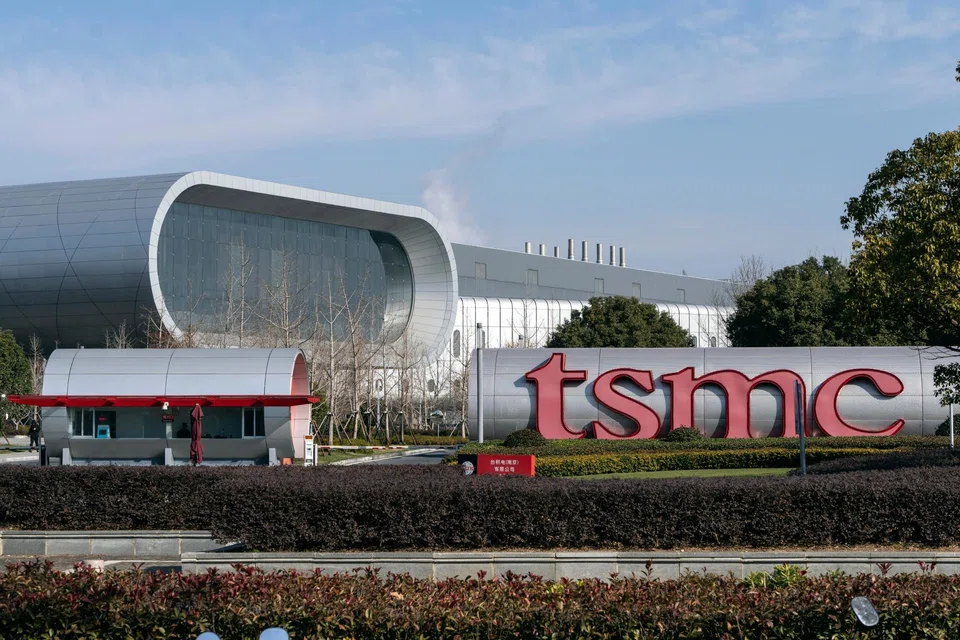
[TAIPEI] Taiwan Semiconductor Manufacturing Company (TSMC) booked a 58 per cent surge in profit, a sign that the Middle East war in its first few weeks did not depress booming artificial intelligence investment.
The main chipmaker to Nvidia and Apple reported net income for the March quarter of NT$572.5 billion (S$23 billion), versus the average analysts’ projection of NT$542.4 billion. TSMC this month posted a better-than-anticipated 35 per cent jump in revenue.
The results may help quell concerns that a prolonged crisis in the Middle East will dampen demand for power-hungry AI data centres and gadgets such as the iPhone. The war has put pressure on global shipping routes and energy prices, and investors are looking for clues as to whether its impact will spread to tech giants’ spending plans.
TSMC and its top customers, such as Nvidia, face increasing scepticism they can keep growing at current rates, despite pledges from Alphabet, Amazon.com, Meta Platforms and Microsoft to allocate US$650 billion for AI expenditures this year.
After explosive sales turned Nvidia into the world’s most valuable company and TSMC the biggest company in Asia, investors are seeking assurances that booming AI spending can be maintained.
There is also speculation that a prolonged crisis in the Middle East could disrupt supplies of critical chipmaking components and gases such as helium. Equipment supply constraints may also cap growth for the US$1 trillion chip industry, as the likes of ASML Holding cannot add capacity fast enough to satisfy demand for cutting-edge machines from customers, including TSMC.
TSMC, which makes the vast majority of the world’s most advanced semiconductors, is a primary beneficiary of a global race to build AI infrastructure, given it’s a central partner to Nvidia, Advanced Micro Devices and Broadcom. Its shares have gained about 30 per cent this year, outperforming its major customers.
It’s also grappling with concerns that a persistent crunch of memory chips, a component that TSMC does not make, will shrink the global smartphone market for the first time since 2023. The Taiwanese chipmaker said at the beginning of 2026 that it supplies mostly high-end smartphones, which still saw strong demand and remain less sensitive to a price hike in storage components.
As chips become a strategic asset for countries and companies pursuing AI, TSMC also faces new challengers trying to enter the white-hot field.
Elon Musk is moving ahead with his ambitious Terafab project to make chips for the billionaire’s ventures, including Tesla, SpaceX and xAI, while Tokyo is backing Rapidus in the hope that the startup can start to produce cutting-edge chips in 2027. BLOOMBERG
Decoding Asia newsletter: your guide to navigating Asia in a new global order. Sign up here to get Decoding Asia newsletter. Delivered to your inbox. Free.
Share with us your feedback on BT's products and services