

Telcos need to step up to keep up

Annabeth Leow
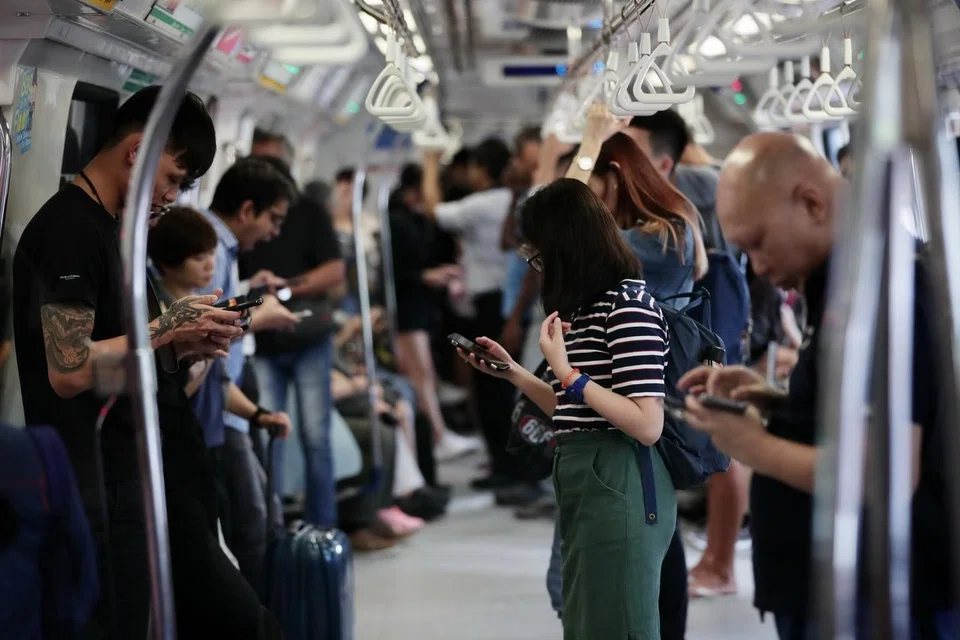
THE Covid-19 outbreak is keeping mobile subscribers home and quashing their spending power. But new 5G technology should give telcos an opportunity to rebuild their revenues.
The mobile market has faced significant setbacks, and was on a downward jag even before the pandemic.
Mobile virtual network operators (MVNOs), which lease capacity from incumbents, had crowded the market and spurred a brutal price war. Meanwhile, handset sales suffered from a slowdown in upgrading and an exodus to lower-margin SIM-only plans.
Singtel chairman Simon Israel put it bluntly in an annual report released on Wednesday: "In our consumer business, competition has driven up data allowances, blunting the ability to monetise data growth... Given the financial stress experienced by consumers and businesses in a Covid-19 world, we expect this shift to value to become more pronounced."
StarHub chief executive Peter Kaliaropoulos had sounded similar warnings in May, telling analysts and media on an earnings call that SIM-only growth would continue for a couple more quarters while "budget-conscious" subscribers would choose not to upgrade their devices immediately.
Telcos are in a similar situation all around the world.
T-Mobile noted in its first-quarter statements that the pandemic could weigh on net line additions, "due to reduced demand from social distancing rules, retail store closures and reduced consumer spending caused by widespread unemployment and other adverse economic effects".
The good news, however, is that subscribers may be less prone to prowling around for deals: T-Mobile also said that lower retail activity could push down its churn rates.
And, in Singapore at least, a virus-fuelled cash crunch could force smaller MVNOs out of the market and alleviate some of the pricing pressure.
MVNOs had sought to lure consumers with generous mobile data allowances at impossibly low prices. But fewer people are on the go now.
Francesco Rizzato, principal technical analyst at mobile data consultancy Opensignal, told The Business Times that Singapore smartphone users consumed 16 per cent less mobile data in April on average than in the month before.
Although the telcos are doing more enterprise business than ever, as they invest in new segments such as cyber security, the mobile arm remains a core revenue driver.
Singtel's Singapore mobile revenue, including handset sales, came to S$2.31 billion in the 12 months to March 31. Its Australia mobile revenue was A$5.69 billion (S$5.48 billion). Together, that was almost half of the group's full-year operating revenue.
The rollout of 5G wireless technology from next year, therefore, represents an important opportunity to boost the mobile business.
"This licence is also very timely in light of Covid-19 and the ensuing reliance on robust infrastructure and connectivity," said Singtel's chief executive Chua Sock Koong in a press release after the telco received confirmation of its 5G spectrum award.
A Singapore Exchange My Gateway report on Tuesday said that "5G enablers and beneficiaries have recently outpaced broader telecommunication stocks".
The iEdge-Factset Global 5G Index, which comprises global securities that are either enablers or beneficiaries of 5G networks, gained 7 per cent in the year to June 29. The average performance of global telecom stocks, on the other hand, was -1 per cent.
Management consultancy Bain has divided 20 regional telcos - across Singapore, Malaysia, Thailand, the Philippines, Indonesia, Vietnam and India - into three buckets based on their Covid-19 business response. Those dubbed "pillars" had stable connectivity and proactive outreach to customers, while the "commodities" had steady network service but often copied rivals' offers. As for "unreliables", the name is self-explanatory.
Clearly investors will want to look out for the pillars, and pay attention to the strategies of the local telcos.
READ MORE: Singtel lays out 5G strategy in annual report; Bharti Airtel plans sale of 25% stake in data centres
TRENDING NOW

What role can Japan play in Asean’s future?

IOI Properties and CapitaLand Investment closer to acquiring One Raffles Place in joint bid
AI bubble may burst soon amid financing concentration, rising rates: Ray Dalio

OCBC sheds S$8 billion in value as shares close nearly 6% down; analysts cautious on banks

