

Tencent inks first deal for carbon-removal credits outside China
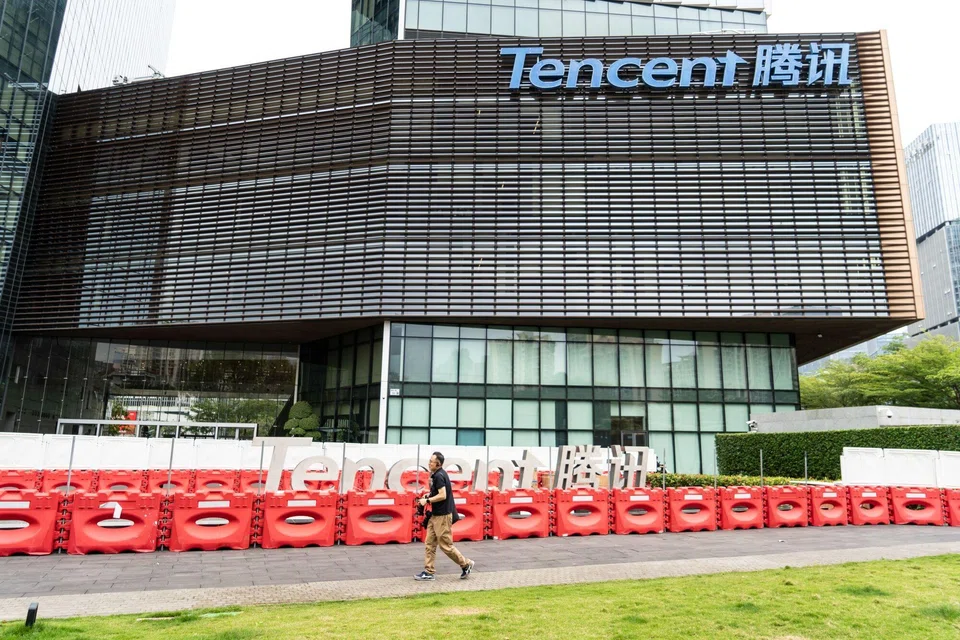
[BEIJING] Tencent Holdings will buy 300,000 carbon removal credits from an agroforestry project in Indonesia, marking the first deal of its kind for the Chinese technology firm outside its domestic market.
Tencent has entered a 10-year agreement with Singapore-based carbon developer Thryve.Earth to purchase credits generated from a project on the island of Sulawesi, it said on Wednesday (Jul 8). Alphabet’s Google struck a separate 10-year offtake deal for 260,000 credits from the same project, while consulting firm McKinsey agreed to buy 75,000. The average price for agroforestry credits in Asia is currently around US$21.40, according to carbon data company Sylvera.
Carbon removal will play a key role in Tencent’s commitment to achieve carbon neutrality in its own operations and supply chain by 2030, a company spokesperson said by email. While reducing emissions remains the top priority, high-quality carbon credits can help address residual emissions and deliver climate impacts, the spokesperson said.
Agroforestry projects, which combine agriculture with removing carbon by planting or increasing forest cover, have the potential to deliver up to 310 million tons of carbon-dioxide removal annually and could play an important role in efforts to limit global warming. The willingness of corporate buyers to keep doing such deals offers a counterpoint to news earlier this year that Microsoft Corp was pulling back.
The Thryve.Earth project will restore degraded land in Sulawesi, an island in the centre of the Indonesian archipelago on which tropical rainforests have been destroyed by agriculture, soil erosion and invasive species. The idea is to develop a “mixed crop farming system” that sequesters carbon, replenishes soils, increases biodiversity and provides income for local farmers.
The project envisages an upper tree canopy of sugar palm plants and timber trees, a mid-layer of papayas, avocado, coffee, and bananas, and ground-level annual crops such as chilli and corn. The layers are intended to optimise land productivity and provide income streams that are “significantly more valuable than the carbon revenues alone, aligning carbon sequestration benefits with economic incentives,” Thryve.Earth said.
Vinay Kulkarni, the company’s co-founder and CEO, said “nature-related work, be it conservation, be it restoration, needs to happen at a whole different scale than what we are currently operating on now.”
Tencent is among the founding members of Action for a Resilient Climate Coalition, an initiative intended to bolster corporate demand for high-quality carbon credits. The tech company supports the full spectrum of carbon removal types, from nature-based projects that restore ecosystems to technology-based approaches, such as direct air capture.
Google and McKinsey made their commitments to offtake carbon removals via the Symbiosis Coalition, a buyers’ group for nature-based carbon that also includes Meta Platforms and Microsoft. The coalition is aiming for collective purchases of 20 million tons of high-quality nature restoration carbon credits by 2030.
Symbiosis identifies potential projects for its members, conducts due diligence and facilitates the structuring of offtake agreements, according to its executive director Julia Strong.
For Google, the Thryve.Earth deal represents its largest carbon removal offtake agreement to-date and comes on the heels of its participation in a new US$915 million commitment for carbon dioxide removal technologies. With the Sulawesi project, Google now boasts a portfolio of over 1.6 million tons of carbon dioxide removal credits, said Randy Spock, Google’s head of carbon credits and removals.
“Even as we work to reduce our emissions as much as is feasible, we know there will be remaining emissions in our footprint,” Spock said. “That same dynamic applies to the planet, which will increasingly need solutions over and above decarbonisation to remediate the atmosphere. That’s why we support a wide variety of projects around the world designed to counterbalance the warming impact of our remaining emissions.”
The Sulawesi transaction comes less than a year after the Indonesian government lifted a moratorium it imposed in 2021 to block sales of new carbon credits to foreign buyers. BLOOMBERG
Decoding Asia newsletter: your guide to navigating Asia in a new global order. Sign up here to get Decoding Asia newsletter. Delivered to your inbox. Free.
Share with us your feedback on BT's products and services
TRENDING NOW

High Court rules against Julius Baer’s Singapore trust arm in US$50 million family trust dispute

MSCI proposes standalone status for Indonesia; Jakarta stocks plunge 8%

Once staunchly pro-China, Malaysian Chinese businesses are now distancing themselves from Beijing

No chicken feed: How Malayan Flour Mills built an empire from flour to fowl

