Tencent plans Valorant gaming league in post-crackdown revival
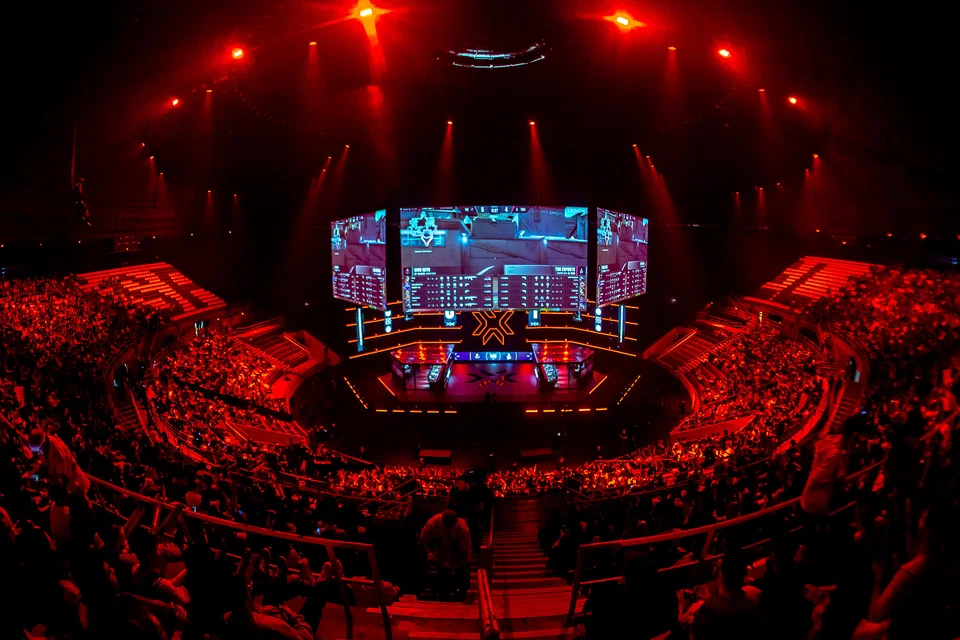
TENCENT Holdings is planning to launch a Valorant esports league when the hit shooter title debuts in China this year, one of the strongest signs yet that the country’s Internet giants are getting back to business after a two-year industry crackdown.
Tencent unit TJ Sports has held discussions with top Chinese esports players in recent days about setting up the competition, people familiar with the matter said. It could kick off a tournament over the summer at the earliest as Tencent rolls out the game domestically, one of the people said, asking to not be identified discussing private information.
Talks are in their initial stages and Tencent could push back its timeline, the people said. But a Valorant league will help reboot competitive online gaming in China after a two-year lull, when pandemic restrictions and Beijing’s clampdown on youth addiction chilled the world’s largest gaming arena.
Launched globally in 2020, Valorant has grown to become one of the most popular esports titles, vying for a multibillion-US dollar market along with rival shooters like Blizzard’s Overwatch. Tencent won approval to roll out the title only in December, in what investors took as a sign that the government was preparing to relax its grip on the sector.
A Tencent representative said in a message the company was making preparations related to Valorant and hadn’t confirmed a launch date for the game.
A Valorant extravaganza would add to Tencent’s roster of Chinese competitive leagues, spanning genres from battle arenas to racing and first-person shooters. Tencent set up TJ Sports with US subsidiary Riot Games in 2019 to helm League of Legends contests. Another unit runs tournaments based on Honor of Kings, Tencent’s long-running mobile cash-cow.
Valorant, along with the potential esports festivities, will help Tencent bolster a business crippled by stricter online content scrutiny. Growth for the WeChat operator has all but evaporated since 2021, when regulators began to establish curbs on everything from gaming time to undesirable content.
In December, the Chinese social media giant secured a green-light for a clutch of major releases including Valorant and Pokémon Unite, reinforcing hopes China is easing a two-year crackdown on Big Tech. Valorant in particular attracted attention because Beijing had in the past signalled its disapproval of violent shooting games with perceived Western cultural overtones. Tencent was forced to replace PUBG, for instance, with a less gory alternative named PeaceKeeper Elite that also came with political slogans.
The company has invested billions of US dollars in talent agencies, streaming sites and tournament organisers to create the infrastructure necessary to turn pro gaming from a niche into an instrumental part of its growth strategy.
The League of Legends Pro League in China – operated by TJ – is the world’s largest esports league in terms of partnered teams and viewership. The Shanghai-based outfit has generated roughly US$150 million in revenue in its first two years by selling media rights, tickets and merchandise.
Outside China, Riot itself organizes three Valorant international leagues with a collective 30 teams in places like Los Angeles, Seoul and Berlin. BLOOMBERG
Decoding Asia newsletter: your guide to navigating Asia in a new global order. Sign up here to get Decoding Asia newsletter. Delivered to your inbox. Free.
Share with us your feedback on BT's products and services