

Tesla to use iron-based batteries in Semi electric trucks and affordable electric car
 Add BT as a preferred source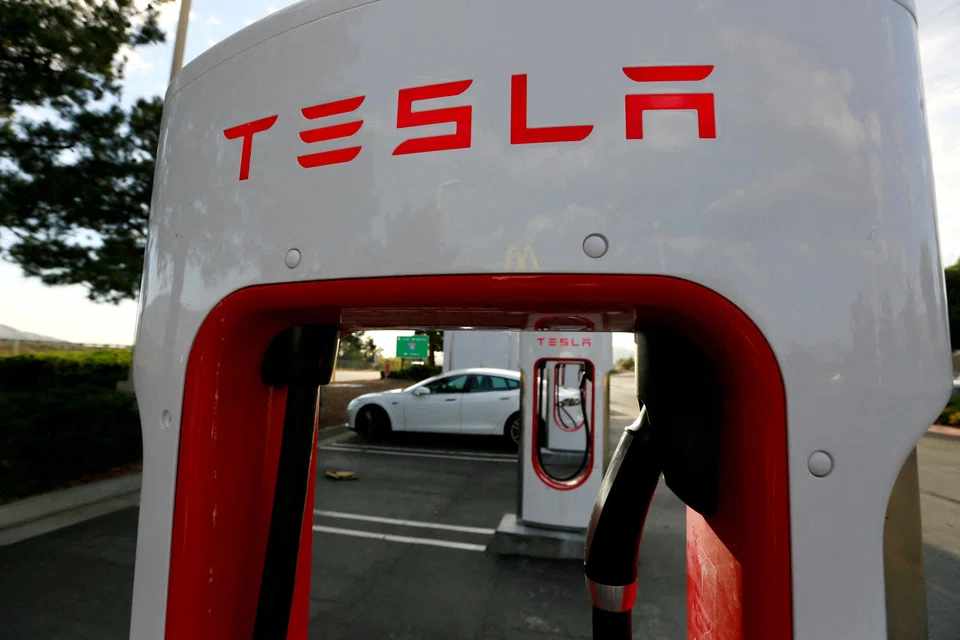
TESLA said it plans to expand the use of cheaper, iron-based batteries to a version of its Semi heavy electric trucks and an affordable electric vehicle.
Tesla chief executive Elon Musk has championed on the lithium iron phosphate (LFP) battery technology dominated by Chinese suppliers, saying in March, “the vast majority of the heavy lifting for electrification will be iron-based cells.”
But having Chinese suppliers build battery factories in the Unites States is a challenge because of the US-China political tensions.
The world’s biggest electric carmaker said in its paper on “Master Plan Part 3” released on Wednesday (Apr 5) that it will use LFP batteries for “short-range” heavy electric trucks, which it calls “Semi Light”, without providing details such as a launching date.
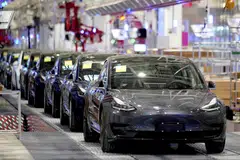
Tesla last December started to deliver its Semi electric trucks with a longer, 805 km driving range per charge and which use nickel-based batteries. Tesla has previously said it will also launch a 483 km range version.
The automaker said its proposed small electric vehicles will use LFP batteries with capacity of 53 kilowatt-hours (kWh), versus 75 kWh for Model Y and Model 3.
Tesla said last month that it will cut assembly costs by half in future generations of cars, which will be built at its factories in Mexico and elsewhere.
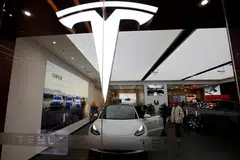
Tesla said it will also use LFP batteries in its mid-sized vehicles, Model 3 and Model Y, without giving a timeline.
Currently, Tesla uses nickel-based batteries for most of its Model 3 and Model Y vehicles sold in the United States.
Musk and other LFP advocates cited the abundance and cheaper prices of iron as a key factor outweighing the drawbacks that have held back the adoption of LFP cells globally. They are bigger and heavier, and generally hold less energy than nickel-based cells, giving them a shorter range.
LFP cells also tend to pose less of a fire risk than nickel-based cells.
Tesla currently sources LFP batteries from China’s Contemporary Amperex Technology, which does not have a factory in the United States. Tesla’s South Korean supplier, LG Energy Solution, said it plans to build LFP batteries at its proposed Arizona factory. REUTERS
Decoding Asia newsletter: your guide to navigating Asia in a new global order. Sign up here to get Decoding Asia newsletter. Delivered to your inbox. Free.
Share with us your feedback on BT's products and services
TRENDING NOW

Employers want AI-fluent employees. Hiring them is the challenge
Early payout from Philippines’ Maharlika Investment Fund raises eyebrows over its true nature
SpaceX, Unitree, Anthropic, OpenAI: Is the ultra-hyped tech-listing wave backed by sound fundamentals?
Changes to EV incentives, uncertainty over COE framework drive Category A premium to a new high in ‘re-run of 2025 mania’

