The importance of insolvency mediation
Creditors willing to open a communication channel with debtors will do better than litigating for the last penny
IT started as a humble dry-goods store and cotton trader founded by Jewish immigrants in Alabama, and grew so quickly within three decades of founding that it had the wherewithal to help finance the state's post-Civil War reconstruction. In modern times, it was better known for being the fourth largest investment bank in the United States. But Lehman Brothers, 158 years old when it spectacularly collapsed in 2008, gained most notoriety for its pivotal role in the unfolding of the global financial crisis.
The Lehman Brothers insolvency is still the largest in US history, with a staggering US$768 billion debt owed against US$639 billion assets owned at that time. Despite that deficit, hundreds of unsecured creditors (those whose debts are not guaranteed by assets) were repaid between 20 and 40 cents per dollar of debt - versus the norm of a few cents per dollar.
The answer was insolvency mediation. The US Bankruptcy Court permitted Lehman Brothers to undergo non-binding mediation with its creditors, which allowed the firm to collect on debts owed in order to repay some unsecured debtors.
Sadly, the fact that Lehman Brothers had successfully mediated through some difficult times in insolvency still remains obscure even after more than a decade. The procedure continues to be neglected when resolving such disputes.
Understandably, creditors want all their money back - so their first line of attack is often to sue. But if the debtor is distressed, creditors are unlikely to be made whole unless their debt was secured by an asset or guarantee of higher value than the debt.
Creditors should first ask: "How do I make sure I am repaid (almost) every penny even when the company is in trouble?"
What is mediation?
While mediation bears different meanings across jurisdictions and cultures, its common feature is the lack of authority. A third-party individual is chosen to conciliate differences, aiming for a win-win outcome. The mediator eschews finding fault, encouraging the parties to look beyond their quarrels and focus on a compromise. Insolvency mediation can also be done without a designated or formal mediator. It is not necessary to take someone to court to get a resolution - a negotiated settlement can serve the same purpose.
This is illustrated in another mediation success story: Pacific International Lines (PIL), which this year restructured US$3.3 billion in debt by convincing key lenders to suspend loan and interest payments. It avoided increased tension from a court-granted moratorium.
PIL achieved a record turnaround time of just a few months. Compare that with the long periods of unsuccessful court-ordered moratoriums "enjoyed" by the likes of Hyflux and Hin Leong Trading, which led to these companies being wound up.
Advantages of mediation
Mediation saves "face". Neither party has to admit wrongdoing and any resolution, facilitated by the mediator who points out the matter's pros and cons, is determined without fault. Parties avoid burning bridges.
Insolvency mediation is also unique in that parties often agree that the debt is payable. That could mean that the quantum is not disputed. The issue is cashflow. If parties are open to negotiating repayment, creditors may achieve almost full repayment by accepting cash alternatives.
If creditors refuse to offer any lifeline, the debtor may be forced to wind up its business or seek insolvency protection. Suing the debtor for the unsecured sums owed is just throwing good money after bad.
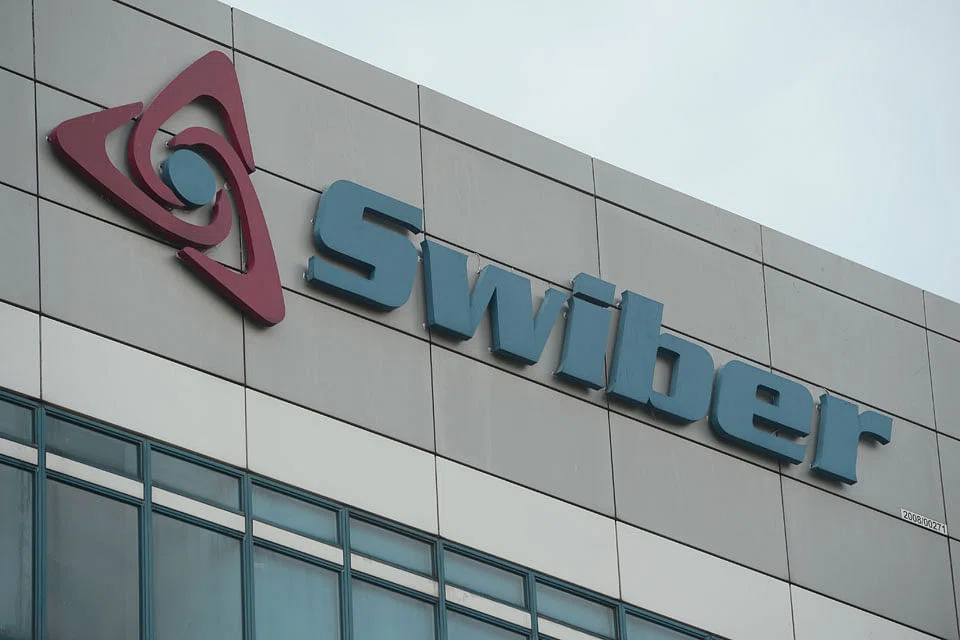
An example close to home is that of mainboard-listed Swiber Holdings. The oil and gas company commenced its restructuring under bankruptcy protection from October 2016. Since then, Swiber's restructuring proposals included various plans to keep the group afloat with new business ideas. With the support of creditors, its restructuring proposals remain open for discussion and the bankruptcy protection is valid till Dec 30, 2021.
Why have people held back from insolvency mediation?
Insolvency laws protect all creditors by allowing clawbacks of payments made by debtors within a certain number of years before the company went insolvent, if such payments are deemed unfair to some creditors. Examples of such payments are those made to persons connected to the company, made at an undervalue, or preferring the recipient.
Such laws may cause some creditors to shy from mediation as they fear their negotiated settlements may run afoul of these laws. But while reversals based on look-back periods are real, they are ringfenced by questions that examine whether payments are unfair. Most genuine transactions will not be affected.
Who benefits from insolvency mediation?
Banks, financial institutions, hedge funds and other institutional creditors have nothing to lose from voluntary insolvency mediation. Secured creditors whose debts are backed by fixed charges over valuable assets and hence feel confident in their recovery probability, should still remain open to mediation.
The ongoing Hin Leong Group saga demonstrates how even financial institutions such as HSBC and Rabobank may have their rights affected by fraud, sham or reliance on duplicated cargo documents. Such creditors, even with security documents in hand, are facing competing claims over the same asset and ought to be open to mediation.
Unsecured creditors, as in the Lehman Brothers case, have nothing to lose as they are the last to be paid. The going rate of debt recovery in Singapore for unsecured creditors is only a single-digit or low two-digit percentage. Mediation improves their chances and quantum of recovery.
Why insolvency mediation is important
The anticipated surge in global insolvencies did not materialise in 2020 or early 2021, despite the sharp drop in gross domestic product. This is mainly due to government support measures in many countries. But as these measures are phased out, zombie businesses will be taken off life support. Corporate insolvencies worldwide are forecasted to increase 26 per cent in 2021, according to trade credit insurance and debt collections company Atradius.
In this landscape, insolvency mediation deserves more awareness. The Singapore (Mediation) Convention was open to all United Nations states for signature in 2019. Since then, 54 states have signed it. It was given effect in Singapore on Sept 12, 2020. This was in addition to the Mediation Act 2017, which enables the recording of mediated settlement agreements as orders of court.
The Singapore Convention enhances the enforceability of cross-border, multi-party mediated settlements relating to commercial disputes. Such cross-border enforceability is vital with the rise of group corporate distress. It also enhances Singapore's attractiveness as an insolvency mediation hub, because multinational corporations often forum-shop when deciding where to first seek bankruptcy protection.
Businesses, lenders and other creditors without a fail-safe security over a valuable realisable asset should always consider insolvency mediation as an option. After all, a bird in hand is worth two in the bush.
- The writer is a litigation partner at TSMP Law Corporation. TSMP has acted for creditors and/or third parties in the Pacific International Lines, Hyflux and Hin Leong Trading matters.